

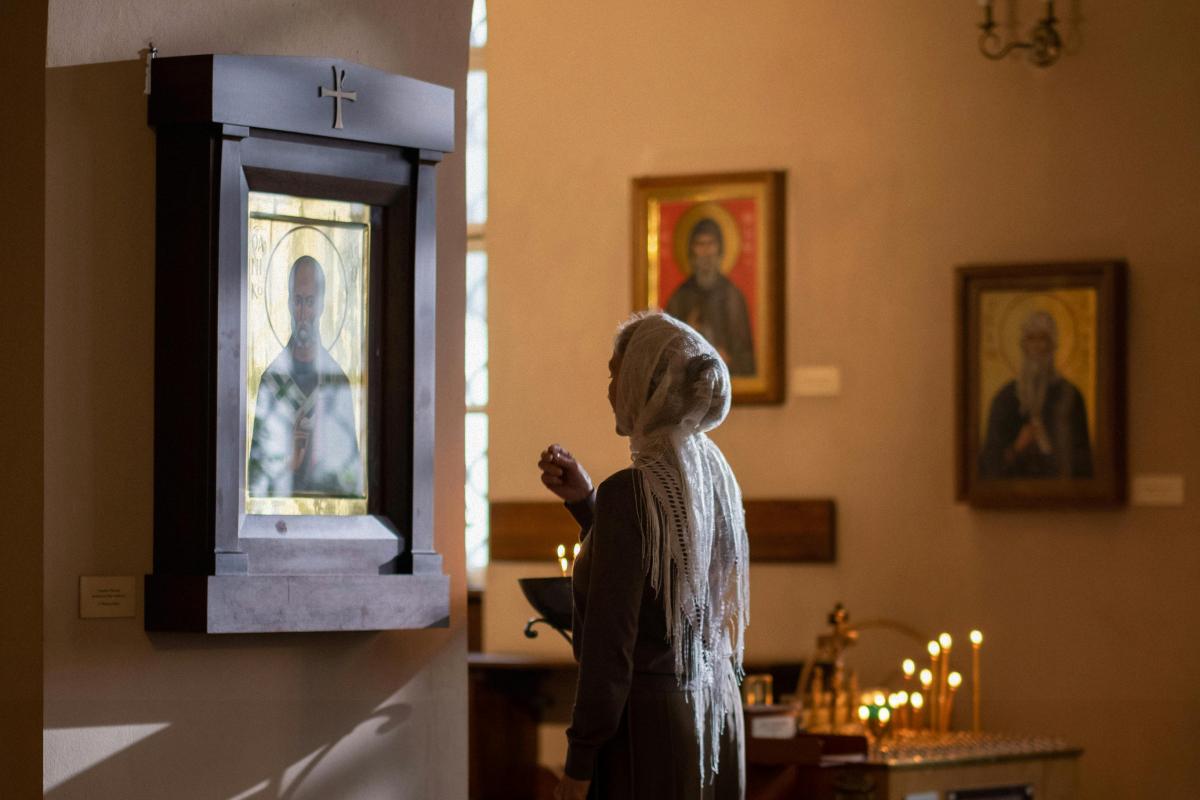
Ukrainian Orthodox believers who follow the new church calendar marked September 12, 2026, as the post-feast day closing the celebrations of the Nativity of the Virgin Mary, one of the year's major feasts dedicated to the Mother of God.
The same day honors the memory of Hieromartyr Autonomos, a bishop whose life is remembered as an example of steadfastness in faith.
Who was Hieromartyr Autonomos
Autonomos lived during the reign of the pagan Emperor Diocletian and served as bishop in the city of Praeneste. When persecution of Christians began, he was forced into hiding in another settlement, staying with a local resident named Cornelius. There he preached, converted many residents to the faith and built a church dedicated to the Archangel Michael. His missionary work continued, and in one village his preaching led to the destruction of a pagan temple. Angered priests killed him during a church service. Sixty years later his relics were found incorrupt, and a church was built in his honor.
On the post-feast day, churches hold festive services, and believers thank the Virgin Mary for her help and ask for her intercession. Tradition holds that doing a good deed on this day is worthwhile, since according to folk belief it will be repaid many times over.
The holiday on the old church calendar
Those who follow the old church calendar mark September 12 as the day honoring the saints Alexander, John the Faster and Paul the New, patriarchs of Constantinople.
Artamon the snake day: what not to do
In folk tradition, September 12 became known as Artamon-zmiyevyk, or Artamon the snake day, a popular reworking of the name Autonomos. The day is said to symbolize the definitive arrival of autumn, since it is believed to be the time when snakes leave the fields and retreat into the forests for winter.
Tradition recommends spending the day calmly and with clear thoughts, postponing heavy work and household chores where possible, and showing kindness, not only to relatives and friends but also to strangers.
The church warns, as always, against quarrels, bad language, envy and malice. Refusing to help those in need is considered wrong, and good deeds carried out on this day are seen as especially valuable, since leaving the poor and destitute unattended is regarded as a sin that will be answered for.
Folk tradition advises against heavy physical labor and cleaning the house, since sweeping is said to risk sweeping happiness and luck out of the home along with the dirt.
Beliefs about snakes hold a special place among the day's prohibitions. People are advised not to go into the forest so as not to accidentally encounter one, and killing a snake is strictly forbidden, said to bring misfortune, illness and discord to the family.
Sharing bread on this day is also discouraged, since it is believed to lead to poverty, and accepting gifts from strangers is avoided too, out of a belief that they can carry someone else's negativity or illness along with them.
What the day's weather omens predict
Folk omens observed on this day are said to hint at what autumn, winter and the harvest will bring.

- clear weather is expected to hold for a few more days
- rain falling on the day is said to mean a cold and snowy winter
- thunder on Artamon's day is taken as a sign of a warm and sunny autumn
- a large number of acorns on oak trees is said to point to a plentiful harvest next year
- large numbers of snakes or mice are also taken as a sign of a harsh winter to come
If a great deal of leaves have already fallen from oak and birch trees, folk belief holds that winter will arrive early and be mild.
Who celebrates their name day
Name days on September 12, or September 25 on the old calendar, are marked by those called Ivan, Afanasii, Danylo, Fedir, Mykola, Yulian and Oleksii.
People born on this day are said to be natural team players who enjoy large gatherings, love helping others and giving useful advice. Folk belief holds that when they criticize relatives or friends, they can sometimes unintentionally hurt them, though this is said to come not from ill intent but from the best of motives.


