Dr Sergi Querol, director of Spain's Bone Marrow Donor Registry, has called for younger and more diverse donors despite 14,000 new registrations in early 2026.
The 9 percent increase in donor registrations during the first six months of the year enabled 443 bone marrow transplants to be carried out across Spain, an 11 percent rise compared to the same period in 2025.
Patients suffering from life threatening blood diseases such as leukaemia or lymphoma rely on voluntary donors for their recovery when no compatible family member is available.
The registry, known as Redmo, is managed by the Josep Carreras International Foundation in direct coordination with Spain's National Transplant Organisation (ONT).
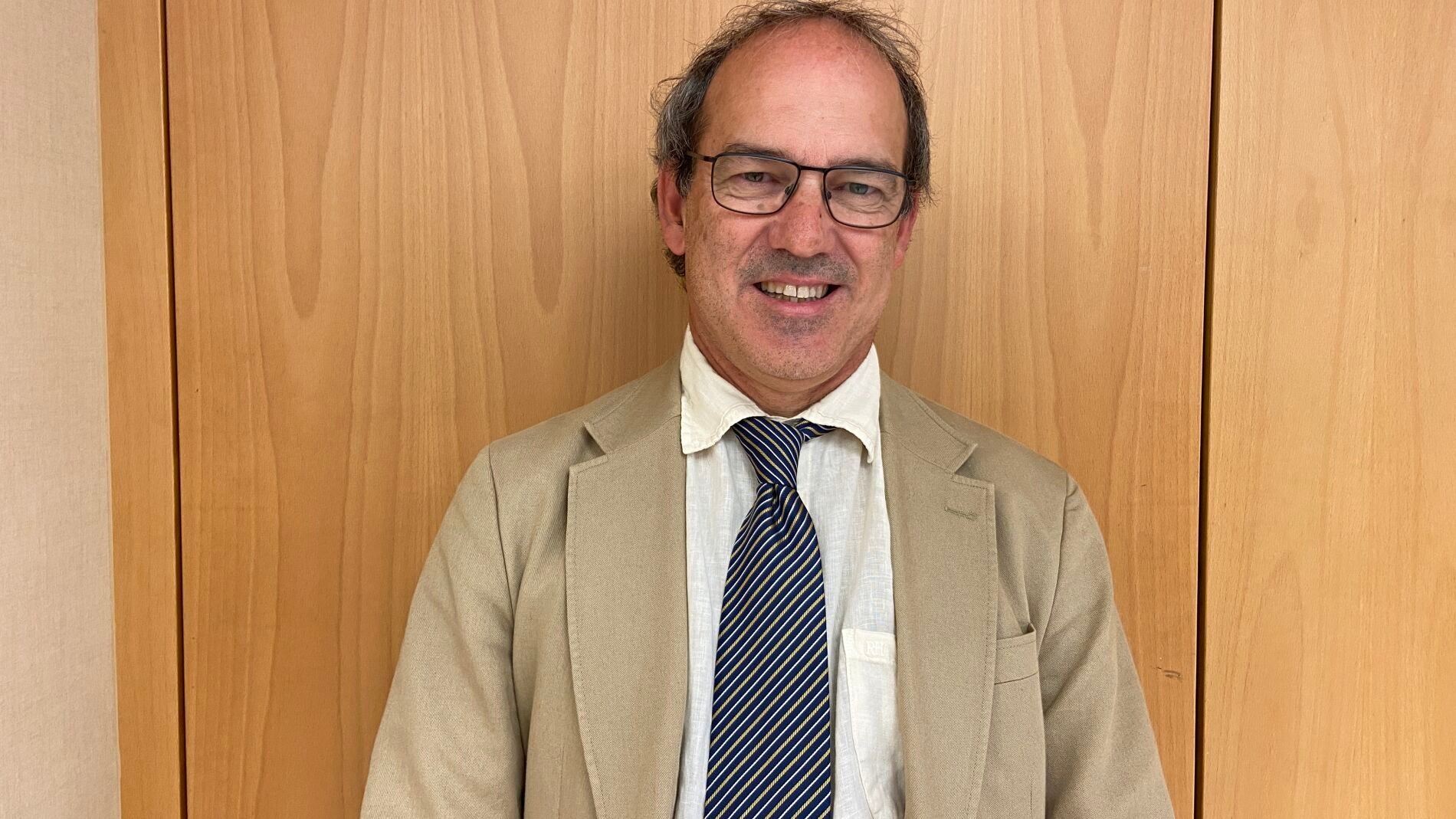
Redmo functions as a comprehensive management system rather than a simple database. The organisation coordinates every stage of the treatment pipeline, including donor registration, national and international compatibility searches, match confirmation, donation logistics, and the transportation of cellular products directly to recipient hospitals.
Compatibility is determined through human leukocyte antigen (HLA) typing, a specialized laboratory analysis that evaluates genetic markers to match donors and recipients for organ and tissue transplants. Through Redmo, Spain is fully integrated into an international network of more than 46 million donors managed by the World Marrow Donor Association (WMDA).
National Strategy and Five Year Targets
To expand Spain's self-sufficiency and improve outcomes for all patients, the ONT is preparing a new national bone marrow transplant strategy that aims to reach 750,000 active donors over the next five years. Redmo currently maintains a database of more than 530,000 registered individuals.
Querol explained that Redmo aims to incorporate 26,000 new donors during 2026. Data from the first half of the year indicates that the registry is meeting its growth target with a steady 9 percent increase.
However, Querol stressed that recruiting 100,000 new donors under the age of 30 over the next five years is far more valuable than adding an equivalent number of older candidates. He noted that the quality and genetic diversity of registered donors matter as much as total registry numbers.
Querol described Redmo as a living project that requires continuous renewal, as older registered candidates must be replaced by younger generations. He urged people aged between 18 and 40 to visit their local health centres and join the life saving registry.
Recovery After Pandemic Declines
The registry previously faced several years of declining registration numbers, a trend that deteriorated further during the Covid-19 pandemic. In response, health authorities launched targeted public awareness campaigns to rebuild candidate numbers.
Recruitment rebounded following the MatchTour campaign, launched jointly in 2024 by the Josep Carreras Foundation and the ONT across all of Spain's autonomous communities. Querol noted that the positive momentum generated by that nationwide initiative continues to drive recruitment figures today.
Transplant Success and Donation Procedures
Clinical outcomes for bone marrow transplants have improved steadily year after year, with success rates now exceeding 75 percent in many patient groups. Querol stated that survival chances are highest when stem cells are donated by younger individuals, particularly those under 30.
The donation process begins with an initial blood sample taken to establish HLA tissue compatibility. When a candidate is matched with a patient, registry coordinators make contact to confirm availability and arrange follow-up blood tests.
Donors undergo a comprehensive medical evaluation to ensure that the procedure carries no safety risks for either the donor or the recipient. Once approved, the donation is formally scheduled.
In the vast majority of cases, stem cells are collected from peripheral blood through a process similar to an extended blood donation. The harvested cellular product is then transported immediately to the hospital where the patient is undergoing treatment.
Querol emphasized that registry staff provide continuous information and guidance to ensure candidates maintain their commitment over many years, even though many registered donors may never be called upon to donate.
Expanding Genetic Diversity and International Outreach

Finding matching donors remains particularly difficult for patients with rare genetic profiles, including individuals of mixed ancestry or those belonging to ethnic groups that are underrepresented in global registries. Querol said expanding diversity within Redmo is vital so that every patient has a fair chance of finding a match.
Spain has built one of the largest bone marrow registries in Europe and plays a key role in the global donation network. During the first six months of 2026, Redmo facilitated 136 transplants for patients in other countries.
More than half of all stem cell donations collected from Spanish donors are sent to international patients. Conversely, approximately 70 percent of Spanish patients who receive bone marrow transplants obtain matching cells from overseas donors.
Querol concluded that Redmo's primary challenge in the coming years is not simply to grow, but to grow better by securing a younger, more diverse registry capable of providing life saving transplants to patients anywhere in the world.