

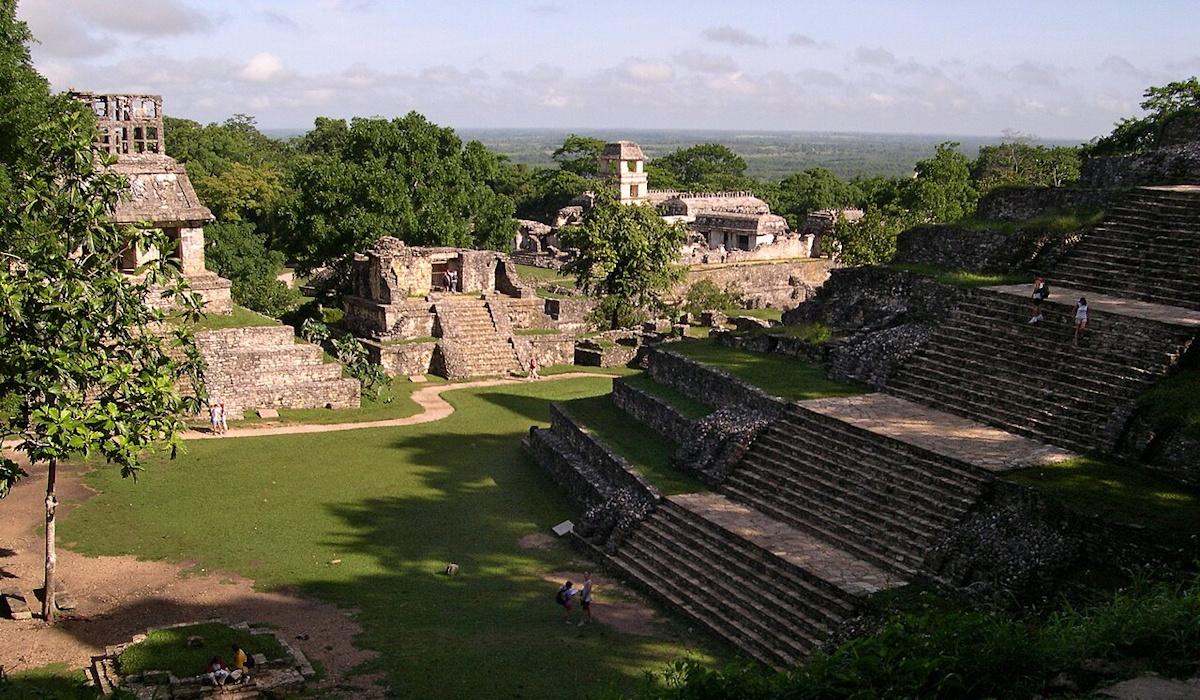
A prolonged drought that struck the northern Yucatan Peninsula in southern Mexico may have been one of the key factors behind the decline of the Maya civilization, according to new research reported by the French magazine Science Et Vie. The findings come from a study of a stalagmite in a local cave that preserved a record of climate changes dating back more than a thousand years.
Researchers from the University of Cambridge examined the stalagmite, known as Tzab06-1, found in the Grutas Tzabnah cave. Layers of calcite that formed between the years 871 and 1021 retained chemical traces of seasonal rainfall. By analysing oxygen isotopes in these layers, the scientists were able to reconstruct a detailed history of droughts in the region.
According to Oriane Polge, the author of the Science Et Vie report, the researchers identified eight drought periods that each lasted at least three years. The most extreme of these droughts did not let up for 13 years in a row.
Why the drought mattered so much
The effects of this prolonged lack of rainfall were especially severe because Maya agriculture depended heavily on seasonal rains. Maize, the foundation of their farming, is highly vulnerable to a shortage of moisture.
In northern Yucatan, where rivers are virtually absent, local communities stored water in underground reservoirs and cisterns known as chultunes. During extended dry spells, however, this storage system proved insufficient to meet their needs.
Cities fell at different rates
Archaeological evidence also points to a link between the shifting climate and the decline of Maya cities, Science Et Vie reported. In Uxmal, the construction of stelae and buildings stopped in the early 10th century, and inscriptions on monuments ceased appearing after a series of severe droughts.
At the same time, the researchers stressed that the same climate shocks did not produce identical outcomes everywhere. Chichen Itza, for example, held onto its influence for longer, likely because it had a more developed food supply system and access to a wider range of resources.
The fate of individual cities, the researchers noted, depended not only on natural conditions but also on political decisions, social structures and each community's ability to adapt to crisis.
What comes next
Daniel H. James, who led the research team, said he hopes to apply the same method to other caves in the region. He expects this to help clarify more precisely how long-term climate change shaped the rise and fall of ancient civilizations.
What happens next
Lead researcher Daniel H. James hopes to apply the same method to other caves in the region to better understand how long-term climate change affected ancient civilizations.
Test yourself
What object did Cambridge researchers study to trace the droughts?
How long did the most extreme drought period last without interruption?
What did northern Yucatan communities use to store water?
Have your say
What do you find most interesting about using cave formations to study ancient climate?
Where it happened
Yucatan Peninsula, Mexico


