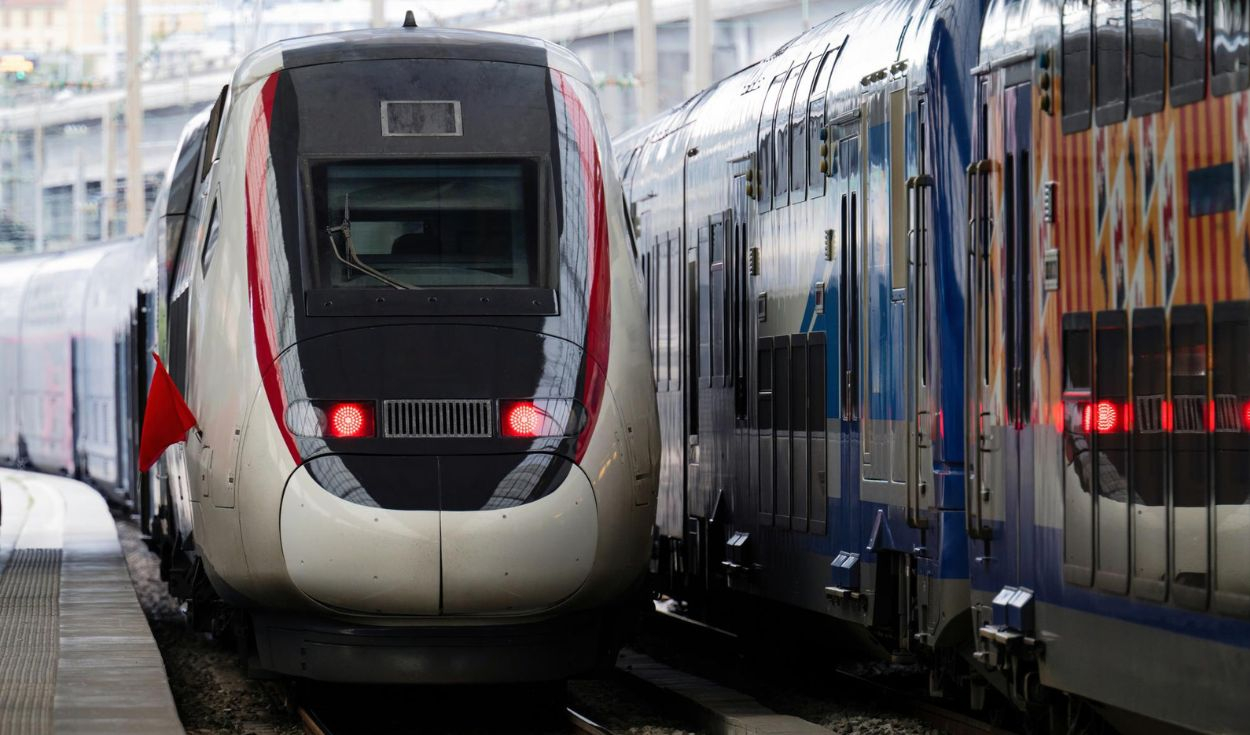
Texas is advancing plans for a high-speed rail network connecting Dallas, Fort Worth, and Arlington, aiming to transform mobility across the state and generate billions of dollars in economic activity.
Construction depends on reaching an agreement over the proposed western alignment in Dallas. Regional transportation leaders from Dallas, Fort Worth, Arlington, Dallas County, and the Dallas Area Rapid Transit are holding talks to find a workable path forward.
The primary point of conflict centers on a proposed elevated structure west of downtown Dallas, along with a station located south of the central business district and Interstate 30.
Economic impact for Fort Worth and Arlington
A study commissioned by Fort Worth and Arlington estimated major increases in local tax revenue and commercial activity linked to the corridor development.
Projections indicate Fort Worth could collect $3.3 billion in property tax revenue between 2036 and 2050, while Arlington could reach nearly $4.0 billion over the same timeframe. Resident and visitor spending could generate up to $1.2 billion annually in Fort Worth and approximately $1.0 billion per year in Arlington.
Associated commercial development is projected to bring $19.4 million to Fort Worth and $25.6 million to Arlington. Hotel and retail sectors are also expected to benefit from increased visitor traffic surrounding the planned stations.
Employment and traffic reduction projections
An analysis by Boston Consulting Group cited in the study calculated that the rail network could create more than 20,000 jobs during its construction and operational phases.
The system is also projected to reduce automobile travel by up to 2.5 million trips across Texas by offering a faster transit alternative between major urban centers.
Rapid population growth is adding urgency to expanding regional transport options. Official estimates indicate 12.5 million people will move to North Texas over the next 25 years, while the region currently gains more than 200,000 residents annually.
Dallas Council opposition to elevated route
Despite the projected financial benefits, the Dallas City Council has reinforced its opposition to an elevated rail line running through parts of downtown and surrounding neighborhoods.
A council resolution excluded West Dallas and several local parks from the corridor route. City leaders suggested evaluating other options instead, such as improvements to the Trinity Railway Express or an underground rail path.
Planning and technical studies for the project have cost nearly $13 million so far. If the initiative is cancelled, the region could be required to return up to $7.2 million in federal funding. Regional transportation officials are continuing negotiations to preserve the technical and environmental work completed to date.