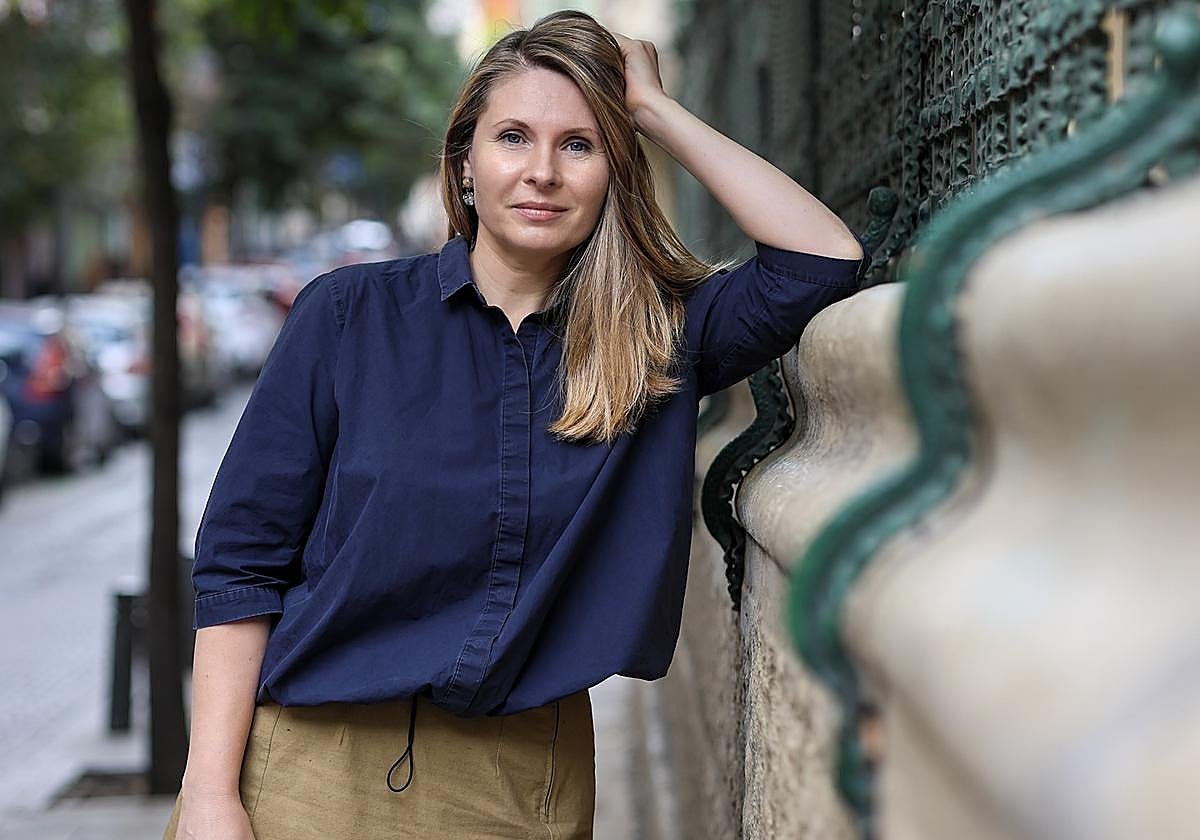
Moldovan-Romanian author Tatiana Țîbuleac has built her reputation on stories about pain, guilt and the wounds of the past, exploring how families torn apart by illness, abandonment and resentment can still find their way toward forgiveness, according to an account published by writer Diego Rueda on 14 November.
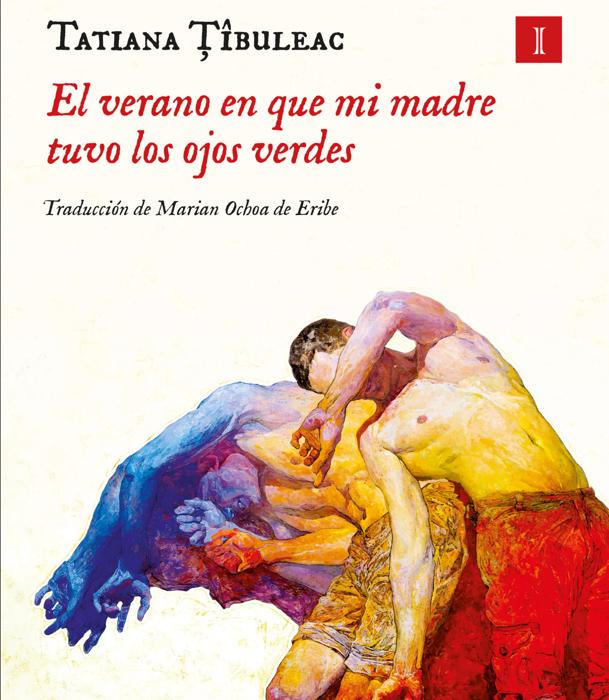
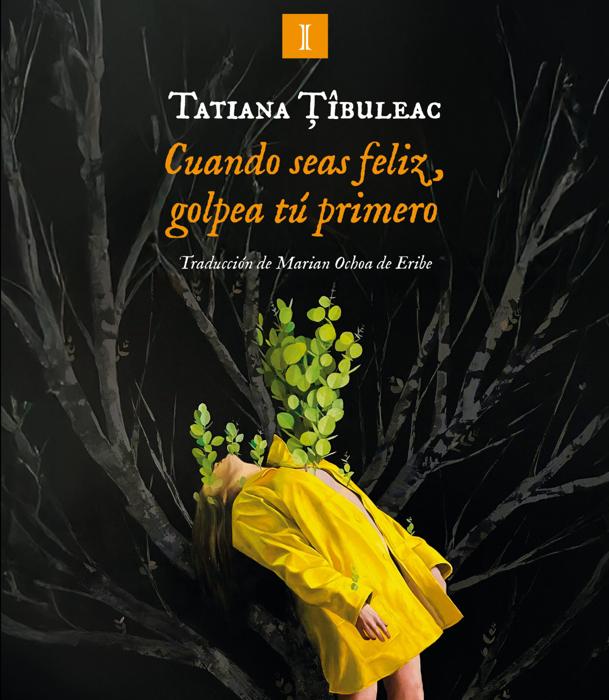
Rueda said he discovered Țîbuleac's work by chance at a book signing in Madrid on 5 October. He described himself as a reader willing to pick up almost any kind of novel, from Isabel Allende to teenage romance stories, but said the Moldovan-Romanian writer won him over before he had read a single page of her earlier books. He left the signing having bought two of her novels, "The Summer My Mother Had Green Eyes" and "Cuando seas feliz, golpea tú primero" ("When You're Happy, Strike First").
Reading them, Rueda said he understood why Țîbuleac has become one of the most distinctive voices in contemporary European fiction, largely because of how she treats family relationships with rawness and contradiction. Her novels circle around memory, abandonment and loss, he said, as well as the resentment that can build inside the relationships that matter to people most.
According to Rueda, Țîbuleac's characters do not try to forget their wounds or reach quick redemption. Instead, they learn to live alongside them. Part of that outlook, he said, is rooted in her own life, including her move to Paris in 2008, an experience that pushed her to reflect on identity, migration and her sense of belonging to her native Moldova. Her background as a journalist, Rueda added, has also shaped a narrative style that pays close attention to human contradiction.

A novel about illness and misunderstanding
"The Summer My Mother Had Green Eyes" is, Rueda wrote, probably Țîbuleac's best-known novel, largely because of the international recognition it has received. The book portrays a complicated relationship between a mother and her son, shaped by illness, cancer and misunderstanding. It tells the story of an attempt to rebuild a bond once time and sickness force both characters to look at their past differently. Rueda said the novel's success is no accident, pointing to Țîbuleac's ability to portray love without idealising it.
The wounds we inherit
Looking back toward parents is, Rueda said, a constant in Țîbuleac's work, as her latest novel shows. "Cuando seas feliz, golpea tú primero" follows a 50-year-old Moldovan woman living in Paris who is marked by her mother's death and by an uneasy relationship with her father, who is still alive but absent and affected by alcohol. Rueda said the book captures the difficulty of reconciling with people who have loved us but also hurt us.
The bond between parents and children is one of the territories Țîbuleac returns to most often, Rueda said, but her stories leave room for more than pain. Love, admiration and the need to forgive also appear, even when characters cannot recognise those feelings straightaway. Rueda said the influence of the author's own family history helps build such complex characters, while cautioning that her fiction should not be mistaken for autobiography.
Rueda praised the way Țîbuleac constructs her stories from fragmented memories, mixing tenderness and rawness, two ways of looking at life that he said are sometimes necessary to keep moving and to learn to live with other people's pasts. He described Țîbuleac as an expert in compassion, portraying her characters as ordinary people who are neither perfect victims nor entirely guilty.
Belonging to more than one place
Rueda singled out Țîbuleac's treatment of identity among people who never quite fit in, particularly through the weight of emigration and the feeling of belonging to several places while feeling completely outside all of them. He said the universality of her stories comes from characters who search for redemption in new cities, as with the link between Moldova and Paris, while still looking back at a past where some wounds remain open.
Writing so as not to forget
Rueda described Țîbuleac's literature as both an inheritance and a form of survival, for her readers and for herself. In her novels, he said, writing becomes a tool for understanding the experiences that have shaped people. Rueda added that the point is not to dwell on blame but to learn to build a new, personal story with room for forgiveness, and that questioning the past is not necessarily negative since it can help people move toward the life they want without giving up their memories, however painful.
Rueda said Țîbuleac's work could be described as the art of living alongside what cannot be fixed, and suggested that is part of why her novels succeed: they offer no easy reconciliations and no neatly closed endings, reminding readers that some relationships cannot be fully repaired.
Test yourself
Where did Diego Rueda first encounter Tatiana Țîbuleac's work?
What does "The Summer My Mother Had Green Eyes" portray?
Who is the protagonist of "Cuando seas feliz, golpea tú primero"?
Where it happened
Madrid, Spain