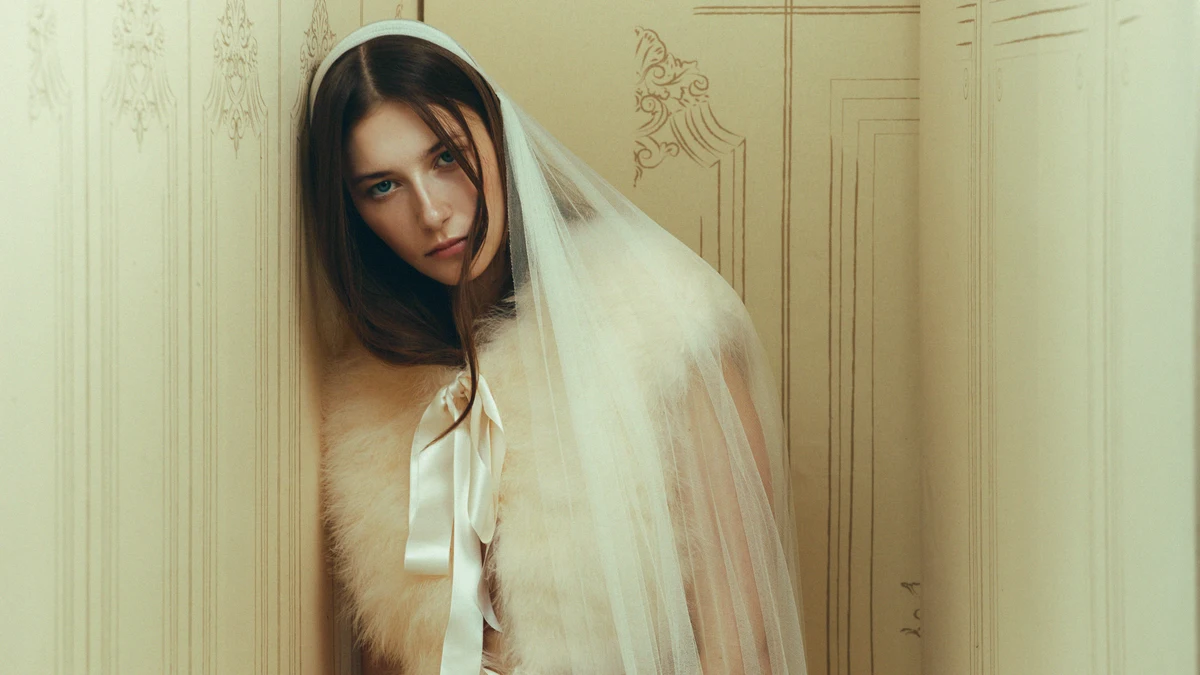
Catalan fashion designer Teresa Helbig has unveiled Locket Memory, a new bridal collection of 21 wedding dresses celebrating 30 years of her work and the shift away from rigid bridal traditions.
Speaking in an interview with the Lifestyle section of the Spanish daily newspaper La Razón on November 13, 2026, Helbig said modern brides have left behind established conventions to choose how they dress on one of the most important days of their lives. She said today's bride is not looking for a bridal costume, but rather for a dress that truly resembles her.

Across three decades in fashion, Helbig has consistently favored wedding dresses that tell a story about the women wearing them rather than garments designed simply to fulfill a tradition. Her creative approach combines romanticism with individual personality, giving a clear purpose to every fabric, silhouette and piece of embroidery.
In Locket Memory, each of the 21 designs reflects a distinct stage of her 30-year career. The collection brings together elements from her earliest beginnings, her years of creative maturity and her current focus on defending traditional craftsmanship, weaving memories and emotions into designs where artisanal work takes center stage.
Modern brides and changing wedding traditions
Helbig told journalist Gemma Martos of La Razón that a Teresa Helbig bride is, above all, an authentic woman who wants to be herself. According to the designer, her client knows very well what she wants and chooses freely, guided by her own judgment and sensibility.
For Helbig, a wedding gown is no longer a garment meant to obey strict, pre-set rules. What matters now is that the dress reflects the wearer's character and carries part of her personal history without turning into a disguise.
That philosophy mirrors broader changes in how weddings are celebrated. Helbig identified the growing freedom couples have to organize their ceremonies as they genuinely wish as one of the most compelling shifts of recent years.
She noted that rather than discarding any single trend or specific custom, she wants to leave behind the notion that there is only one kind of wedding. In her view, this wider freedom in how couples celebrate has given even greater purpose to couture and custom-made bridal design.
Thirty years of craftsmanship as resistance
Looking back on her three decades in the industry, Helbig recalled one of her earliest professional mistakes with particular fondness. Early in her career, an order for 30 garments accidentally turned into 60 garments.
She said she now views that early error with affection because it allowed her to discover her own way of creating. Over time, the spontaneity of those first collections evolved into a more conscious design process while keeping the emotion that has accompanied her work from the start.
The 21 dresses in Locket Memory pair contemporary silhouettes with delicate fabrics, handcrafted embroidery, sheer transparencies and sculptural volumes. The combination is designed to show that a bride can be romantic without giving up her strong character.
Helbig described her commitment to traditional needlework as more relevant now than at any previous point in her 30-year career. She argued that in an era of rapid mass production, defending the craft, the human hand and the time required to make a garment has become almost an act of resistance.
From Queen Letizia and Zendaya to future plans in Mexico
For Helbig, couture goes far beyond producing an attractive piece of clothing. Behind every dress lie hours of labor, generational techniques passed down from seamstress to seamstress and specialist knowledge that she considers essential to preserve.
Comparing fine craftsmanship to a locket or reliquary, she explained that artisanal work holds centuries of learning, technique, trade and tradition. That close attention to detail has drawn high-profile women with widely different personal styles to her label over the years, including Queen Letizia of Spain alongside American actresses Zendaya and Halle Berry.
Queen Letizia regularly wears Spanish designers at official royal engagements, while Zendaya and Halle Berry are internationally known for bringing European couture to major red-carpet events. Helbig said she has always believed that a well-made garment never imposes a way of being on its wearer, instead adapting to the woman inside it and making her shine.
She connected that principle directly to her bridal clients, describing them as women who want to recognize themselves in the mirror even when wearing a gown they will probably never put on again.

While Locket Memory looks back across her past three decades, Helbig is also planning the next phase of her brand. The designer said she hopes to introduce her collections to new audiences and expand her creative universe into additional countries, naming Mexico among her target markets.
Even with international growth in mind, she said her core motivation has not changed since her earliest days in the workshop: watching an initial idea become a finished garment and seeing a woman recognize herself the moment she puts it on.