

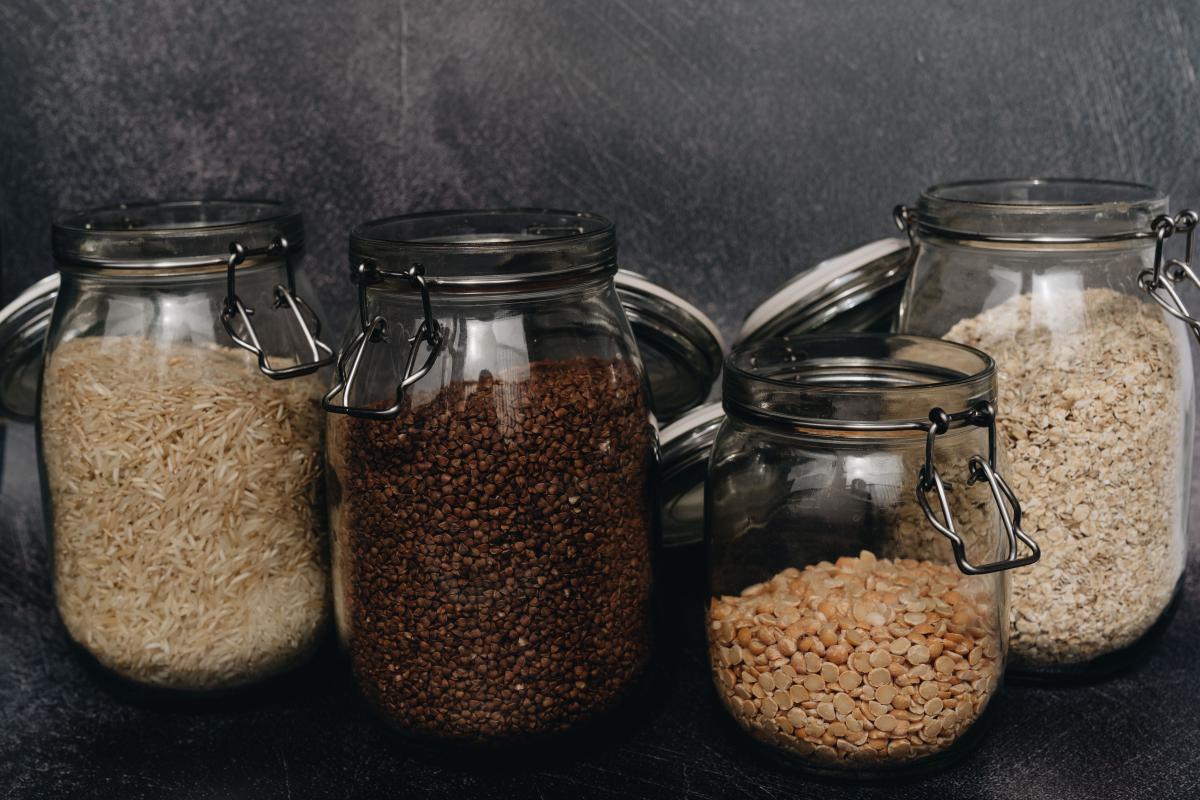
Semolina, instant oatmeal and white rice are the three least healthy porridges for the body because heavy industrial processing strips away essential nutrients, according to nutritional guidance.
Despite the widespread availability of dietary information in the internet age, myths about healthy eating remain popular, leading many consumers to eat refined grains without realizing their negative health consequences.
A nutritionist previously told Ukrainian news agency UNIAN that the most beneficial grains are those that undergo minimal processing and remain in whole form. Whole grains preserve their natural outer shell, which contains the majority of the food's vitamins.
By contrast, the least nutritious grains are heavily processed during production. When food manufacturers remove the outer bran layer and inner germ, they strip away most of the grain's health benefits. This refinement leaves behind fast carbohydrates that rapidly elevate blood sugar levels without offering long-lasting satiety.
Semolina wheat processing
Semolina porridge gained its reputation as a nutritious dish during the Soviet era, when its high calorie content and low cost made it a common fixture in school and kindergarten cafeterias. In reality, semolina is not a unique species of grain, but coarsely ground wheat that has been stripped of its husk and sieved to remove its most valuable nutrients.
The resulting dish contains virtually no dietary fiber or vitamins and fails to keep eaters full, often leaving them hungry again within an hour. Semolina also contains phytin, a naturally occurring chemical compound that hinders the body from absorbing essential minerals like calcium and iron.
Instant oatmeal packets
Nutritionists emphasize that instant oatmeal should not be confused with whole-grain oatmeal, which remains one of the healthiest breakfast foods available. Instant oats sold in individual sachets and designed to be cooked quickly with boiling water lose almost all of their health benefits during manufacturing.
To produce instant varieties, manufacturers strip away the valuable outer shell, grind the oats, and subject them to high-temperature thermal processing, which destroys most microelements. Many instant products also contain added sugars and artificial flavorings that further reduce their nutritional value.
These processed remnants cause a rapid spike in insulin followed by a steep crash in energy levels, leaving consumers craving another snack soon after eating. Health experts advise replacing instant packets with whole-grain oatmeal.
White rice health risks
Natural rice grains are brown, turning white only after industrial milling removes the nutrient-dense outer hull. Although white rice is widely favored for its filling nature and easy digestion, it frequently appears on expert lists of grains that people should not eat on a daily basis.
The radically processed grain remnants consist almost entirely of starch and contain very few vitamins. Medical evidence indicates that frequent consumption of white rice leads to an elevated risk of developing obesity and type 2 diabetes.


