Television series on streaming platforms frequently experience sharp viewership declines during their second season, an industry phenomenon known as the sophomore slump.
Audience metrics from streaming services show that even major hit productions can lose more than half of their viewers when returning for a second installment.
The term sophomore originates in the United States, where it refers to a second-year high school or college student and more broadly to a second effort or project. Combined with slump, the phrase spread across sports, music, film, and television to describe a noticeable drop in ratings, critical reception, or public enthusiasm after a successful debut.
Industry analysts note that the phenomenon is not an official metric or a mathematical rule. A show may undergo a sophomore slump because it loses viewers, receives poorer critical reviews, or simply fails to generate the cultural conversation that greeted its original release.
First seasons benefit from the advantage of novelty by introducing unfamiliar characters, settings, and premises to the audience. Second seasons face the tougher creative challenge of preserving what made the show popular while evolving the plot without altering its fundamental identity.
Streaming metrics and Netflix viewership data
The prevalence of subscription streaming platforms has transformed the debate by providing exact viewership data. Netflix, the world's largest paid video streaming service, has featured prominently in recent discussions regarding second-year audience retention.
Netflix calculates views by dividing total hours watched by the total runtime of a title, a metric designed to enable fair comparisons across programs of varying lengths. Analysts emphasize that comparing season performance requires accounting for release windows, total episode runtimes, and whether a season dropped all at once or in separate parts.
Recent viewership figures highlight the magnitude of these drops across several high-profile titles. The drama series Las Cuatro Estaciones debuted on Netflix with 11.9 million views, securing the number one spot among English-language series, but its second season opened with 4.4 million views, representing a drop of approximately 63 percent.
A similar trend affected A Good Girl's Guide to Murder. The show accumulated roughly 7.4 million views during its first week on Netflix, whereas its second season opened with about 1.8 million views, a decline of nearly 76 percent. Although view counts rose slightly in subsequent weeks, the gap with the premiere season remained substantial.
The live-action adaptation Avatar: The Last Airbender recorded 8.7 million views at the start of its second season, falling well below the initial impact of its first season. Meanwhile, the second season of Beef opened with 2.4 million views, though industry observers urge caution when analyzing anthology series that feature entirely new cast members and storylines.
Even large-budget franchise productions have experienced initial drops. The second season of One Piece debuted at number one globally with 16.8 million views, compared to approximately 18.5 million views achieved by its debut season during its opening days.
Viewership drops and second season successes
Losing viewers relative to a record-breaking premiere does not automatically mark a television production as a failure. A relative drop in audience numbers can still leave a show operating as a massive commercial success for a network or streaming platform.
The mystery series Wednesday provides a clear example of this dynamic. While its second season drew fewer total viewers than its debut season, which remains one of the most-watched English-language series in Netflix history, the show maintained audience numbers that most competing series would consider extraordinary.
Furthermore, several major productions have defied the second-year slump entirely. The South Korean survival drama Squid Game delivered one of the largest season debuts in Netflix history for its second installment, proving that high public anticipation can be sustained.
Growth across seasons is also evident outside of Netflix. The HBO anthology series The White Lotus expanded its viewership significantly between its first and second seasons, while the Apple TV+ thriller series Severance built a larger fanbase during its second year on the air.
Critical reception and historical precedents
The sophomore slump is not measured solely by audience volume, as critical reception can suffer an equally sharp decline. Some of the most widely cited historical examples involve series that retained high viewership while losing critical support.
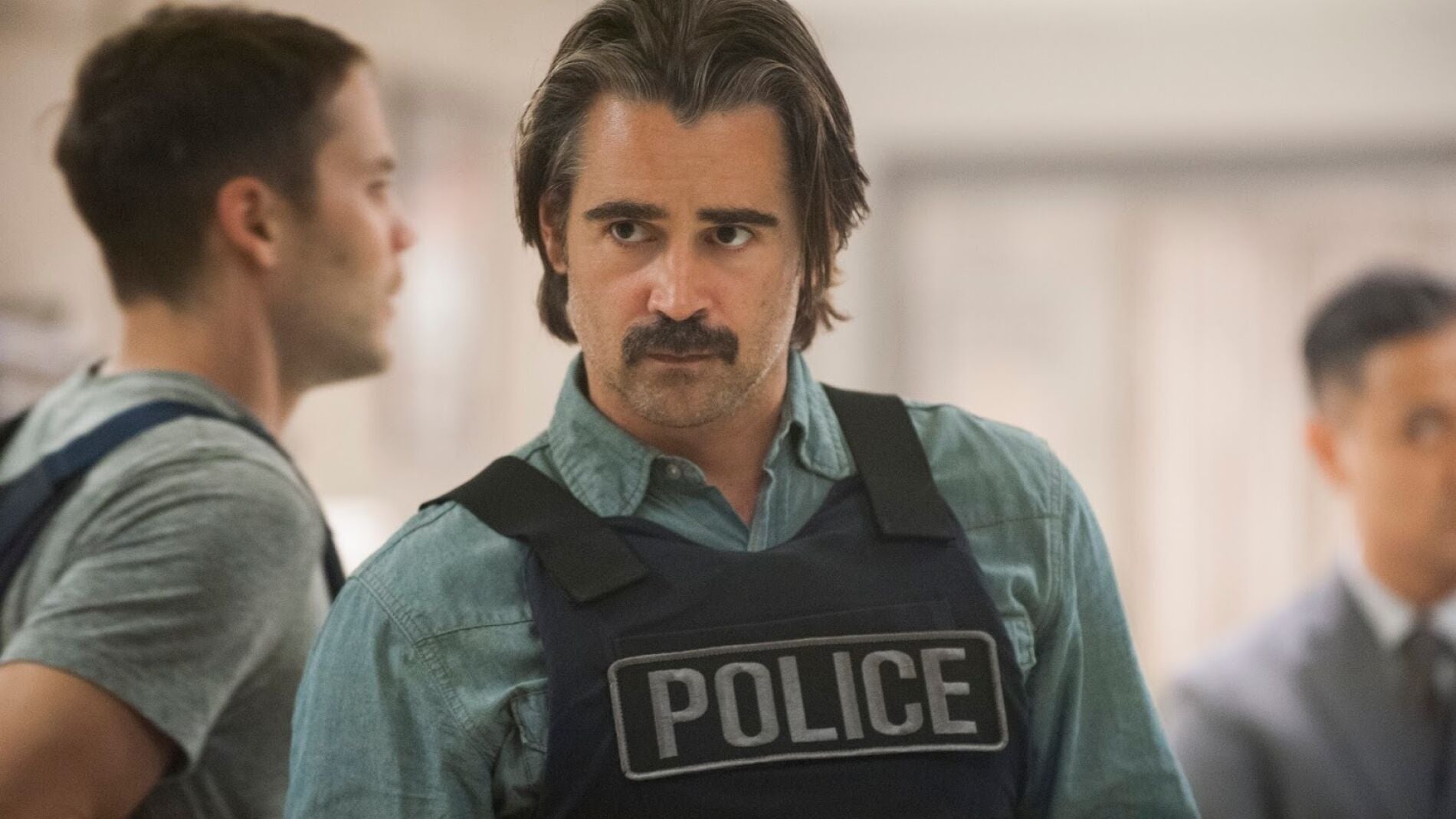
The crime drama True Detective on HBO Max represents one of the most prominent critical slumps in television history. The show's acclaimed first season starred Matthew McConaughey and Woody Harrelson, whereas its second season featured a different cast and setting that received far lower ratings from critics.
The teen drama 13 Reasons Why experienced a similarly pronounced drop in critical acclaim. Critics noted that the second season lost much of the narrative momentum and emotional clarity that had made the original installment effective.
The phenomenon has long attracted commentary from television critics and creators. In an article evaluating the second season of the HBO comedy Barry, publication The New Yorker cited earlier second-year struggles in series such as Bloodline, The Man in the High Castle, 13 Reasons Why, Mr. Robot, Westworld, and True Detective. Matt Stone, the co-creator of the animated comedy South Park, stated that he considered the second season of his own series to be its worst.
Creative factors and release models
Industry experts point to several underlying causes for the second-season decline, led by the loss of novelty. A new series often achieves breakout success because audiences have no prior expectations, leaving returning seasons to compete directly against the memory of their best episodes.
Extended production gaps between seasons have further exacerbated audience drop-off. While traditional broadcast television typically operated on a nine-month seasonal cycle, modern streaming productions often take two or three years to release new episodes, causing viewers to lose touch with characters and plotlines.
The practice of releasing entire seasons at once also impacts long-term audience engagement. Full-season binge drops concentrate viewer discussion into a span of a few days before fading, whereas traditional weekly release schedules sustain media coverage and social media conversations over several months.
Finally, creative limitations play a key role when stories are originally designed for a single season. Shows like 13 Reasons Why completed their central mystery and dramatic arc in their initial run, forcing writers to invent new conflicts to justify continuing a story whose core engine had already concluded.
Audience loyalty and the future of television
Media analysts conclude that the sophomore slump functions less as an inevitable curse and more as a rigorous test of endurance for modern television productions.
While a successful debut season demonstrates that a series can generate initial curiosity through marketing and novelty, the second season reveals whether that curiosity has translated into genuine long-term audience loyalty.