


The Stanley SXPW19B 1900 W high-pressure washer has fallen in price below both the less powerful 1600 W model and the higher-tier 2400 W unit within the same product lineup following a discount on Amazon.
The retail price drop creates an unusual anomaly across Stanley's six-tier power range, allowing buyers to secure a higher-wattage machine for less money than entry-level alternatives.
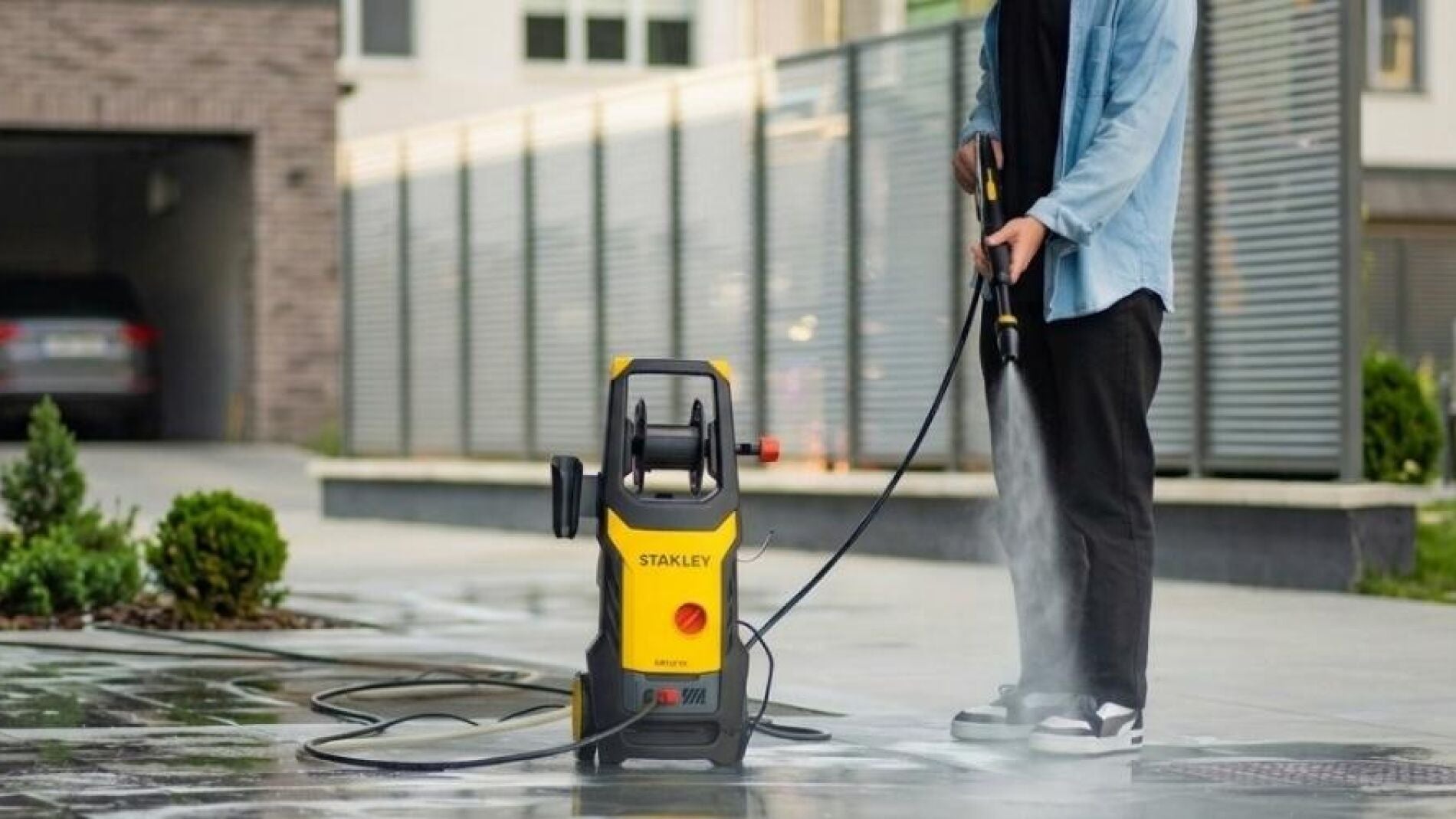
Pressure capabilities and home cleaning performance
The 1900 W model delivers a maximum operating pressure of 150 bar alongside a maximum water flow rate of 440 litres per hour. In high-pressure washing systems, water pressure acts to break apart encrusted dirt on hard surfaces, while the volume of water flow sweeps the loosened material away.
With these output specifications, the machine is designed to clean green algae from porch tiles, dried soil from iron gate bars, and accumulated pollen from plastic garden chairs prior to seasonal storage. It also removes weeks of road dust and dried insects from vehicle front bumpers, as well as dried mud from bicycle frames.
The appliance is intended for domestic cleaning tasks lasting between 20 and 30 minutes. It operates using cold water but can accept inlet water temperatures reaching up to 50 degrees Celsius.
Because the pressure washer relies on cold water, it cannot remove heavy grease stains, oil spots on garage floors, or heavily soiled vehicle engine bays, which require hot-water industrial equipment. Furthermore, the unit is constructed for periodic weekend home maintenance rather than continuous commercial use, such as four-hour daily shifts across a five-day workweek.
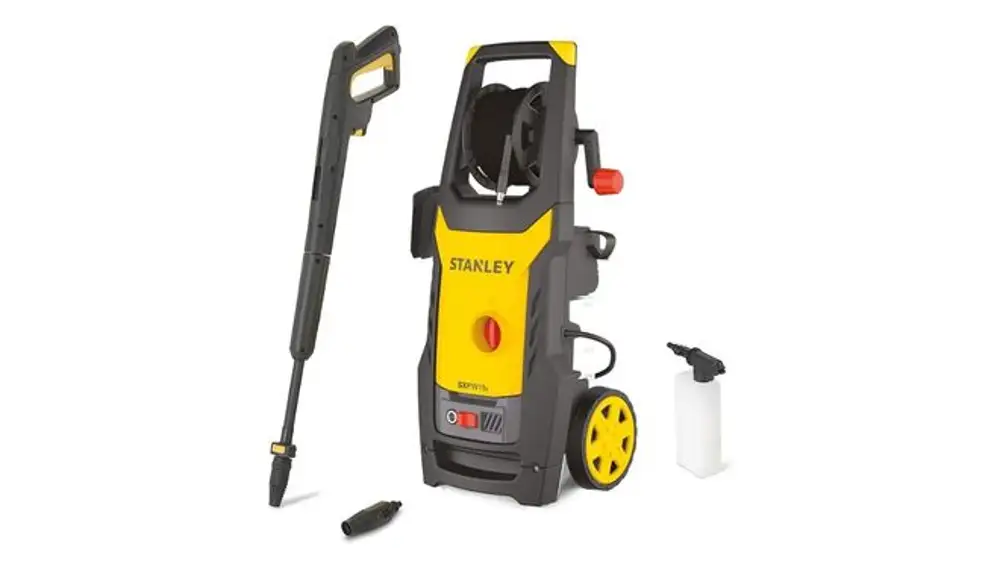
Self-priming tank and water supply options
The Stanley SXPW19B features an integrated 4-litre water tank and a self-priming pump system capable of drawing water from external vessels such as drums or buckets. Self-priming pumps generate suction to pull water from static reservoirs, enabling full operation without needing a direct connection to a pressurized tap supply.
This functionality allows the machine to operate in locations lacking plumbing infrastructure, including garages without water taps, rural properties supplied by water tanks, or storage sheds equipped only with electrical outlets. The water inlet features a quick-connect coupling with an inspectable, removable filter designed to prevent sand and fine sediment in bucket water from entering the pump assembly.
A 6-metre high-pressure hose provides a wide working radius, allowing users to move around a standard passenger vehicle without repositioning the main machine. Weighing 10.7 kg, the unit can be lifted into a car trunk or carried to a storage room, though it is heavier than hand-carried handheld garden tools.
Accessory storage and build quality feedback
The machine includes six accessories that dock directly onto mounting brackets on the rear of the housing, keeping components organised and preventing small attachments from becoming lost in workshop storage drawers.
While the overall housing is durable, user feedback indicates that the hose winder mechanism requires careful handling. According to buyer reviews reported by Marina Ros, one customer noted that the hose reel winder was somewhat fragile, suggesting that users should roll the hose smoothly without applying excessive force to the winder lever.
Power comparison across the Stanley range
Stanley offers the SXPW19B model series across six power steps ranging from 1400 W to 2500 W. However, official manufacturer documentation lists these power tiers without detailing specific use cases for each output level, leaving shoppers to evaluate performance numbers independently.
The performance difference between the 1900 W and 1600 W options is noticeable when cleaning large surface areas, where the 1900 W motor maintains consistent operating pressure without losing power during continuous spraying. Upgrading to the 2400 W version provides slightly faster cleaning times rather than superior cleaning results, while adding extra weight and carrying a higher purchase cost.
As long as current discount pricing remains active on Amazon, choosing the 1900 W model offers the most practical balance of power and cost within the lineup.


