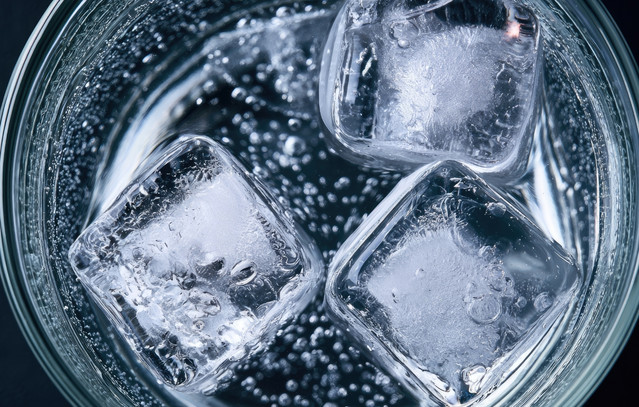
Sparkling water hydrates the human body just as effectively as plain water without reducing fluid retention or increasing urine output, clinical research shows.
Controlled clinical trials demonstrate that the carbon dioxide bubbles responsible for carbonated water fizz do not impair the body ability to absorb and store water.
Callie Krajcir, a registered dietitian specialising in bladder health based in Breinigsville, Pennsylvania, said research indicates that carbonated and non-carbonated water hydrate the body equally, showing no significant difference in fluid retention or urine production. Krajcir advised individuals to choose whichever option they enjoy most and will encourage them to drink more fluids overall.
Her assessment is supported by a randomised study published in the American Journal of Clinical Nutrition, in which researchers evaluated 72 men across various beverages to establish a Beverage Hydration Index. The trial measured cumulative urine output and fluid balance, concluding that urine production following sparkling water consumption did not differ significantly from that after drinking plain water.
Daily Fluid Needs and Health Guidelines
While health recommendations often cite a daily fluid intake of roughly 11.5 to 15.5 cups, exact hydration needs vary significantly between individuals. In Europe, the European Food Safety Authority (EFSA), the European Union agency responsible for food safety risk assessment based in Parma, Italy, sets adequate total daily water intake at 2 litres for adult women and 2.5 litres for adult men.
EFSA emphasises that total intake includes water consumed through food and other beverages, rather than solely plain drinking water. The agency notes that dietary reference values represent population averages rather than individual prescriptions, as personal requirements fluctuate based on ambient temperature, physical activity, sweating, age, pregnancy, breastfeeding, diet, and health status.
For individuals who dislike plain water, carbonated water offers a practical alternative to maintain adequate fluid intake. Trista Best, a public health dietitian at the Whitfield County Health Department in Dalton, Georgia, noted that sparkling waters can provide necessary hydration for people who would otherwise avoid unflavoured water.
Krajcir highlighted that carbonated water serves as an excellent replacement for sodas, energy drinks, and other beverages loaded with added sugar and caffeine. Substituting sugary soft drinks with plain sparkling water aligns with public health goals, as EFSA guidelines state that added and free sugar intake should be kept as low as possible within a nutritionally adequate diet.
Checking Labels and Digestive Impact
However, nutrition experts caution that not all bottled sparkling products are identical. Krajcir warned that many commercial varieties contain added flavourings, sugars, or artificial sweeteners, stressing that consumers must read nutrition labels carefully rather than assuming all carbonated products are plain water.
While carbonation is harmless for most healthy adults, it can cause gastrointestinal discomfort in individuals prone to gas, bloating, or abdominal distension. Carbonated water introduces extra gas into the digestive tract, which can trigger belching or discomfort, particularly in people with Irritable Bowel Syndrome (IBS), a chronic gastrointestinal condition where individual tolerance levels vary widely. A 500 millilitre serving may cause no symptoms in one person while provoking distress in another.
The scientific consensus regarding Gastroesophageal Reflux Disease (GERD), a chronic condition where stomach acid repeatedly flows back into the oesophagus, is similarly nuanced. A systematic review published in Alimentary Pharmacology and Therapeutics found that consuming carbonated beverages can cause a temporary drop in intra-oesophageal pH and a transient reduction in lower oesophageal sphincter pressure.
However, the review concluded there is no direct or consistent evidence that carbonated beverages cause or worsen GERD overall, nor that they directly inflict oesophageal damage. Experts recommend an individualized approach, advising consumers to reduce carbonated beverage intake only if they notice bubbles triggering their specific symptoms.
Bladder Sensitivity and Environmental Concerns
Carbonation can also act as a physical irritant for individuals with lower urinary tract conditions. Krajcir noted that carbonated water may irritate people suffering from bladder disorders such as interstitial cystitis, a chronic painful bladder condition, or overactive bladder, which causes frequent and sudden urges to urinate.
To determine personal tolerance, Krajcir suggests eliminating carbonated water from the diet for two to three weeks before reintroducing it to monitor for symptom flare-ups. She noted that while a beverage may act as a personal trigger, it does not mean carbonation causes the underlying medical condition or affects every patient in the same way.
Public discussions surrounding drinking water quality also involve per- and polyfluoroalkyl substances (PFAS), a broad class of synthetic fluorinated chemicals used in industrial applications that persist in the environment for long periods. The World Health Organization (WHO), the United Nations public health agency, identifies drinking water as one of multiple human exposure pathways alongside food, consumer goods, and occupational settings.
In 2026, WHO launched a new data collection effort to evaluate 18 specific PFAS compounds across six health impact categories, including cardiometabolic, liver, immunological, developmental, and reproductive effects, as well as cancer risks. However, scientists emphasize that carbonation does not produce PFAS, as chemical contamination depends on raw water sources, environmental pollution, and processing supply chains rather than carbon dioxide gas.
Advice urging consumers to buy only sparkling water marked as PFAS-free is overly simplistic, as overall water safety outweighs whether a beverage contains bubbles. WHO is currently evaluating PFAS risks for its updated drinking water quality guidelines, which will incorporate detailed assessments of contaminants of concern. For healthy adults, choice ultimately comes down to personal preference, individual digestive tolerance, and overall water intake.