

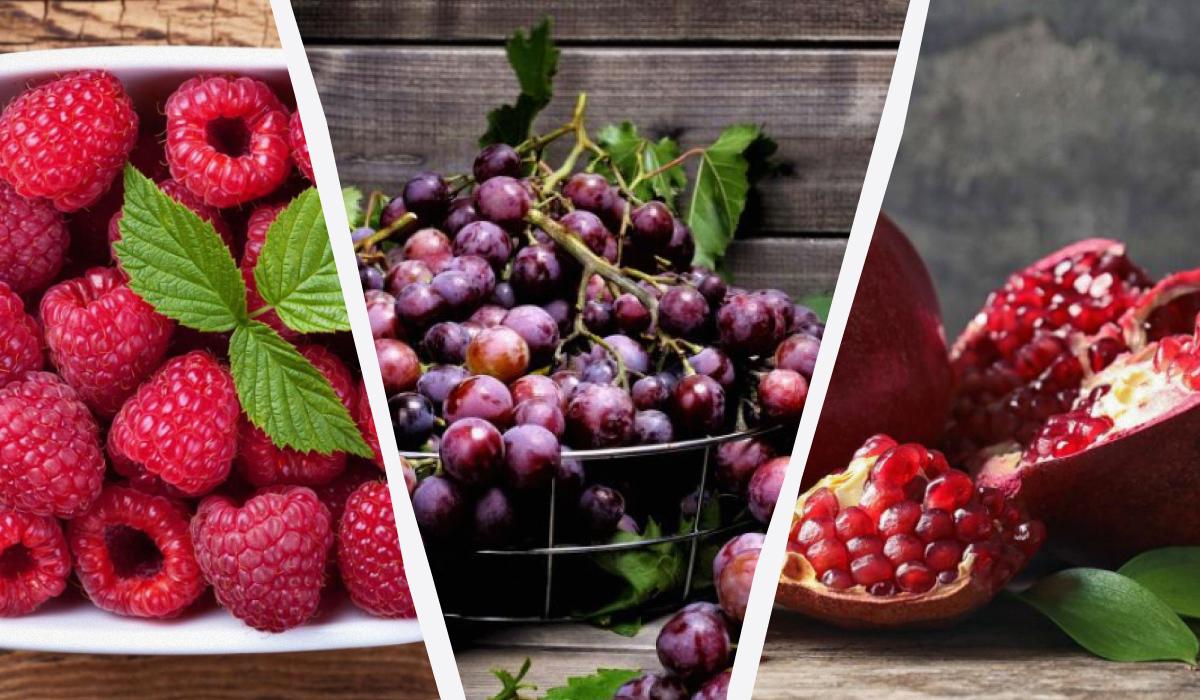
Adding six antioxidant-rich fruits to daily meals helps protect the body against free radical damage and chronic disease, according to health publisher Verywell Health.
Antioxidants give fruits and vegetables their vibrant coloring while supporting healthy ageing and reducing the risk of several long-term medical conditions. The concentration of these compounds varies across different fruit species, making variety essential for balanced nutrition.
Free radicals are unstable molecules generated during normal metabolic processes and environmental exposure. When free radicals accumulate, they cause oxidative stress that damages cellular structures, proteins, and DNA over time.
Concord and Purple Grapes
Concord grapes and purple grapes carry particularly high levels of protective compounds, according to an analysis of total antioxidant capacity across grape varieties. In Concord grapes, antioxidants are distributed throughout the entire fruit, whereas in purple grapes, most antioxidants are concentrated in the skin.
Both grape types can be consumed plain, mixed into fruit salads, added to smoothies, or stirred into oatmeal. Unsweetened juice made from Concord or purple grapes retains high antioxidant levels, though commercial grape jellies often contain high amounts of added sugar.
Concord grapes are a cultivar derived from the North American species Vitis labrusca. They are widely recognized for their slip-skin texture and rich purple pigmentation.
Pomegranate Seed and Skin Benefits
Pomegranates provide significant health benefits through specific phenolic antioxidants, including anthocyanins and hydrolysable tannins. A research review on pomegranates as natural phenolic sources noted that these compounds help counteract chronic kidney disease, cardiovascular disease, neurodegenerative conditions, and type 2 diabetes.
The protective substances exist within the seeds, pulp, and outer peel of the pomegranate. While consumers typically eat the seeds and pulp, the skin is also safe for consumption when dried and ground into a powder to use as a food additive or dietary supplement.
Pomegranates belong to the Lythraceae family and have been cultivated since antiquity. Anthocyanins are natural plant pigments responsible for deep red and purple shades in fruits.
Cranberries and Tartness Management
Cranberries contain dense concentrations of antioxidants and nutrients that assist in preventing bacterial, fungal, and viral infections. According to nutrition research, cranberry nutrients also help combat cardiovascular disease, diabetes, fever, and bodily inflammation.
Because cranberries have a sharp, tart flavor, eating them raw can be difficult. They are frequently cooked with added sugars, but pairing them with naturally sweet fruits such as grapes, dates, or ripe bananas mitigates tartness without artificial sweeteners.
Cranberries are evergreen dwarf shrubs in the subgenus Oxycoccus. They grow primarily in acidic bogs across cooler regions of the Northern Hemisphere.
Blueberries for Bone and Blood Pressure
Blueberries rank among the most popular antioxidant sources, supporting general health and mitigating age-related wellness issues. Their active compounds aid in managing bone density, diabetes, high blood pressure, elevated cholesterol levels, and vision impairment.
Compared to other high-antioxidant fruits, blueberries possess a mild flavor. They can be enjoyed fresh as a standalone snack or incorporated into baked goods, pancakes, yogurt, jellies, and smoothies.
Blueberries belong to the genus Vaccinium. Their blue skin comes from high concentrations of anthocyanin polyphenols located near the surface.
Blackberries and Raspberries
Blackberries and raspberries deliver rich antioxidant profiles that protect against cardiovascular disease, digestive disorders, high blood pressure, high cholesterol, and inflammation. Raspberries offer a gentle flavor suited for eating plain, while blackberries present a sweeter yet more astringent taste.
Both berry varieties pair easily with morning yogurt, breakfast grains, and blended beverages. Eating fresh berries regularly supplies dietary fiber alongside plant compounds.
Both species belong to the genus Rubus within the rose family Rosaceae. They are aggregate fruits composed of numerous small, seed-bearing drupelets.
Papaya Flesh and Seed Preparation
Papayas supply tropical antioxidants and essential vitamins that help prevent age-related health decline, arthritis, cardiovascular disease, and elevated cholesterol, according to an overview of papaya health benefits.
The orange pulp and black seeds of the papaya are safe to eat raw. However, the outer skin must be cooked prior to consumption to avoid stomach discomfort. Papaya pieces blend easily into smoothies, yogurt, oatmeal, and tropical fruit salads.
Papaya, botanically named Carica papaya, is native to tropical America. The plant is widely cultivated for its sweet fruit and natural digestive enzymes.
Comprehensive Anti-Inflammatory Nutrition
Selecting high-antioxidant fruits forms one part of a broader lifestyle strategy for reducing systemic inflammation and managing stress. Previous dietetic guidelines identified seven specific fruits that help ease anxiety, which can otherwise disrupt sleep patterns, energy levels, and emotional stability.
Dietitians who compiled a list of five top anti-inflammatory fruits emphasize that fruit intake must be supported by broader dietary habits. A complete anti-inflammatory approach requires adequate dietary fiber, healthy fats, and lean proteins, alongside regular physical activity, sufficient sleep, and stress management.


