

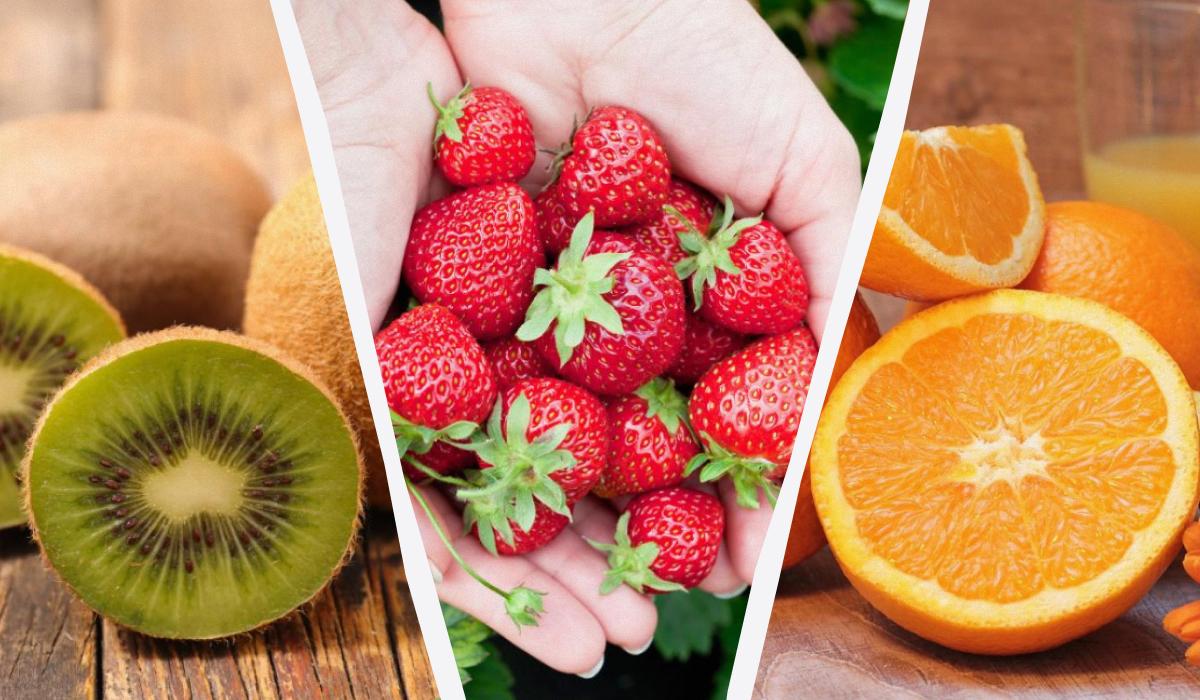
Eating certain nutrient-rich fruits can help the human body manage daily stress and anxiety levels, according to a report published by health outlet Verywell Health.
Stress and anxiety frequently disrupt more than just emotional balance. Elevated tension can impair sleep quality, drain physical energy, and degrade overall physical well-being. Incorporating targeted fruits into a daily diet provides the body with vital nutrients that bolster brain health, decrease internal inflammation, and promote restful sleep when stress levels rise.
While a balanced diet serves as a fundamental pillar of mental wellness, health experts emphasize that nutrition is only one part of a broader self-care strategy. Maintaining regular physical activity, securing adequate sleep, and seeking professional medical guidance when necessary remain essential components of comprehensive mental health care.
Nutritional Support for Mood and Sleep
According to data from the United States Department of Agriculture, kiwis are packed with vitamin C, antioxidants, potassium, and dietary fiber. Vitamin C plays a direct biochemical role in synthesizing serotonin and dopamine, key neurotransmitters responsible for regulating mood and mood stability. These chemical messengers help the body regulate its natural stress response and manage levels of cortisol, the primary human stress hormone produced during periods of strain.
Clinical research highlighted in the report revealed that individuals with a vitamin C deficiency who consumed kiwi on a daily basis experienced noticeable improvements in mood, vitality, and overall well-being. In some instances, participants reported positive shifts in their emotional state in as little as a few days. Furthermore, the combination of natural dietary fiber and melatonin found within kiwis can enhance sleep quality, providing crucial support for mental resilience and anxiety control.
Citrus and Berry Antioxidants
Oranges represent another powerful source of vitamin C that reinforces the body when responding to stressful circumstances. The fruit aids in reducing anxiety levels while uplifting daily mood. According to an article examining antioxidant compounds and the health benefits of citrus fruits, the anti-inflammatory and antioxidant properties of oranges help regulate how stress hormones react during difficult situations, while simultaneously strengthening the immune system.
In addition to vitamin C, oranges contain dietary fiber, essential B vitamins, and magnesium. These combined nutrients assist in maintaining stable blood sugar levels and soothing a reactive nervous system, preventing sudden spikes in stress.
Blueberries offer distinct mental health benefits through high concentrations of anthocyanins, a class of antioxidant compounds known to lower anxiety and stress while preserving cognitive function. Anthocyanins safeguard brain tissue against oxidative stress, diminish systemic inflammation, and enhance communication between individual brain cells. One study cited in the report found that a diet rich in antioxidants, particularly those supplied by blueberries, was associated with lower anxiety levels among postmenopausal women.
Bananas, Strawberries, Pomegranates, and Avocados
Bananas contribute directly to neurological health by supplying key B vitamins. A study focused on the role of bananas in mental health explained that B vitamins assist the body in synthesizing serotonin and dopamine. The combination of dietary fiber and natural carbohydrates in bananas ensures steady energy release, preventing rapid blood sugar drops that often trigger fatigue or irritability. Additional research suggests that eating bananas can help manage symptoms of anxiety and depression while sustaining baseline energy.
Strawberries deliver high quantities of vitamin C alongside potent antioxidants such as anthocyanins and ellagic acid. These active compounds counter oxidative stress and chronic inflammation, both of which can harm long-term mental and physical health. Evidence indicates that the specific antioxidants present in strawberries can help restore energy levels in individuals suffering from chronic stress or ongoing fatigue.
Pomegranates contain dense amounts of polyphenolic antioxidants that combat oxidative stress and cellular inflammation throughout the body. High levels of vitamin C in pomegranates further aid in elevating mood and tempering stress and anxiety. Initial scientific research indicates that the antioxidants and nutrients in pomegranates and pomegranate juice can activate physiological mechanisms linked to reduced anxiety and depression, while simultaneously protecting brain health and preserving cognitive abilities.
Although avocados are widely used as a culinary vegetable, they are technically classified as a fruit. Avocados are abundant in heart-healthy monounsaturated fats, magnesium, and dietary fiber. These nutrients work together to lower circulating cortisol levels and maintain steady blood sugar, fostering emotional stability and lessening anxiety. Because insufficient magnesium intake can heighten human susceptibility to stress, incorporating magnesium-rich fruits like avocados offers a practical method to reinforce the body against psychological pressure.
Dietary Approaches to Inflammation
The report notes that nutritionists previously compiled a guide featuring five of the healthiest fruits for reducing systemic inflammation in the human body. However, experts reiterate that fruit consumption represents just one element of managing inflammation and protecting mental wellness. A holistic approach requires combining a nutrient-dense diet with active physical movement, consistent sleep hygiene, and active stress management.
Health advisors also previously identified seven low-calorie foods that provide high levels of satiety to keep the body full, a list that specifically highlighted nutrient-dense vegetables such as broccoli and asparagus.


