

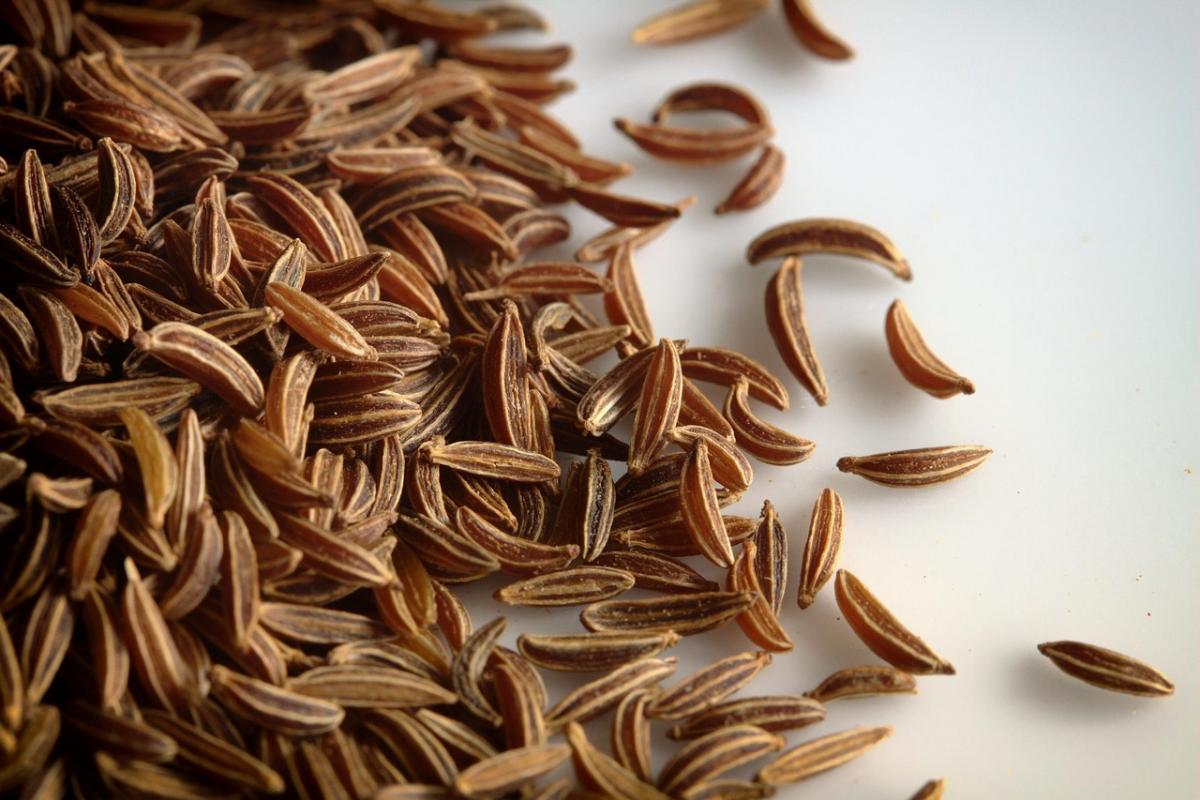
Scientists are examining whether cumin, a spice prized for its rich aroma and flavor, can influence blood sugar levels, according to a report by Verywell Health.
Some studies have found that cumin supplements can improve fasting blood sugar, HbA1c levels and insulin sensitivity, while other research has found no significant changes, according to an article examining cumin's effect on glycemic markers.
Overall, the evidence remains limited and the findings inconsistent. Studies have used varying forms and amounts of cumin, including powder and extracts. Many of the trials were small or short in duration, making it difficult to determine how much cumin might affect blood sugar or whether the results apply to people with diabetes or prediabetes.
Supplements versus spice in food
Most of the research involved concentrated cumin supplements rather than the small amounts of the spice added to meals, according to a review covering cumin's traditional uses, phytochemistry, pharmacology and clinical studies. That means even if supplements do affect blood sugar, the same effect would not necessarily apply to cumin used in everyday cooking.
Dosages and formulations also vary between supplements. Because no standard dose for lowering blood sugar has been established, it is difficult to say how much cumin might be beneficial. Supplements can also interact with medications or cause side effects, so anyone considering them, particularly alongside blood sugar-lowering drugs, should first consult a doctor.
What scientists say
Researchers are still studying exactly how cumin might affect blood sugar, and some of the current thinking is based largely on laboratory and animal studies. Cumin may contain compounds that act on enzymes involved in breaking down carbohydrates, which could potentially slow the rate at which glucose enters the bloodstream after eating.
The spice also has antioxidant and anti-inflammatory properties that could potentially support metabolic health, though this does not prove that eating cumin lowers blood sugar in people. Those with diabetes do not need to avoid cumin as a spice, but it should not replace prescribed treatment. Anyone on medication should continue taking it as directed and monitor blood sugar according to their doctor's guidance.
Building a better diet
For those aiming to better control blood sugar, the priority should be habits with stronger supporting evidence, according to the American Diabetes Association's Professional Practice Committee. That means building balanced meals with fiber-rich carbohydrates, protein, healthy fats and non-starchy vegetables. Regular physical activity can improve blood sugar control and insulin sensitivity, and adequate sleep also matters for metabolic health.
People with diabetes should keep taking prescribed medication and monitor their blood sugar as advised by their doctor. Cumin can still be used as a seasoning, added to roasted vegetables, beans, lentils, soups or whole grains, adding flavor without meaningfully raising sugar or carbohydrate content. For those with diabetes or prediabetes, overall eating patterns matter far more than any single food or ingredient.
Other spice research
Recent studies have found that black cumin seed extract may help combat obesity-related diseases, based on experiments in cell cultures and clinical trials in patients. Analysis has confirmed that black cumin seeds are rich in compounds with antioxidant and anti-inflammatory properties, including flavonoids and phenols.
Separately, a list of 10 herbs and spices rich in calcium has also been compiled, including sage, basil and thyme.


