

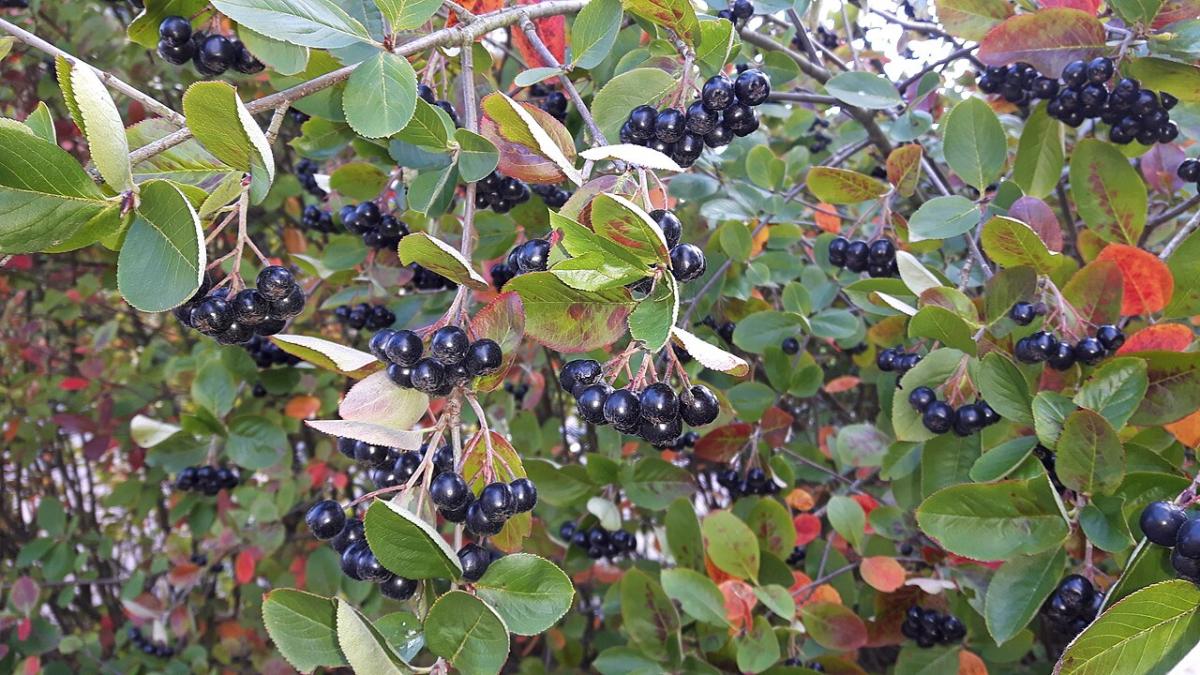
Aronia, a dark purple berry once used across Eastern Europe to make juices, jams and tinctures, is regaining attention from scientists after research found it contains more polyphenols, natural compounds that protect cells from damage, than blueberries, according to the Polish health outlet rynekzdrowia.pl.
The berry was widely popular decades ago before being displaced by exotic imported produce. It is now drawing renewed interest because of its high concentration of polyphenols, which give aronia its near-black colour and tart taste.
Polyphenol content higher than blueberries
A study by researchers at the Poznań University of Life Sciences in Poland, published in the journal Molecules in 2019, found that fresh aronia berries can contain more than 1,300 milligrams of polyphenols per 100 grams, making it one of the richest berries in these compounds.
The finding was reinforced by a 2024 review published in the journal Current Issues in Molecular Biology, whose authors reported that the total content of polyphenols, flavonoids and proanthocyanidins in aronia extracts is higher than in extracts of American blueberries.
The authors of that review calculated that aronia's antioxidant activity comes from roughly 40% proanthocyanidins, 24% anthocyanins, 18% hydroxycinnamic acids and 11% epicatechins. These compounds are said to help the body reduce oxidative stress, the process by which free radicals damage cells. It is this high antioxidant content that has led some to increasingly describe aronia as a superfood.
Possible effects on heart health
Researchers who analysed dozens of studies on aronia found that its compounds may help support heart function, maintain normal blood pressure, positively affect cholesterol and blood glucose levels, and reduce inflammation.
The 2024 review also cited a meta-analysis of clinical trials that linked daily intake of aronia extract over six to eight weeks with a significant reduction in systolic blood pressure and total cholesterol in adults.
Not a substitute for medicine
The authors of both publications stressed that aronia should not be regarded as medicine. Most of the research examined extracts or juices, and some of the studies were carried out on animals or under laboratory conditions rather than in humans.
Even so, the authors said aronia remains a berry with a rich nutritional profile that can form part of a healthy diet, and could serve as an accessible alternative to more popular superfoods.


