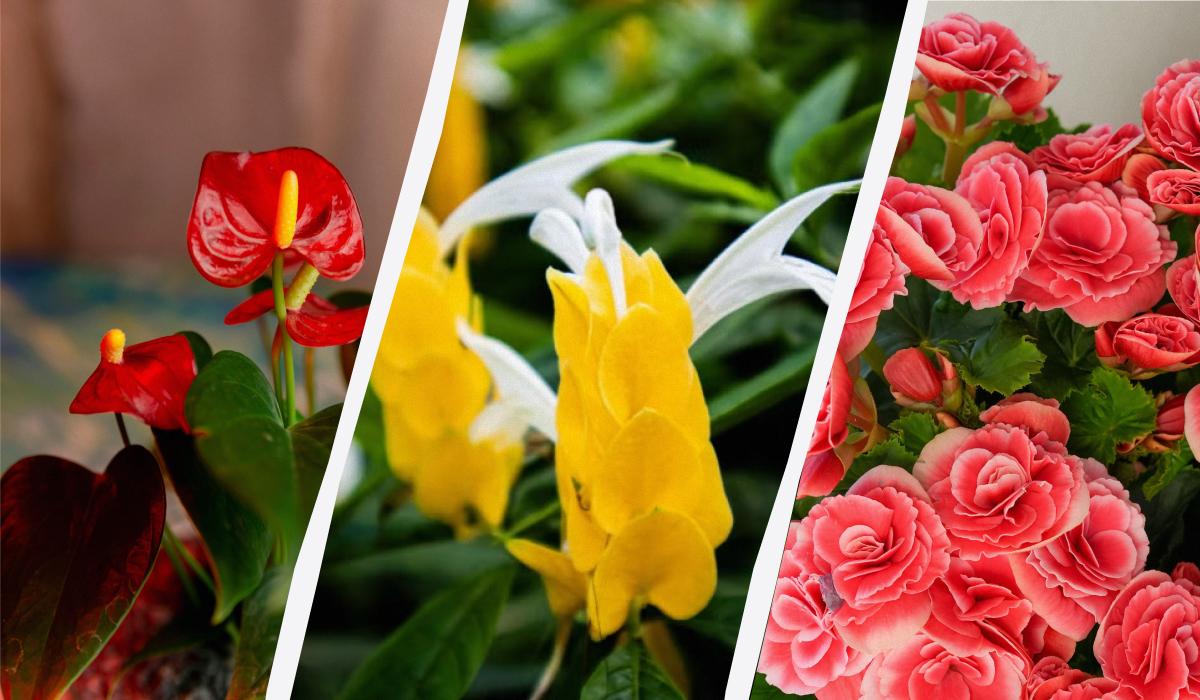
Seven species of indoor plants can produce flowers for nine to eleven months of the year if they receive specific light, temperature and watering conditions. While no plant blooms completely without interruption because a resting period is required to form buds, many varieties will maintain their displays for most of the year. The success and duration of the flowering cycle rely entirely on the growing conditions and the care provided by the owner.
Seven widely available plants offer large buds, a wide variety of colours, and relatively straightforward care requirements for home growers.
Spathiphyllum
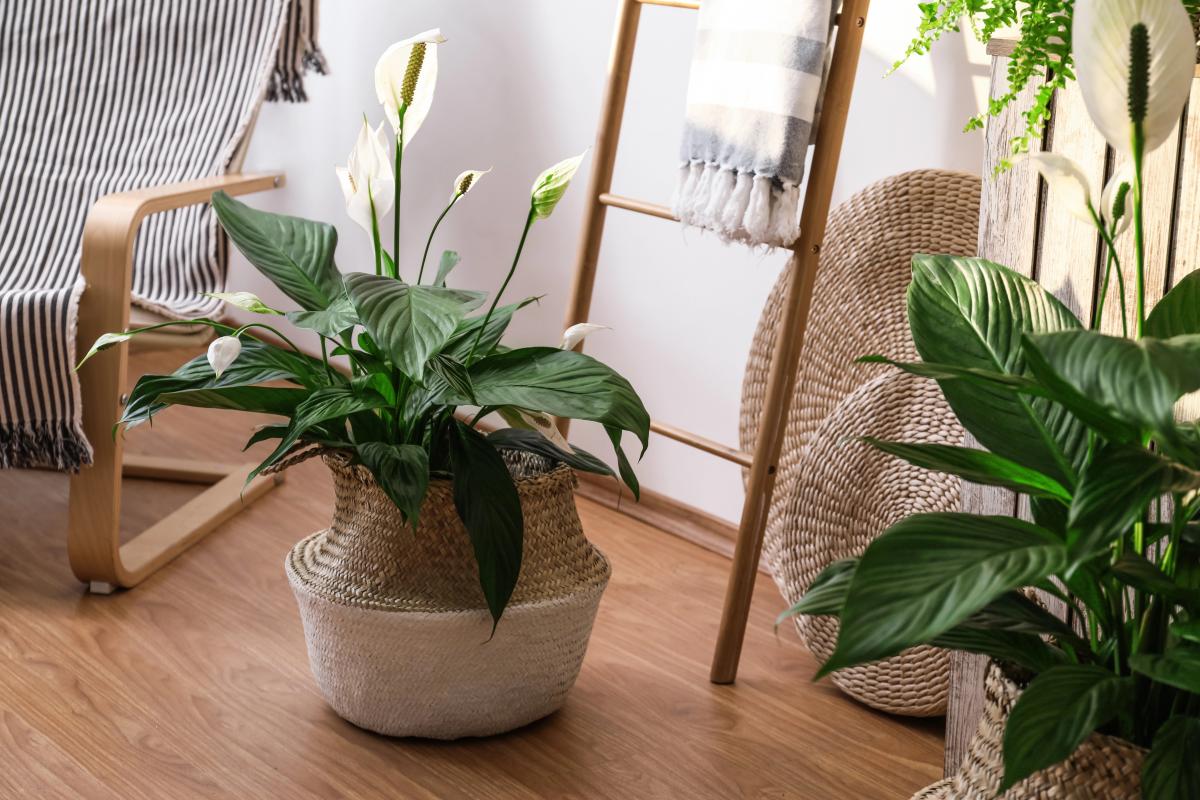
The lush spathiphyllum is widely known as one of the least demanding houseplants, making it suitable for beginners in indoor gardening. Commonly referred to as the peace lily, this plant originates from the tropical regions of the Americas and Southeast Asia. It features large white flowers and does not require a large amount of sunlight, meaning it can grow successfully in darker apartments.
However, achieving year-round blooms requires more careful attention. The shrub needs bright but diffused lighting, a stable warm temperature without drafts, and regular watering once the soil has dried. Growers should select a tight pot for this plant. The spathiphyllum is also recognised for its ability to filter common pollutants from indoor air.
Anthurium
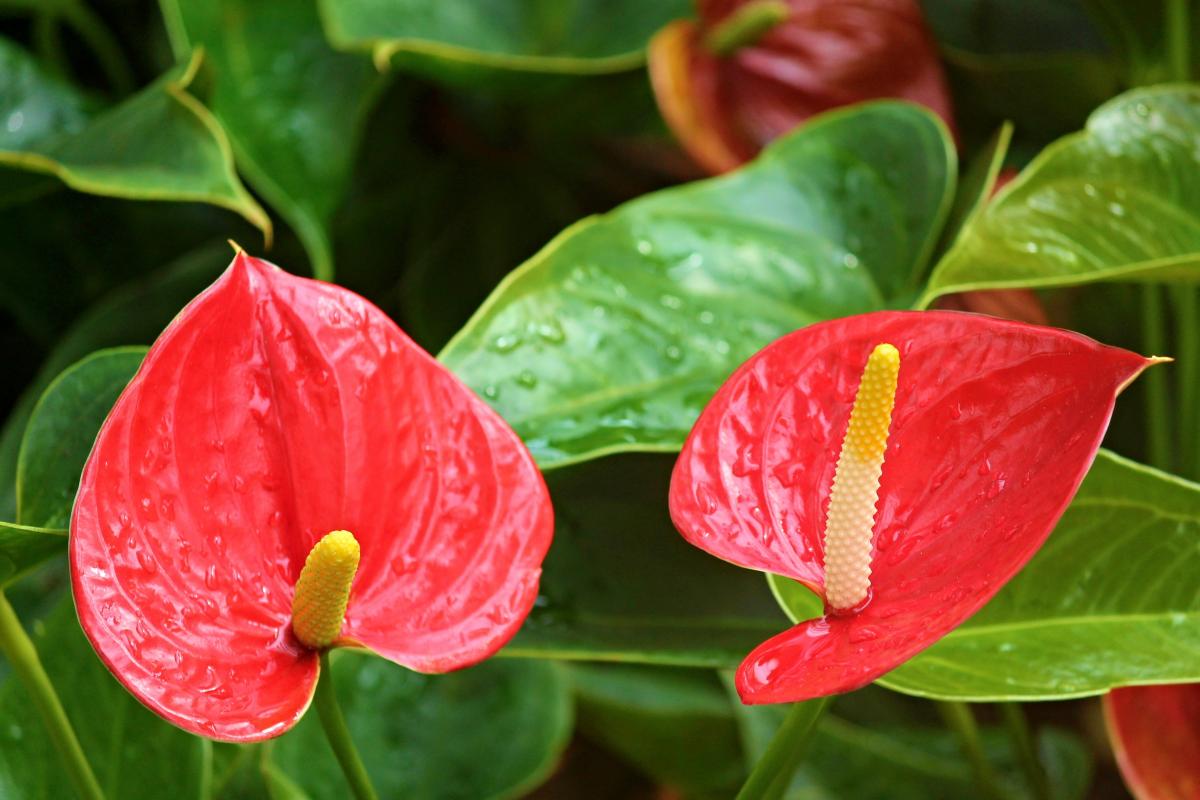
The anthurium is an excellent candidate for continuous indoor flowers. The plant is native to tropical environments, meaning it thrives in bright diffused light, heat, and high humidity. Commonly called the flamingo flower, the plant produces distinctive bright blooms that are actually modified leaves called spathes, designed to attract pollinators in the wild.
Each bud on the anthurium opens for approximately two months. With proper care, the buds will regularly replace one another, creating the impression of an endless blooming process. Red is considered the classic colour for anthuriums, although the plant is also available in white, pink, green, purple, and black.
Saintpaulia
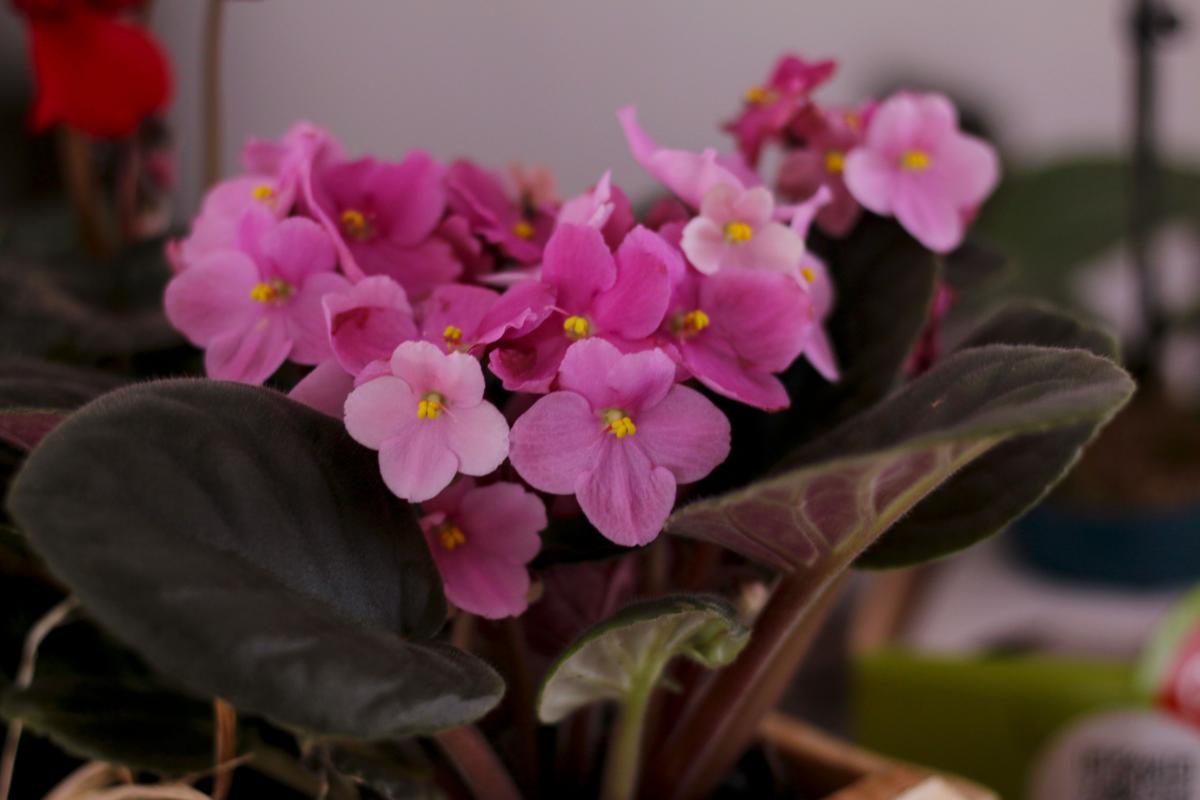
The African violet, or saintpaulia, is available in almost every colour of the rainbow due to the sustained efforts of plant breeders. The shape of the buds can also vary widely, ensuring the plant remains visually interesting for the owner. Originally found in eastern tropical Africa, the African violet is generally undemanding but reacts poorly to change.
Owners should avoid moving or repotting the plant frequently. Saintpaulia can bloom for nearly eleven months of the year when supported by artificial lighting during the winter. It prefers stable heat and regular watering. Growers should use warm water when watering this plant to avoid shocking its root system.
Pachystachys
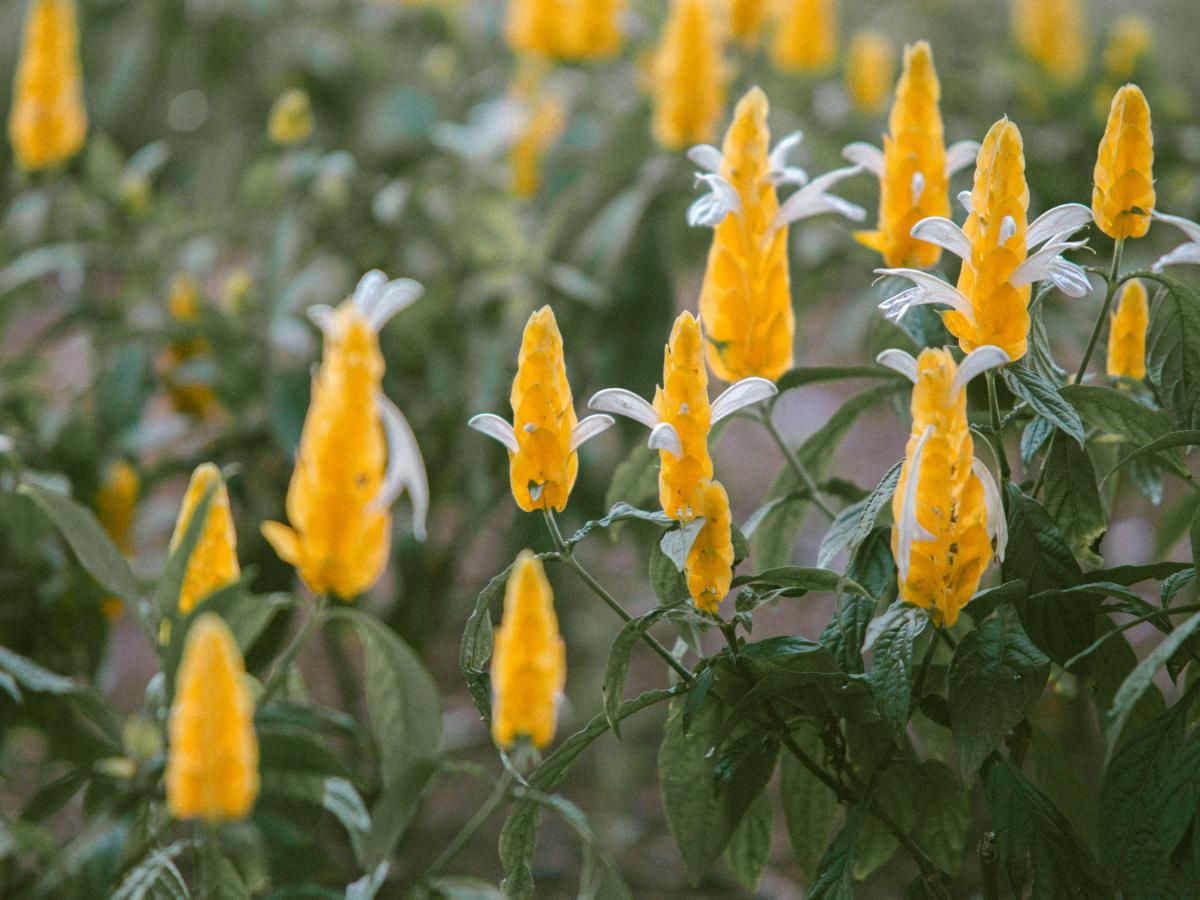
The evergreen pachystachys produces striking yellow flowers shaped like candles. Commonly known as the golden shrimp plant, this unusual species brings a tropical feel to an indoor room. The natural flowering period typically lasts from February to October, although it can continue for longer under the right conditions.
Pots intended for year-round blooming must be placed under bright diffused light, and the soil must be kept slightly moist at all times. Pachystachys benefits from having its leaves sprayed with warm water to replicate the humidity of its native subtropical environment. Growers are advised to shorten the plant's shoots every spring to encourage bushier growth.
Geranium
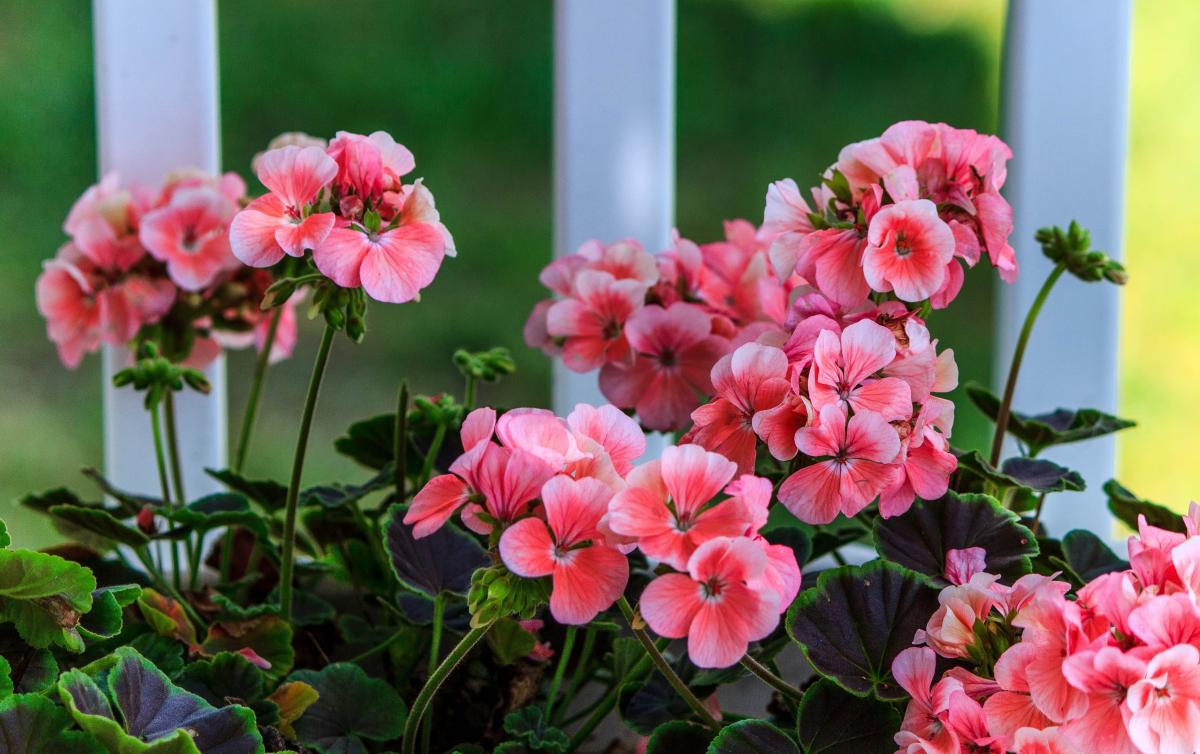
The geranium is a classic houseplant that can bloom continuously for months, entering a state of rest for only a couple of months at a time. Indoor geraniums, typically belonging to the pelargonium genus native to Southern Africa, are very simple to care for and propagate.
To encourage the plant to produce buds for an extended period, it should be placed on the brightest window available. Owners should use a grow light to supplement the natural lighting during the winter months. The pot requires mineral fertiliser once a month to support the constant growth. The geranium should only be watered after the top layer of soil has completely dried out.
Begonia
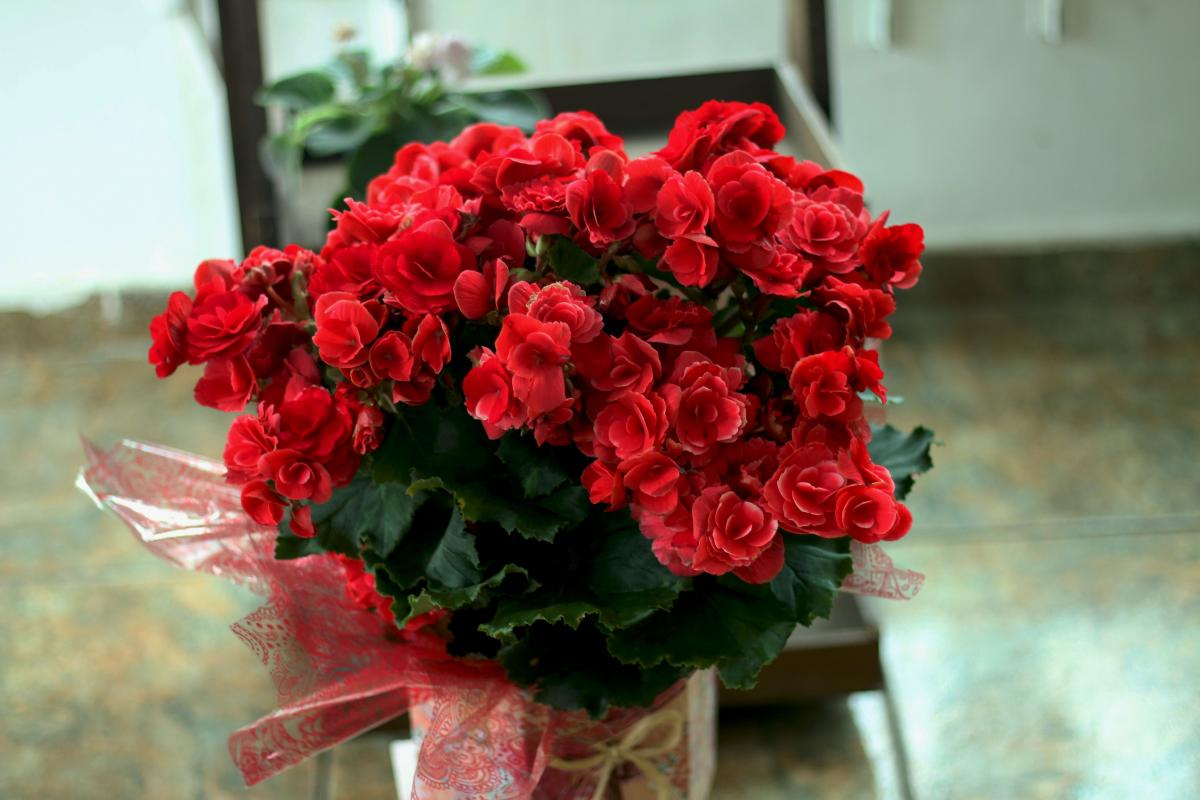
The everblooming begonia, as its name suggests, is a reliable choice for continuous indoor flowers. The begonia genus includes thousands of species native to moist subtropical and tropical climates. The plant features a large number of voluminous flowers that make even small bushes look visually lush.
Begonias are available in white, pink, yellow, red, or orange. The plant should be placed on the brightest window, but it must be protected from direct sunlight during the summer months. Growers must water the begonia only after the soil has dried to a depth of two centimetres. Any excess water must be drained away immediately, as the plant does not tolerate overwatering.
Lantana
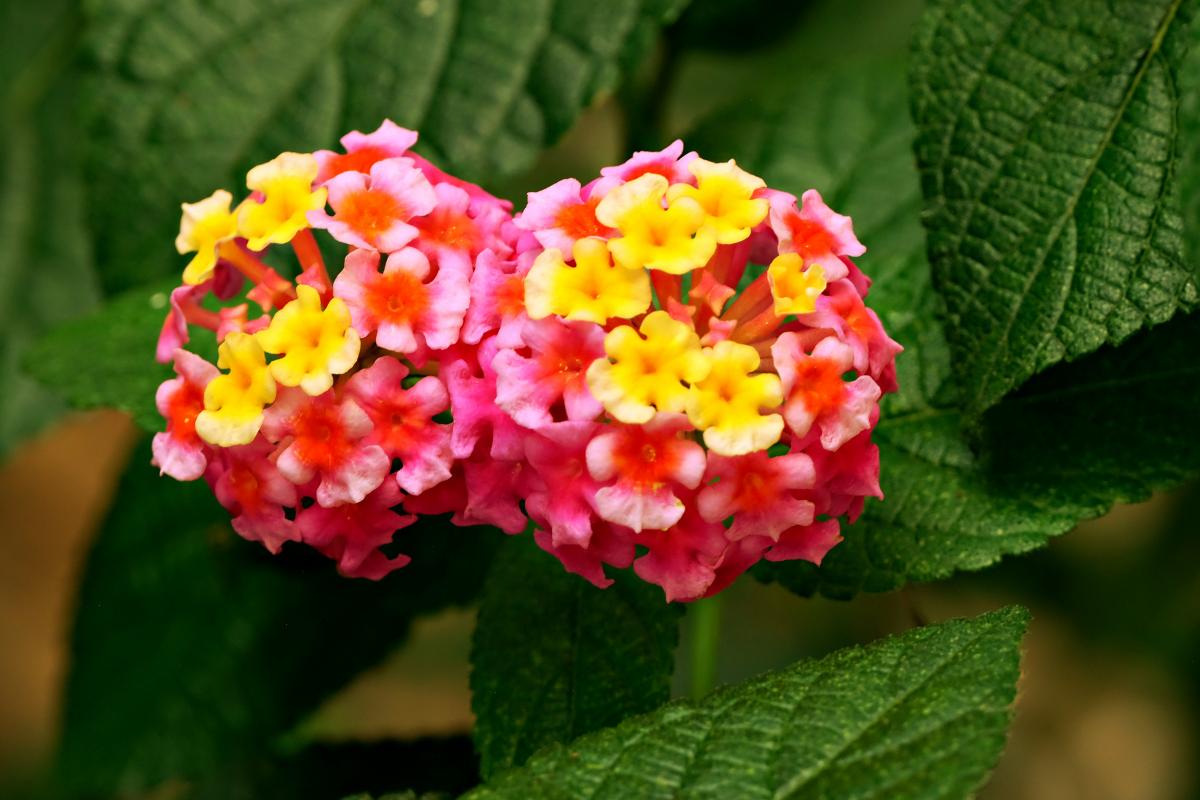
The evergreen lantana is distinguished by its incredible two-tone umbrella flower clusters. The plant is often called a chameleon because the flowers change colour as they age, making it an interesting plant to observe. Native to the tropical regions of the Americas and Africa, lantana requires specific conditions for prolonged flowering.
The plant needs at least eight hours of light every day, temperatures no lower than 20 degrees Celsius, regular watering, and high humidity. Wilted buds must be removed immediately to encourage new growth. When the leaves are touched, the lantana releases a sharp and unpleasant odour as a defence mechanism. Growers are therefore advised to wear gloves when pruning or repotting the flower.