

Wildlife has moved back onto the site of the former Rocky Flats nuclear weapons plant in Colorado after federal remediation crews demolished more than 800 buildings there, according to The Pulse. The outlet also reported that the remains of what it described as a "wetland dweller" were found at the site.
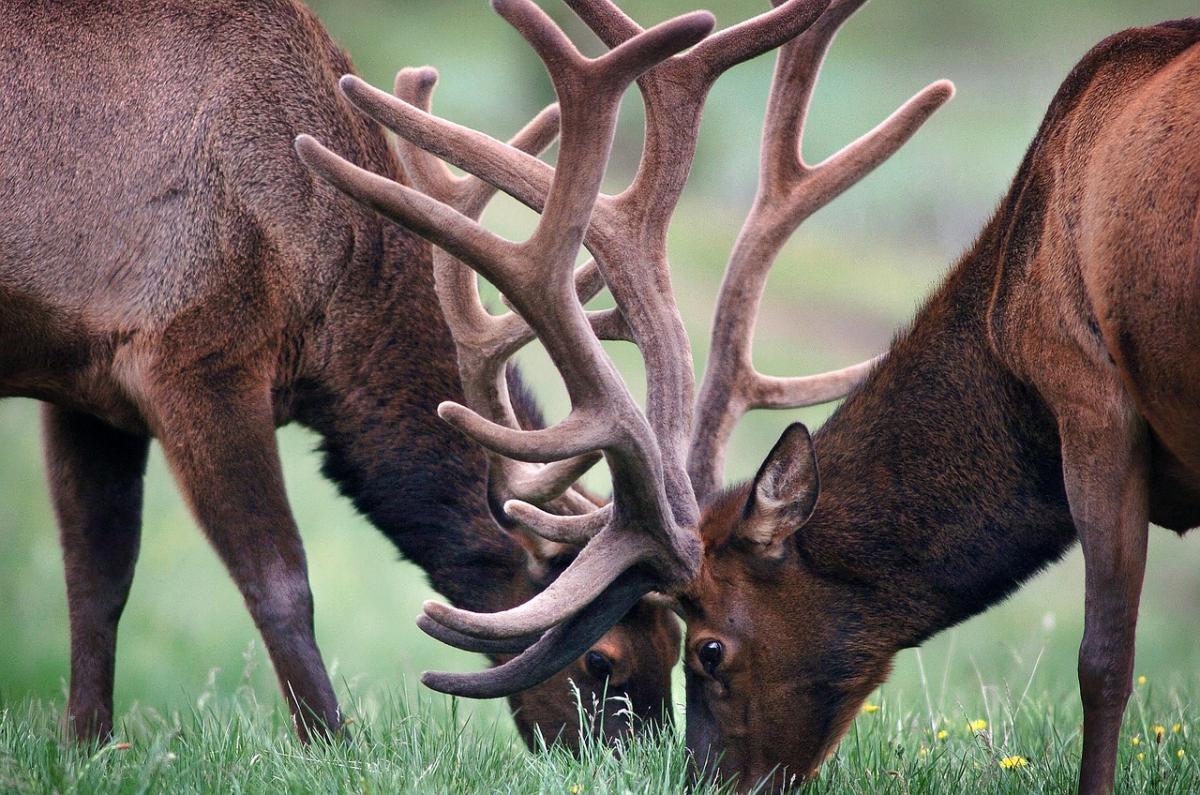
A growing herd of elk relocated to the former industrial site, drawn by new grazing grounds that opened up as vegetation began recovering once the demolition work was finished.
The animals soon caused problems of their own, damaging field monitoring equipment used to track the site's environmental recovery. Engineers responded by installing small fences around the instruments so monitoring could continue without disturbing the elk.
For decades, the Rocky Flats plant produced components for nuclear weapons, primarily plutonium warheads, at a set of specialized facilities. After production stopped, federal agencies carried out a large-scale cleanup to safely decommission the site, demolishing hundreds of buildings and removing millions of cubic feet of waste.
Areas once used for treatment facilities were covered with a clean, fertile layer of soil and seeded with native grasses. The restoration of open prairie attracted wildlife to what is now a refuge, and hundreds of elk have since made the former nuclear site their primary habitat.
Monitoring equipment protected from elk damage
Long-term compliance with environmental regulations requires ongoing monitoring, and sensitive field instruments are placed across the site. The long-term effectiveness of the cleanup is assessed using automated water samplers and solar-powered telemetry devices.
Physical contact with the elk herd repeatedly caused equipment and power infrastructure failures. Members of the local herd damaged instruments by repeatedly tripping over guy wires attached to the tripod of a telemeter used to measure surface water conditions.
Removing the monitoring stations or rerouting the animals' movement proved impractical, so engineers came up with a plan to protect the equipment directly.
According to the article, staff installed a small fenced perimeter around the equipment, which successfully stopped further interference. The compact fences were enough to keep large animals away while still protecting wiring, solar panels and control components. The design still allowed rain and air to reach the sensors during both normal operation and extreme weather.
Data collection resumes without interruption
The fencing solution proved effective, and the elk avoided physical contact with the protected equipment while still moving freely around the site. Vegetation around the fences also stabilized over time as the animals learned to go around the stations.
With the physical obstacles removed, automated sampling stations resumed continuous transmission of environmental data. The Department of Energy reported that data collection on water flow and sediment levels continued without interruption, and that the site's isolation systems remain reliable.
The site's 2025 annual report confirmed there were no surface water problems at monitoring points located away from the plant, though one temporary issue requiring registration did occur at an internal assessment point and was resolved the following month. Atmospheric monitoring is no longer part of the site's active monitoring program.
Officials said the localized fencing was an elegant solution to a conflict between wildlife and regulatory compliance, adding that all stakeholders were satisfied. Fencing off large areas of land, they said, would have undermined the reintroduction of native wildlife to the site.
"The current monitoring program confirms environmental safety at Rocky Flats," officials said, according to the article. "This demonstrates how minor infrastructure changes can protect measuring equipment in wildlife habitats at former industrial sites."


