A new documentary about the American photographer Richard Avedon, directed by Ron Howard, began streaming on Netflix on November 11. The film, titled "Avedon," had its premiere at the 2026 Cannes Film Festival before its release on the platform.
Howard, an Oscar-winning filmmaker, has built a parallel career over the past decade directing documentaries about figures he admires, including the opera singer Luciano Pavarotti, the puppeteer Jim Henson and the band the Beatles. He is best known for directing feature films such as the 1995 disaster drama "Apollo 13," the biographical drama "A Beautiful Mind," the holiday comedy "The Grinch" and the 2006 thriller "The Da Vinci Code." With "Avedon," he turns his camera toward one of the most influential photographers of the 20th century.

Richard Avedon's life behind the camera
Richard Avedon was born in New York in 1923 and received his first camera at the age of 10. As a boy, he photographed the composer Sergei Rachmaninoff, who was at the time a neighbor of his grandparents. He kept the same camera with him when he served in the United States armed forces during the Second World War, working as a second-class photographer's assistant in the Navy.
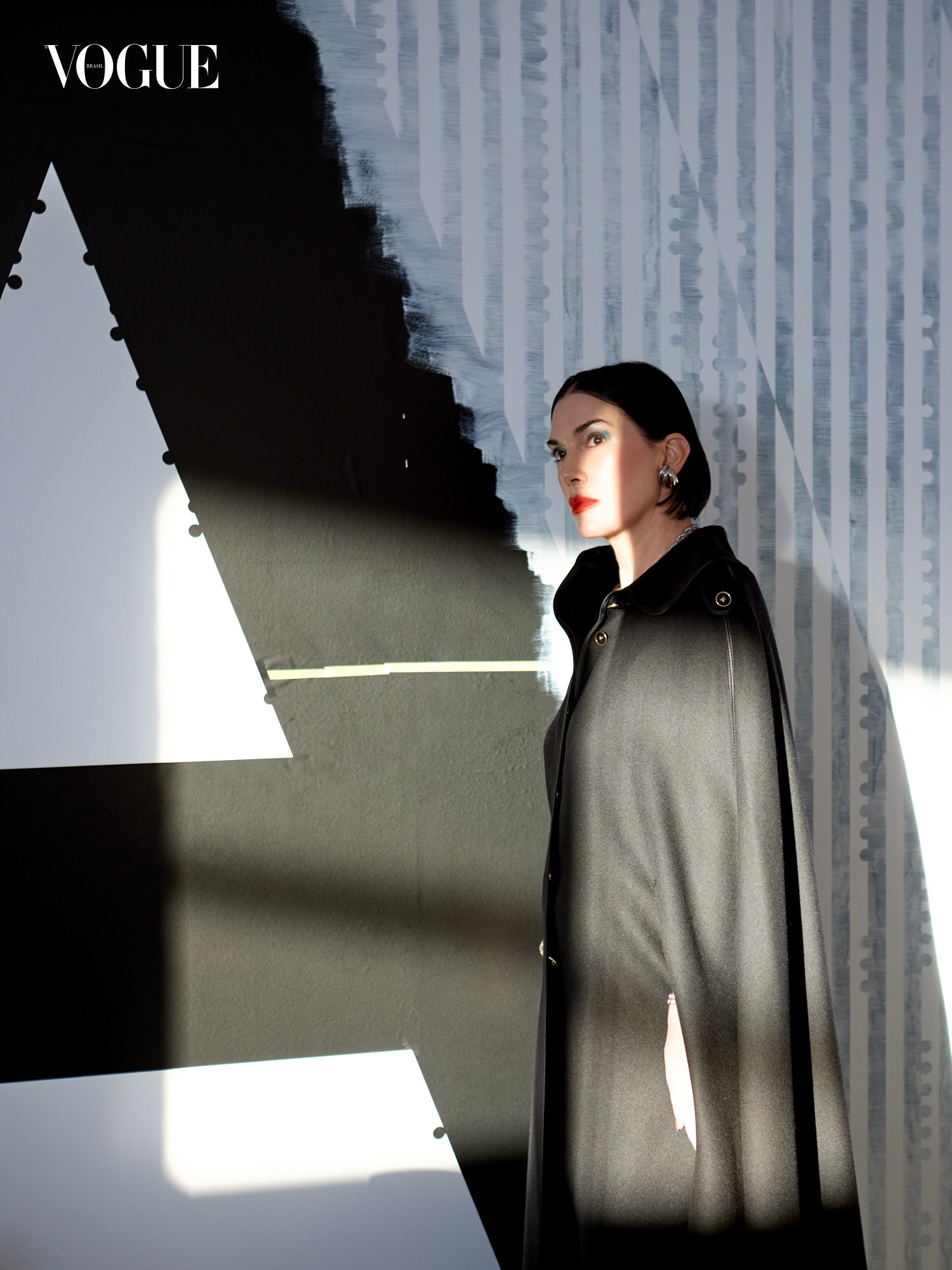
After the war, Avedon got his start as an advertising photographer for a New York department store. His career changed direction when he met Alexey Brodovitch, the art director of Harper's Bazaar. Avedon joined the magazine before opening his own studio and gradually overturning the conventions of fashion photography. In 1966, he began a collaboration with Vogue alongside the editor Diana Vreeland.
Beyond fashion photography
According to the documentary's framing, reducing Avedon to his fashion work alone would miss the point. Where portrait photography often favors posed, still images, Avedon pursued movement, emotion and the moment a personality revealed itself. His lens turned toward film stars and presidents as readily as toward ordinary people, the marginalized and figures of protest.
He photographed civil rights activists, opponents of the Vietnam War and people confronting mental illness, documenting a society in the midst of change, with all its complexity and contradictions. Over more than six decades, Avedon photographed the faces, places and upheavals of his era.
Howard said he was deeply intrigued by people who manage to create masterpieces again and again throughout their lives, a fascination with creativity and its persistence that found, in Avedon's career, a subject equal to his ambitions.
Built from Avedon's own archives
To explore Avedon's legacy, Howard drew on a rich body of material: the photographer's personal archives, previously unpublished images, intimate behind-the-scenes footage and new interviews with his closest collaborators. The documentary was made in association with the Richard Avedon Foundation.
The film aims to go beyond a simple retrospective to get as close as possible to the artist's personality, his working methods and his view of the world. Howard said that behind Avedon's body of work lies a genuine philosophy, and that over the course of his research he came to see how, for Avedon, photography went beyond artistic exercise to become a way of approaching existence.
Howard said the discovery affected him in a way he had not expected, because he began to realize how much his own films had shaped him over the years, just as much as he had shaped them.
"Avedon," directed by Ron Howard, is now available on Netflix.