Italian fashion house Dsquared2 is pushing back against the industry trend of quiet luxury with provocative, maximalist runway presentations at Milan Fashion Week.
Founded by Canadian twin designers Dean and Dan Caten, the Milan-based label has built its creative identity on theatrical excess, entertainment, and spectacle rather than conforming to minimalist restraint. While much of the fashion world has embraced subtle discretion in recent years, the brothers maintain that fashion must preserve the freedom to play, exaggerate, and provoke.
The push toward unapologetic maximalism arrives after multiple seasons dominated by neutral palettes, understated tailoring, and discreet branding. Quiet luxury, characterized by muted tones and logo-free garments, emerged as the dominant commercial aesthetic across high fashion. In response, design houses like Dsquared2 are mounting a counter-reaction, arguing that audiences and critics are growing exhausted by safe, predictable collections designed primarily for commercial convenience.
The late British designer Alexander McQueen, who stood as one of the defining creative transgressors of early 2000s fashion, famously stated that fashion should not be politically correct, warning that it could never be revolutionary if it conformed to safe expectations. Dsquared2 embraced that rebellious ethos during the same era and continues to apply it today as a foundational principle of its runway collections.
Challenging Quiet Luxury at Milan Fashion Week
Dean and Dan Caten have consistently refused to ask for permission to command attention, turning theatrical excess into their most recognizable creative signature. Their approach stands in sharp contrast to the conventional standards of good taste shared by fellow Milan Fashion Week regulars, including Giorgio Armani, Ferragamo, and Ermanno Scervino.
Milan Fashion Week, organized by the Camera Nazionale della Moda Italiana, is traditionally celebrated for tailored precision and classical Italian elegance. While historic fashion houses emphasize understated sophistication, Dsquared2 approaches the catwalk as a site of entertainment and cultural disruption. The Canadian founders view provocation not as a marketing gimmick, but as an essential element woven directly into the creative DNA of their house.
Critics and industry commentators have expressed concern that the widespread embrace of quiet luxury risks turning contemporary dressing into a bland, uniform aesthetic. That development has produced an unexpected paradox in modern fashion: the harder people attempt to dress distinctively through understated minimalism, the more identical they end up looking.
To break through that visual monotony, Dsquared2 positions itself as an essential aesthetic counterweight. The label seeks to restore individual liberty, playful experimentation, and genuine excitement to an industry that increasingly prioritizes commercial safety over creative daring.
Theatrical Catwalks and Pop Culture Spectacle
Catwalk presentations staged by Dean and Dan Caten function as elaborate theatrical performances rather than conventional clothing displays. For their spring-summer 2025 collection, the designers transformed the runway with dancers performing inside metal cages, dramatic red lighting, and vivid stylistic tributes to 1980s underground nightlife.
Sensuality and black leather remain central pillars of the Dsquared2 visual vocabulary, regularly drawing inspiration from the homoerotic artwork of Finnish illustrator Tom of Finland. The label also frequently integrates popular culture figures directly into its runway shows, featuring actor Hudson Williams, known for his performance in the television drama series Mas que rivales, during a presentation earlier this year.
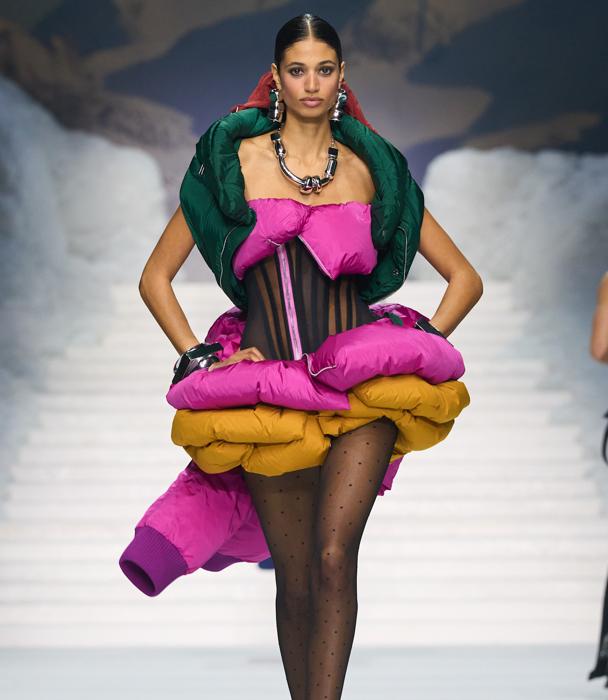
The house maintained that creative momentum at Milan Fashion Week with its autumn-winter 2026 collection, delivering a presentation that captured widespread industry attention. The runway wove together the founders' Canadian roots, romantic motifs, and popular culture references through a distinct queer lens, uniting seemingly incompatible aesthetic codes into a confident statement of intent.
Storytelling Traditions from Tom Ford to John Galliano
The deliberate embrace of runway drama places Dsquared2 in a storied lineage of European fashion disruptors who prioritized spectacle over convention. During the 1990s, American designer Tom Ford revitalized the historic Italian house Gucci by introducing an audacious, sexually charged glamour that shattered the brand's conservative leather-goods heritage.
A similar creative revolution unfolded at Christian Dior under British couturier John Galliano, who made historical fantasy, drama, and runway theatricality inseparable from the Parisian couture house. Both Ford and Galliano approached fashion as narrative storytelling rather than a mere sequence of commercial garments, a philosophy that the Caten brothers continue to champion in Milan.
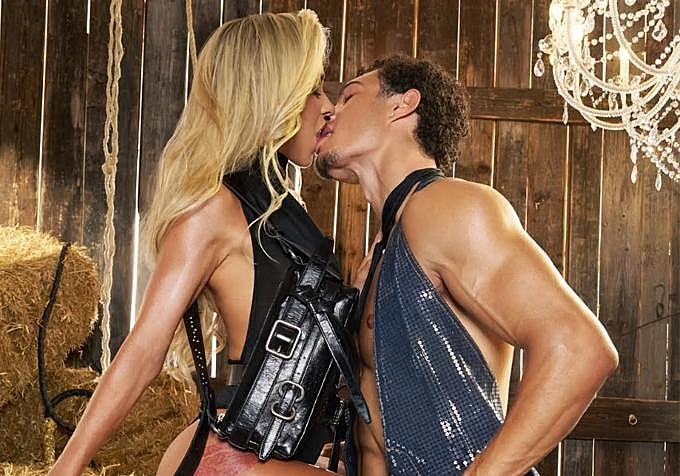
That commitment to narrative extends directly into the brand's advertising campaigns and visual projects. In its latest promotional campaign, Dsquared2 spotlighted Spanish music star Bad Gyal alongside her boyfriend, American model Noah Brown, celebrating bold personal expression and youthful magnetism.
The Creative Purpose Behind Provocation
Maximalism in this context functions as both an answer to corporate uniformity and a celebration of the pleasure of dressing up without adhering to rigid rules. By championing vibrant self-expression over absolute discretion, Dsquared2 appeals directly to an audience that values individuality over quiet conformity.
While provocation provides designers with artistic freedom to explore sensuality and pop culture, industry analysts note an inherent risk across the fashion landscape. The commercial fashion system frequently turns rebellion into a predictable marketing aesthetic, ultimately normalizing and diluting the very ideas that were originally intended to challenge social conventions.
Because of that dynamic, observers stress the necessity of distinguishing between superficial controversy engineered solely for sensational headlines and provocative design rooted in authentic artistic purpose. Dsquared2 has maintained its relevance across decades by anchoring its exaggerated aesthetic in a coherent creative universe rather than fleeting shock tactics.
As the international fashion industry remains preoccupied with constant novelty, the presence of designers capable of unsettling audiences and challenging norms remains indispensable. The enduring spectacle of Dsquared2 suggests that excess is far more than a temporary trend, raising the fundamental question of whether true luxury lies in polite conformity or in the courage to dress exactly as one desires.