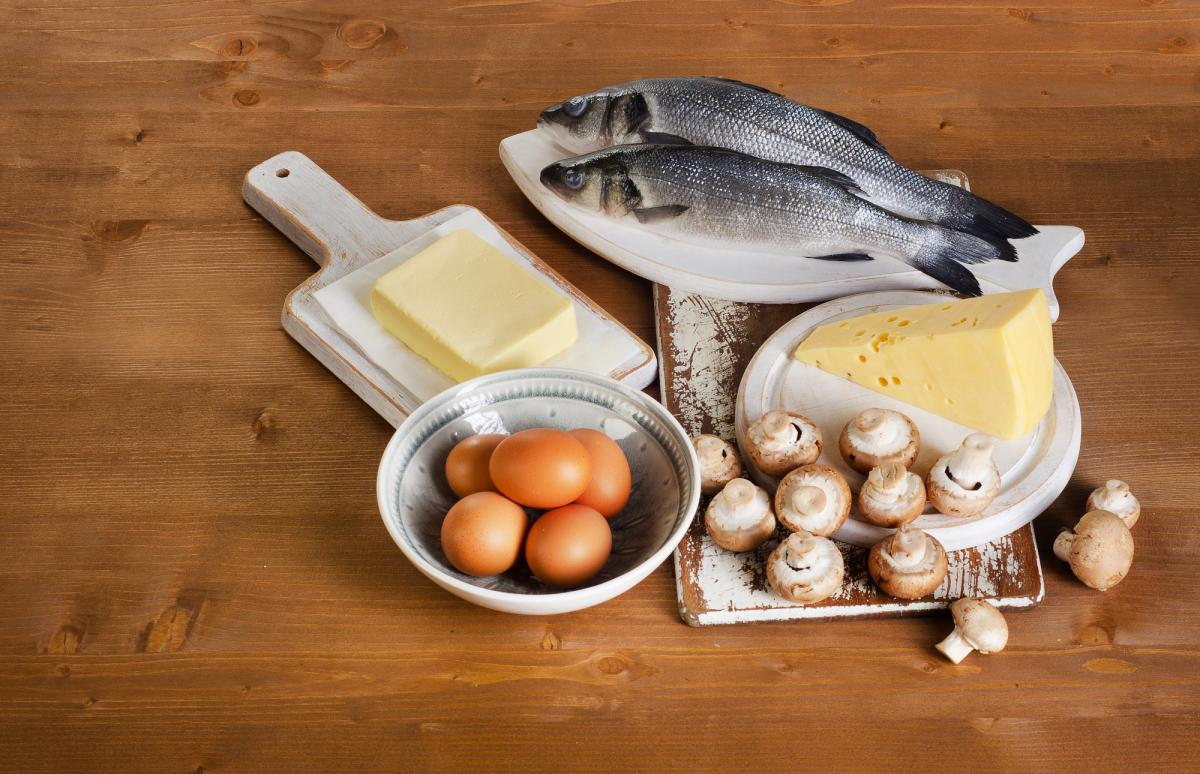
Nutritionists writing for Martha Stewart have identified five key foods rich in vitamin D to help adults prevent common dietary deficiencies. The recommendations come as experts estimate that approximately half of all healthy adults face a deficiency in the essential nutrient.
Vitamin D plays a critical role in human health by allowing the body to absorb calcium, supporting normal immune system function, and helping maintain mood stability. For adults aged 19 to 70, the recommended daily allowance is about 600 International Units (IU), equivalent to 15 micrograms. That requirement increases to 800 IU, or 20 micrograms, per day after the age of 70. While supplements remain an option, nutritionists advised incorporating whole food sources into daily diets.
Mushrooms and Fatty Fish
Mushrooms offer a versatile plant-based source of vitamin D, particularly varieties exposed to sunlight or ultraviolet radiation. That exposure triggers a natural chemical process that converts ergosterol inside the fungus into active vitamin D. Depending on the species and cultivation conditions, a single serving of mushrooms can yield anywhere from a small trace to over 1,000 IU of the nutrient. Mushrooms also provide essential B vitamins and protective antioxidants.
Fatty fish species represent some of the highest natural concentrations of vitamin D available in food. Salmon, mackerel, herring, sardines, and trout rank among the top sources highlighted by nutritionists. An 85-gram serving of cooked Atlantic salmon provides approximately 447 IU of vitamin D, while a serving of canned sardines delivers about 178 IU. These fish are also rich in omega-3 fatty acids and high-quality protein, with species consumed alongside their bones supplying extra calcium.
Fortified Dairy, Eggs, and Liver
Fortified milk serves as another accessible dietary source, as processors in several countries enrich dairy products with extra nutrients. A single glass of fortified milk contains about 100 IU of vitamin D alongside calcium, protein, phosphorus, potassium, and vitamin B12. Nutritionists noted that vitamin D is especially vital in this combination because the body requires it to absorb calcium and maintain bone strength.
Egg yolks and beef liver contain smaller concentrations of vitamin D but deliver other important nutrients. One egg yolk holds approximately 20 IU of vitamin D, accompanied by choline, unsaturated fats, and antioxidants such as lutein and zeaxanthin. Meanwhile, an 85-gram serving of beef liver provides roughly 3.4 IU of vitamin D. Despite its lower vitamin D count, beef liver carries high overall nutritional value as a rich source of protein and vitamin A, which supports eye health and vision.
Additional Dietary Insights
The guidance builds on previous nutritional reports highlighting key dietary choices for long-term wellness. Earlier reports showed that nutritionists unanimously agreed on the top beverage for managing high blood pressure. Experts noted that the drink contains potassium and antioxidants, with potassium helping the body flush out excess sodium that adversely affects blood pressure levels.
Separately, eye care specialists previously recommended 10 specific foods designed to preserve vision. Ophthalmologists advised individuals to consume diets rich in omega-3 fatty acids, zinc, and antioxidants to support eye health over time.