Nepalese military forces have rescued more than 2,500 survivors following a devastating flash flood along the Nepal and Tibet border, high-ranking army officials said.
Speaking from a field staging area on Saturday, a senior officer of the Nepalese army told Portuguese publication Correio da Manhã that troops on the ground counted approximately 800 fatalities. The military estimate exceeds the official government tally, which stood at 675 dead and 2,400 missing, including three Portuguese nationals.
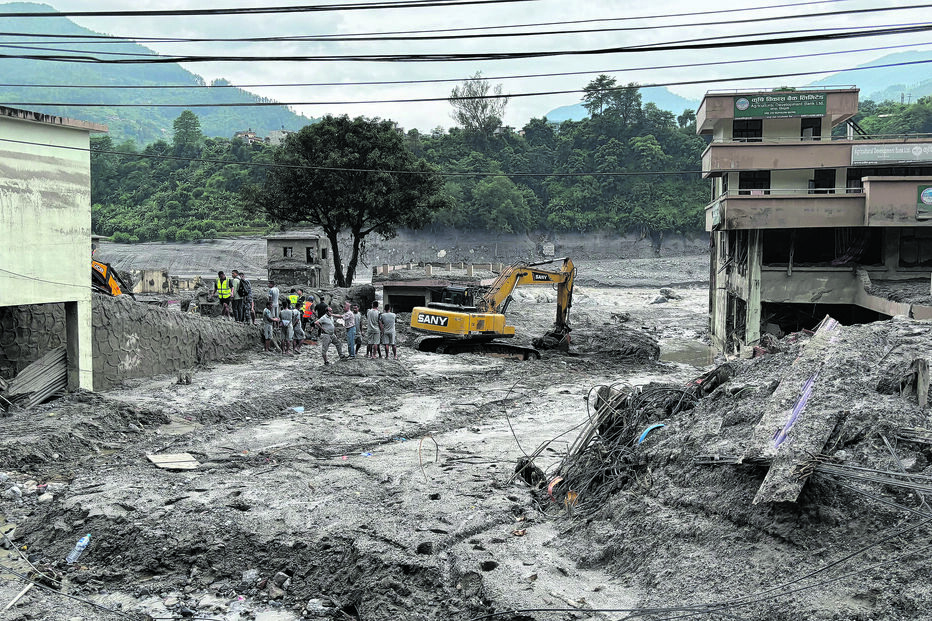
The military commander cautioned that the true scale of the disaster remains uncertain, noting that thousands of residents are unaccounted for and suggesting the final count of missing persons could reach 3,000.
Helicopter Rescue Operations
Emergency crews established a temporary base fitted with a landing strip for 15 rescue helicopters to access remote mountain settlements. Aircrews are completing dozens of sorties each day to evacuate entire families from devastated zones and transport vital assistance to isolated communities.
The flood disaster began on Wednesday when a massive surge of water swept across a broad territory along the international border between Nepal and Tibet. The sudden inundation overwhelmed local infrastructure, leaving airlifts as the primary means of delivering food, medical supplies, and relief equipment.
Himalayan Mountain Geography
Nepal shares its northern boundary with Tibet, an autonomous region of China located on the high Tibetan Plateau. The Himalayan border area features extreme elevation changes, steep river valleys, and isolated mountain villages where ground transport links are sparse.
The Nepalese Army functions as the country's main defense force and frequently takes the lead in large-scale disaster response operations. Operating aircraft in high-altitude environments requires specialized maneuvers due to unpredictable winds, thin air, and narrow mountain corridors.
Consular Tracking and Foreign Emergency Response
When foreign citizens are caught in international natural disasters, diplomatic services track missing persons reports through national foreign affairs departments. Portuguese authorities monitor updates from emergency channels regarding the three missing Portuguese nationals identified in the official government records.
Search and rescue operations remain active as helicopter crews maintain high-frequency flight schedules from the makeshift base to locate survivors and distribute emergency supplies across the border zone.