

UNESCO added the Rock Mosques and Associated Sacred Sites of Mangystau in western Kazakhstan to its official World Heritage List in 2026.
The designation includes five sacred sites alongside large burial complexes carved directly into the rocks. The historical monuments were developed between the 12th and 18th centuries and remain closely linked to Sufi teachers who taught across Central Asia.
The five recognized holy sites are Beket-Ata, Shopan-Ata, Karaman-Ata, Shakpak-Ata, and Sultan-Epe. Each location features structures formed within natural rock faces, representing centuries of regional spiritual tradition.
Ancient Sufi sites in limestone cliffs
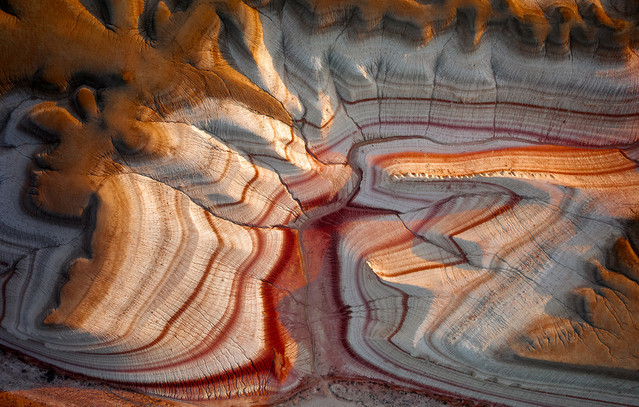
Situated on the western edge of Kazakhstan between the Caspian Sea and the Ustyurt Plateau, Mangystau displays one of the most unusual landscapes in Central Asia. The region features vast open expanses, steep cliffs, and strange geological formations that resemble a science fiction setting.
Among the most impressive locations is Bozzhyra, situated on the western rim of the Ustyurt Plateau. Its distinctive white and greyish rock formations stand out within the arid environment, serving as one of Mangystau's primary natural attractions.
Spherical rocks and ancient ocean geology
Another distinct area is Torysh, widely known as the Valley of the Balls. The site contains large, nearly spherical rock formations scattered across the terrain.
According to the official tourism website of Kazakhstan, these round rock formations are connected to geological processes that took place on the seabed of an ancient ocean. Over millions of years, natural forces shaped the minerals into spherical structures that define the local topography.
Coexistence of heritage and wild landscapes
The coexistence of these ancient sacred sites with the wild geological environment makes Mangystau unique. Nature and human history do not merely exist side by side in the region, but form part of the exact same landscape.
For travellers seeking experiences beyond conventional tourist routes, Mangystau offers a rare setting. The desert environment, distinct geology, and preserved cultural heritage come together to create a landscape that appears almost unreal.


