

Slovenia's Vipava Valley has emerged as an affordable Mediterranean travel alternative, offering historic vineyards, five-pound wine, and mountain views without Provence crowds.
The fertile valley lies in western Slovenia, positioned directly behind northern Italy and beneath the southern slopes of the Julian Alps. While the landscape shares the warm climate, stone villages, and olive groves of southern France, it remains largely unvisited by international crowds. Slovenia itself spans just over 20,000 square kilometres, making travel between its Alpine peaks and coastal plains unusually fast.
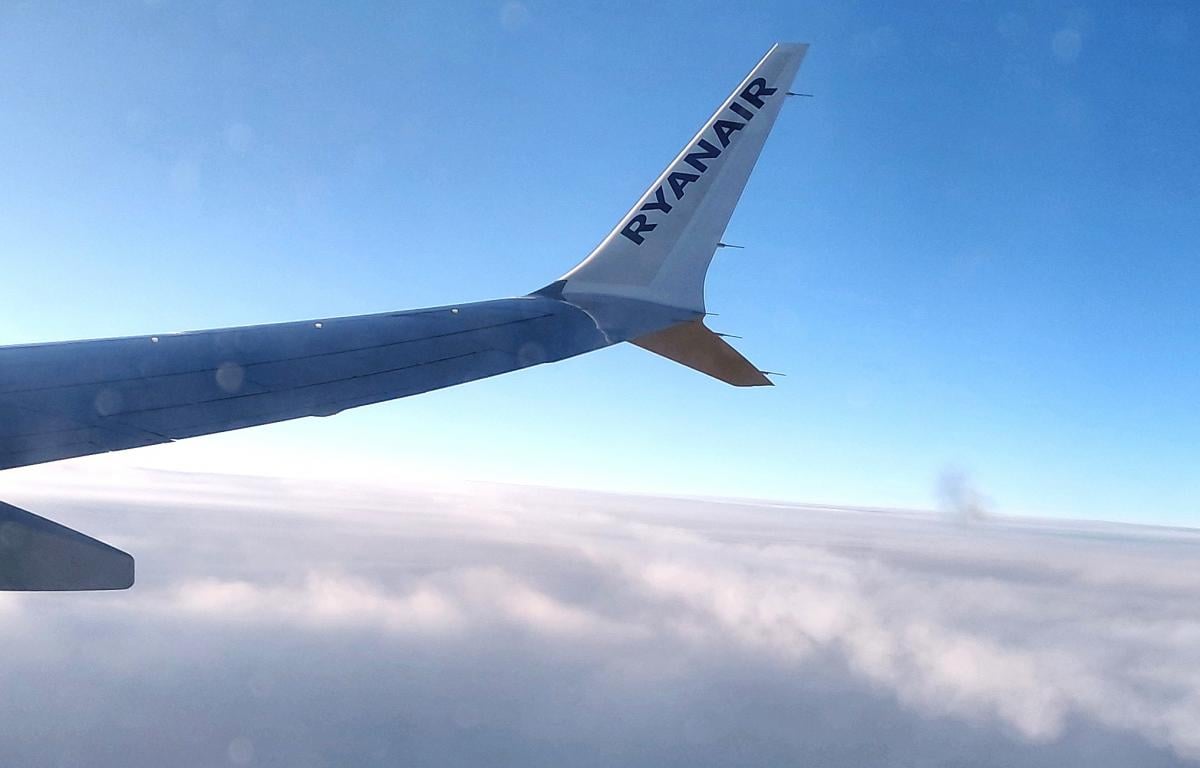
The region also serves as a compact travel hub within Slovenia, where most major destinations sit within a two-hour drive. Both Ljubljana Airport in central Slovenia and Trieste Airport across the Italian border are located under two hours away by car, with each airport receiving direct two-hour flights from the United Kingdom.

Habsburg Heritage and Ancient Vineyards
The valley has a long agricultural legacy under Central European imperial rule. The Habsburg dynasty administered the region for centuries as part of the Austro-Hungarian Empire, officially nicknaming the sheltered territory their imperial garden.
Sunlit mountain slopes continue to produce abundant harvests of cherries, figs, and peaches. Local tour guide Jani noted that even small banana plants ripen along the sunny terraces, calling them "stupid little bananas."
Winemaking in the basin has been recorded for at least 2,000 years, establishing the territory among the oldest active viticultural areas in Europe. Ancient Roman agricultural settlements first planted vines across the valley floor, creating a viticultural tradition that survived through the medieval era under Venetian and Austrian control.
Local vineyards continue to cultivate rare indigenous grape varieties found almost nowhere else on Earth. The most prominent varieties include zelen, a crisp white wine grape named after the Slovenian word for green, and pinela, a perfumed white grape variety preserved by regional growers.

Seasonal Weather and Wine Celebrations
Travellers planning a visit must account for distinct seasonal weather shifts. During the winter, the valley experiences the fierce burja, a powerful katabatic wind blowing off the high karst plateaus. Recorded wind speeds have reached 146 miles per hour, forcing local residents to weigh down their Mediterranean-style terracotta roof tiles with heavy stones.
High summer brings severe heat to the valley floor. Guide Jani described midsummer temperatures as "horrible," explaining that he warns Dutch visitors cycling through the August heat by telling them, "You are crazy!" Travel is recommended between March and June or in early autumn, when conditions remain mild.
At the end of May, the municipal centre of Vipava hosts the annual Festival of Okusi Vipavske, translated as the "Flavours of the Vipava." During the event, the valley namesake town dedicates itself entirely to viticulture, inviting visitors to purchase a wristband and an etched glass to tour historic courtyards.
Festival stalls pour local vintages including chilled zelen and zesty malvazia as families and children gather at dusk. Bottles of quality regional wine sell across the valley for as little as £5, maintaining a reputation for unpretentious winemaking and accessible pricing.

Historic Fortifications and Mountain Dining
Day tours across the surrounding hills include stops at Vipavski Kriz, a fortified village perched on a high mountain crest. Regional authorities fortified the community with heavy stone walls to defend against Ottoman armies, and an artillery cannonball fired by Napoleonic troops remains embedded in a local wall.
Vipavski Kriz also features a distinctive microclimate created by its ridgeline position. Air currents split around the hill, allowing agricultural workers on one side of the settlement to cultivate apples while orchards on the opposite slope produce oranges.
Regional dining traditions draw upon game from the surrounding forests. At Gostilna pri Lojzetu, a 17th-century manor house operating as a Michelin-starred restaurant, dinner courses include Slovenian bear ragu, served as a dark, rich, and gamey stew.
The dish relies on wild bears culled under national wildlife management programmes to control animal numbers. Guests can take glasses of regional pinot noir onto the restaurant Italianate roof terrace, which looks out over the battlefield where Christian Roman emperor Theodosius defeated pagan forces in AD 394 at the Battle of the Frigidus.

Alpine Rivers and Karst Caverns
Beyond the vineyards, the valley provides direct access to outdoor destinations across northern and southern Slovenia. An hour to the north lies the Soca River, noted for its vivid turquoise water and fresh pink trout.
The surrounding mountain passes formed part of the Isonzo Front during the First World War, where intense fighting between Italian and Austro-Hungarian forces caused an estimated one million casualties. The area now serves as a recreation hub for kayakers, canyoneers, and rock climbers, while paragliders launch from mountain ridges where First World War trenches sit directly atop prehistoric Bronze Age hillforts.
Forty minutes south of the valley, the UNESCO World Heritage site of the Skocjan Caves features one of the largest known underground river canyons in the world. Inscribed on the UNESCO list in 1986, the vast karst limestone network was carved over millennia by the sinking Reka River. Visitors follow subterranean paths past roaring underground canyons where the river disappears into the earth, creating an accessible natural spectacle for families.
Tour operators provide dedicated packages for British travellers looking to explore the region. Regent Holidays runs a five-day "Vipava Valley Food and Wine Escape" from £1,415 per person, including return flights and bed-and-breakfast accommodation. Independent travellers can find further route details, accommodation listings, and vineyard guides through the regional tourism board at vipavskadolina.si.