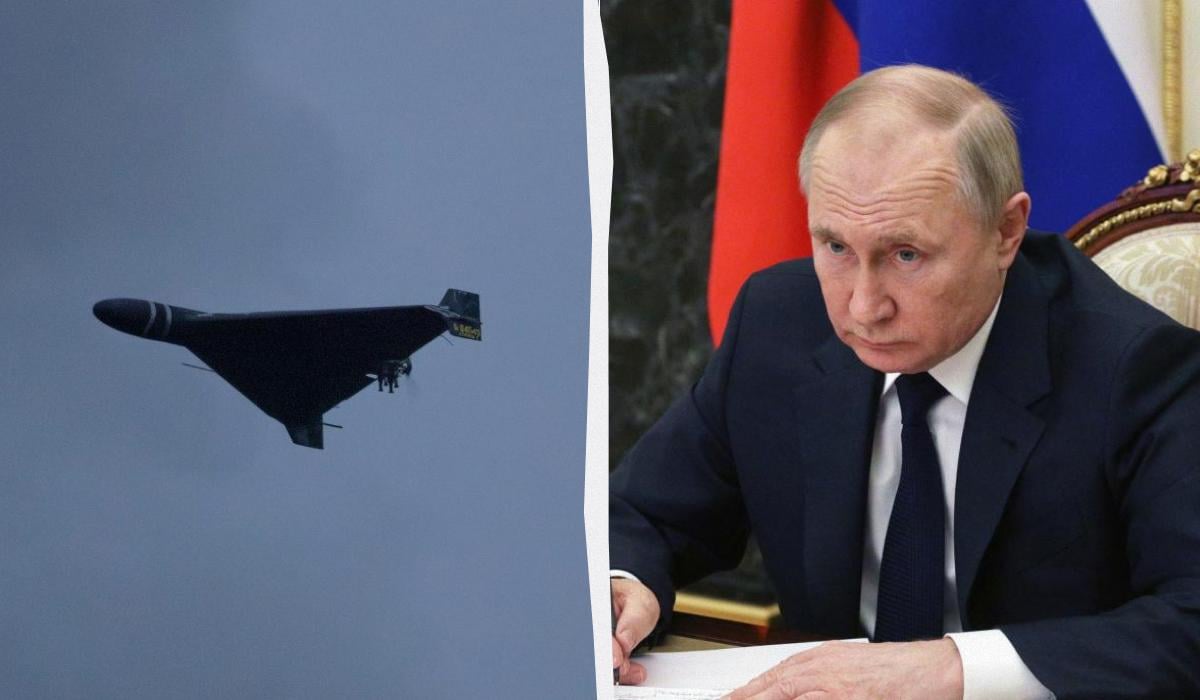
Russian forces launched a record number of kamikaze drone attack waves against Kyiv on Thursday as Moscow abruptly altered its aerial strike tactics, Ukrainian officials reported.
Air raid sirens sounded in the Ukrainian capital for 872 minutes, or nearly 15 hours, marking the longest duration of alerts the city has experienced since the early days of Russia's full-scale invasion. By the morning of August 28, eight additional air raid alerts were issued in Kyiv as Russian strikes continued across the capital and surrounding areas overnight.
The previous record for daily sirens in the capital occurred on March 1, 2022, when authorities declared 12 separate air raid warnings in a single day. Ukrainian diplomats noted that sirens blared repeatedly throughout Thursday as Russian units launched small groups of unmanned aerial vehicles toward the city in rapid succession.
Kyiv, a metropolis of nearly three million people situated along the Dnieper River, has remained a primary target for Russian long-range bombardment since Moscow launched its full-scale invasion of Ukraine in February 2022.
Shift in Russian strike tactics
The defense news outlet TWZ reported that Russia has shifted its operational priority from the scale of individual barrages to the frequency of attacks. Typical Russian mass strikes rely on launching large numbers of missiles and drones simultaneously to overwhelm air defenses and maximize immediate damage.
By contrast, the new pattern of continuous, smaller drone waves indicates Moscow may be attempting to exhaust the local population, disrupt commercial trade, and drain Ukrainian air defense interceptors over an extended timeframe.
The Ministry of Foreign Affairs of Ukraine confirmed that Russian forces dispatched small groups of drones in repeated waves throughout the day, keeping defense forces on constant alert and forcing residents to seek shelter for hours at a time.
Impact on civilian population
Iryna Terekh, general director of Fire Point, said the shift in tactics represents a deliberate effort to wear down civilian resolve. Fire Point is a major Ukrainian defense company that manufactures the FP-1 and FP-2 reconnaissance and strike drones, as well as the Flamingo long-range cruise missile.
Terekh stated that Russian forces have long employed similar tactics against frontline settlements to destroy infrastructure and eliminate opportunities for normal life. She explained that the underlying objective is to push Ukrainians into despair, provoke internal division, foster mistrust, and prevent citizens from celebrating personal moments or military achievements on the front line.
A former senior Ukrainian military officer offered a similar evaluation, noting that Russian commanders intend to inflict relentless psychological pressure, spread fear, worsen food shortages, demoralize the public, and spark widespread panic.
However, the retired officer suggested that the strategy is unlikely to succeed because it comes too late in the conflict. He noted that the intensified bombardment could backfire on Moscow by deepening public anger, hatred, and resolve against Russian forces. He added that the surge in strikes might align with recent escalation threats issued by Russian President Vladimir Putin.
Broader conflict and frontline developments
The Ukrainian news agency UNIAN reported that despite growing economic and military challenges, Putin shows no signs of abandoning his war objectives. Kremlin messaging continues to assure the Russian public that victory remains achievable and that Ukraine's strategic position is deteriorating.
Meanwhile, military analysts monitoring ground operations warn of ongoing pressure along the eastern front in the Donetsk region. One expert indicated that Ukrainian defense forces could face severe pressure in key urban strongholds over the coming months, predicting that the frontline city of Chasiv Yar could fall to Russian forces between late September and early October, with further territorial losses possible by the end of 2026.