

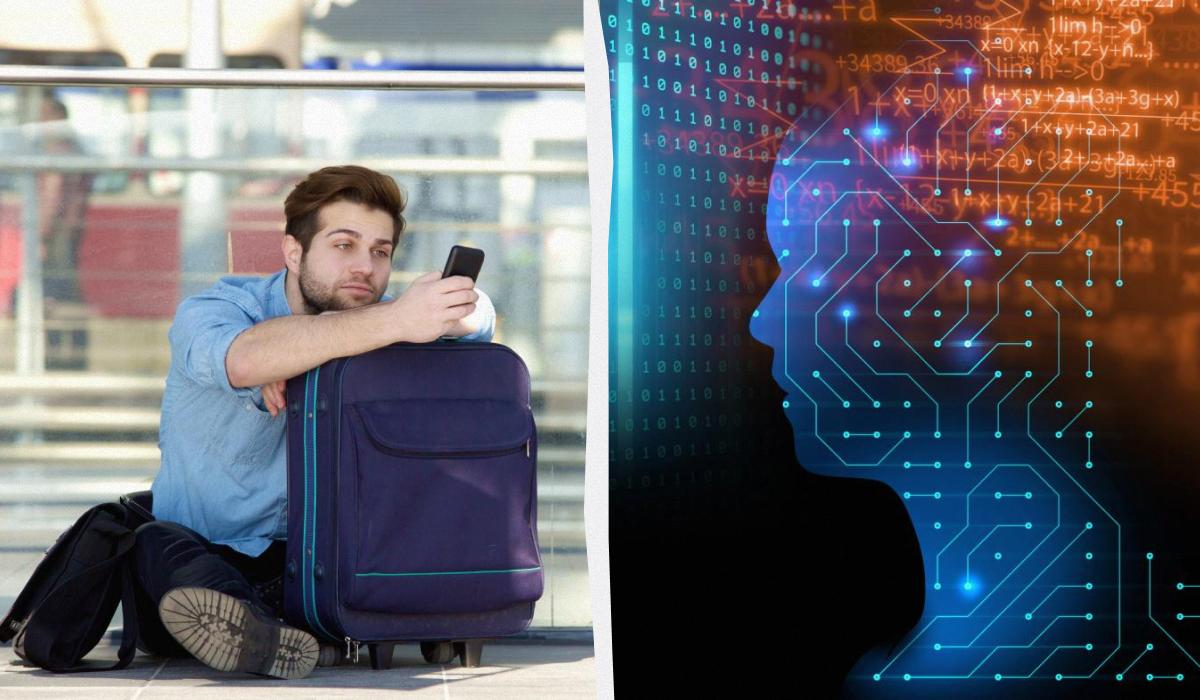
Hilton research shows most holidaymakers trust hotel staff over artificial intelligence when planning vacations, using digital tools only as initial starting points.
The Hilton 2027 Trends study revealed that 70 percent of surveyed travellers place their trust in hotel employees during trip planning, compared to 63 percent who rely on artificial intelligence tools when making decisions.
However, trust in digital tools drops significantly when artificial intelligence is asked to handle more complex or nuanced travel tasks. Only 22 percent of respondents said they were willing to trust artificial intelligence to build a personalized itinerary tailored to their specific interests.
Furthermore, just 20 percent of holidaymakers trust artificial intelligence to select restaurants or bars, while only 18 percent rely on automated tools to discover lesser known local attractions or entertainment options.
Trust gap in digital travel planning
Authors of the report noted that travellers embarking on trips frequently seek information that goes beyond automated algorithms. Guests regularly ask whether a restaurant lives up to online praise, which neighbourhood boasts the best atmosphere, and where local residents actually choose to spend their time.
Researchers emphasized that recommendations from concierges and hotel staff are not derived from automated data collection. Instead, advice from hotel workers represents years of local experience and intuitive understanding of what suits an individual guest.
Industry analysts highlighted that the optimal approach for travellers involves combining both resources. Holidaymakers can utilize artificial intelligence tools for rapid search capabilities while relying on recommendations from real people as a reliable backup.
Generational differences in technology adoption
Attitudes toward artificial intelligence in travel vary significantly by generation. Millennials, born between 1981 and 1996, proved to be the most receptive age group to recommendations provided by digital tools.
Millennials led all demographic groups in their willingness to trust artificial intelligence for trip planning. Within this cohort, 26 percent trust digital systems to construct itineraries, 23 percent rely on them to choose restaurants, and 23 percent use them to generate travel ideas.
In contrast, representatives of the Baby Boomer generation, born between 1946 and 1964, consistently favour human experience. Boomers rely primarily on travel agents and hotel personnel across a wide range of trip decisions.
Family trust and loyalty status experts
Despite the rise of digital options, family members remain the single most trusted source of travel advice overall, cited by 87 percent of respondents. Partners and spouses top the list of trusted advisers at 51 percent, followed by siblings at 16 percent and mothers at 13 percent.
Generational dynamics also influence family advice patterns. Among Baby Boomer parents, 29 percent identified their adult children as their primary source of travel recommendations. Meanwhile, Gen Z travellers born between 1997 and 2012, who represent the first generation raised entirely in a digital environment, turn to their parents for trusted travel advice twice as often as Millennials do.
Trust in travel recommendations extends beyond immediate family and friends. Holidaymakers are increasingly paying attention to points-maxxers, individuals who have demonstrated expertise in managing hotel and airline loyalty programs.
Study authors noted that holding high elite status within a loyalty program serves as a sign of credibility. It signals that a person travels frequently, understands system mechanics, and knows how to access benefits that others might overlook, creating a new category of trusted advisers outside of traditional celebrities or social media influencers.
Regional trends and hospitality background
Travel planning preferences also show clear regional variations. Chinese travellers lead globally in adopting artificial intelligence, with 35 percent intending to use general artificial intelligence services and 21 percent planning to use specialized travel planners.
In the United States, hotel staff remain the primary source for trustworthy recommendations. American travellers frequently seek human advice, with 26 percent consulting hotel staff for dining recommendations and 25 percent asking staff to help locate interesting, lesser known local sights.
Hilton Worldwide Holdings Inc. is an American hospitality company that operates a global network of hotels, resorts, and vacation properties. Hotel concierges and front desk staff have historically played a central role in guiding visitors through local dining, entertainment, and cultural destinations.
While digital planning applications continue to expand across the travel sector, current findings suggest holidaymakers view artificial intelligence as a starting mechanism rather than a complete replacement for human expertise on the ground.


