


Haus Labs Chief Product Officer Gloria Ryu has warned that adding skincare ingredients to foundations is often marketing unless formulas are engineered correctly.

Speaking in a recent interview with BeautyMatter, Ryu explained that combining makeup and skincare requires advanced hybrid formulas, specialized raw materials, and dedicated manufacturing techniques. She noted that incorporating functional skincare active ingredients into foundation can easily compromise essential makeup qualities by altering texture, finish, color, scent, and overall product stability.
She emphasized that when treatment makeup is formulated properly it truly matters, but when it is not executed well, the active ingredients serve merely as marketing. She added that simply finding a recognized cosmetic ingredient on a label does not explain what it will actually do for the skin unless it is integrated without ruining coverage, wear time, or finish.
Haus Labs was founded by American singer, songwriter, and actress Lady Gaga, launching as Haus Laboratories before rebranding to focus on high-performance clean cosmetics. The rise of hybrid beauty products comes as consumers increasingly look for items containing active ingredients such as hyaluronic acid, niacinamide, peptides, and ceramides to hydrate skin, unify tone, and conceal imperfections in a single step.
Formulation Hurdles in Hybrid Makeup
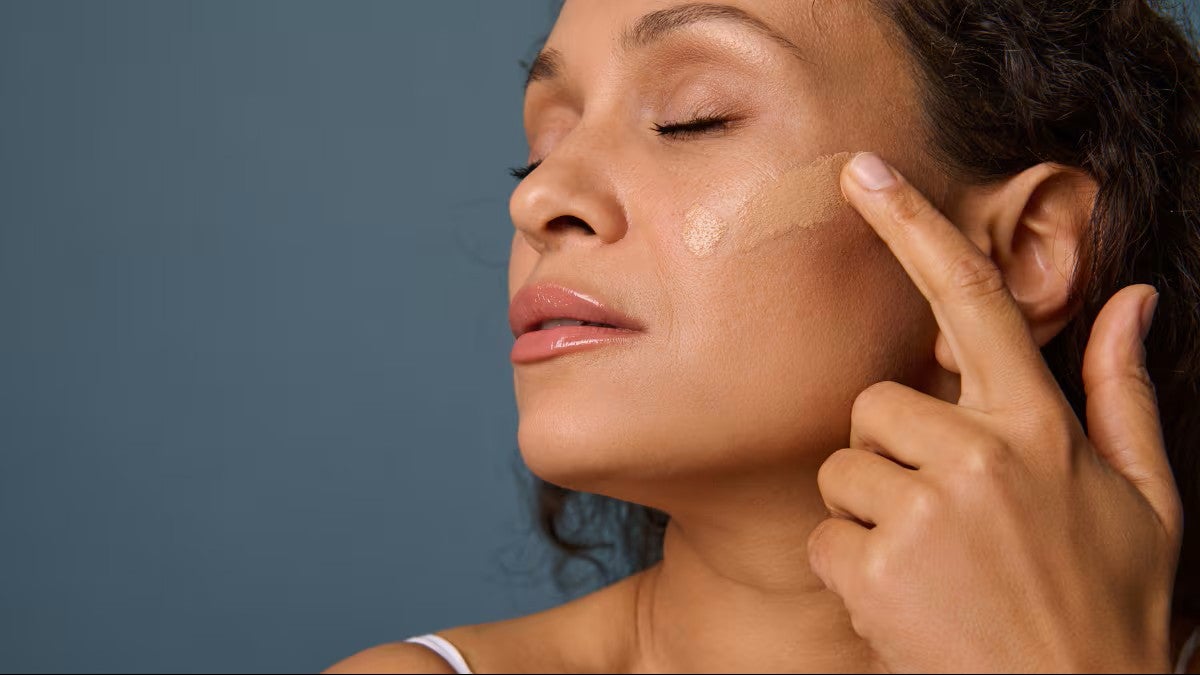
Ryu highlighted the technical challenges of blending decorative cosmetics with functional skin treatments. According to the product executive, adding active compounds can destabilize liquid cosmetics or distort color pigments, making formulation a delicate balancing act for cosmetic chemists.
Haus Labs addressed these technical difficulties when developing its Triclone Skin Tech Foundation, a medium-coverage product that features more than 20 skincare-related ingredients and comes in 51 shades. To establish its color spectrum and ensure accurate undertones across diverse skin tones, the brand collaborated with research and development laboratories in South Korea and tested formulas on more than 400 models.
South Korea has long been recognized as a global innovation hub for beauty technology and skin-first cosmetics, making its specialized laboratories a key partner for complex hybrid formulations.
Testing and Development Process
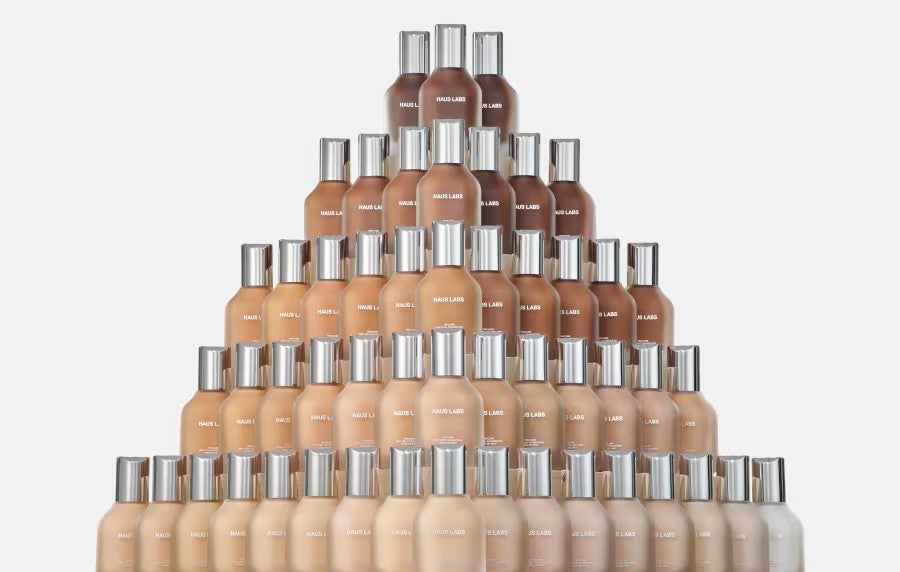
The development of the Triclone foundation and matching concealer required extensive research and testing. Ryu stated that the product team dedicated more than 1,800 hours of labor and conducted over 50 formula trials before finalizing the product line.
The objective of the multi-year development process was to create a lightweight, breathable makeup formula that offers buildable coverage and a natural finish while delivering active skincare ingredients to the skin. The executive stressed that cosmetic performance and skincare efficacy must exist in harmony rather than competing against each other.
The discussion surrounding skin-infused cosmetics reflects a broader shift toward streamlined multi-functional beauty routines. As consumers seek single-step products that save time without sacrificing performance, Ryu pointed out that highlighting an active ingredient on outer packaging is only the beginning, as real performance depends entirely on what takes place inside the formula.


