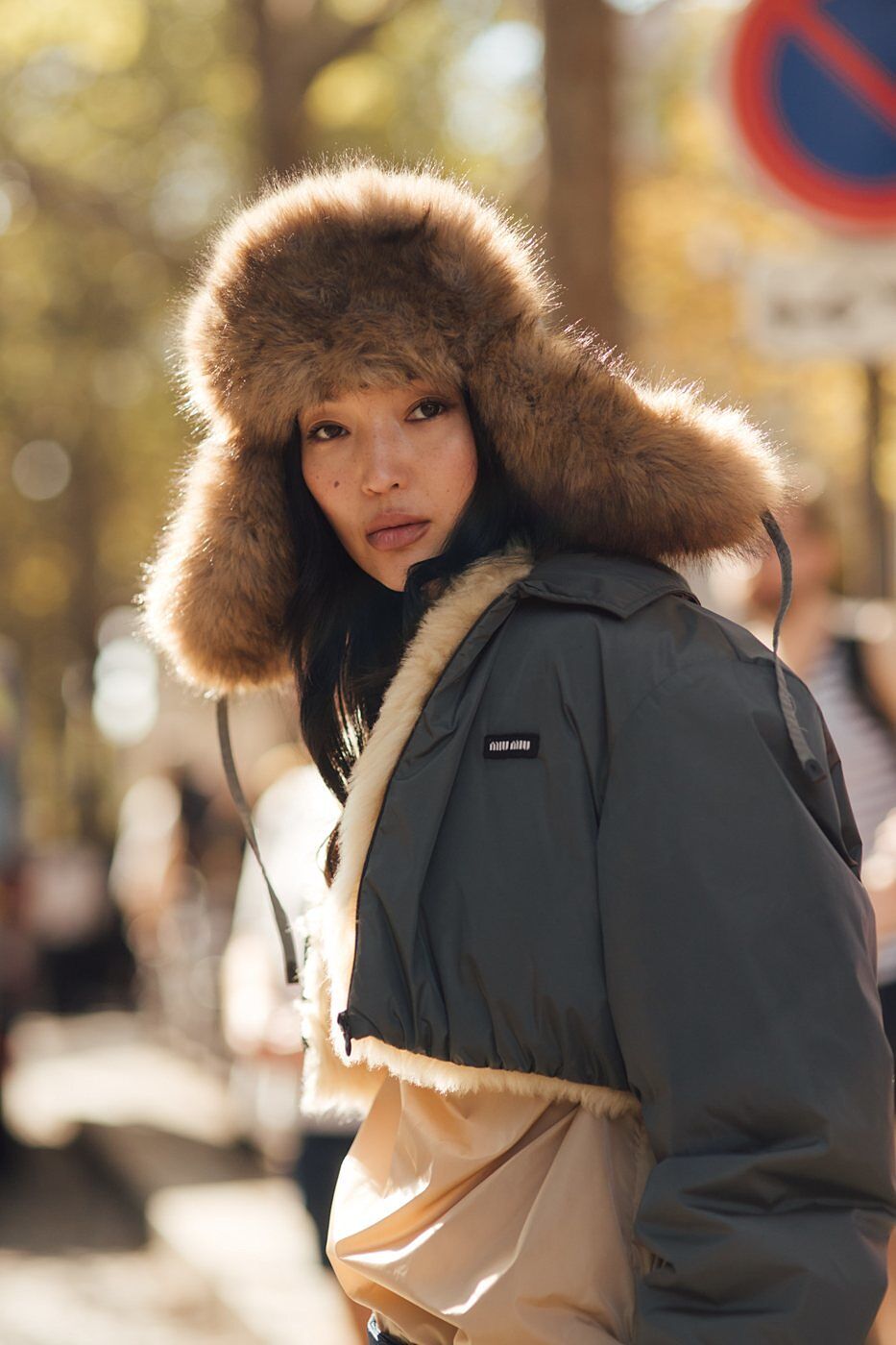
Hairdresser Quique Sánchez has warned that synthetic materials in hats and scarves are a leading cause of static electricity in hair during winter, urging people to be careful about what fabrics touch their heads in cold weather.
Sánchez, creative director at the Espacio Q hair studio, said synthetic materials that come into contact with the hair through hats or scarves need particular care because they are strong conductors of electricity.
He explained that some synthetic fabrics encourage the build-up of electrical charge through friction, and that garments made from materials such as polyester or acrylic increase static when they touch the hair. He advised paying attention to the fabrics worn near the head and avoiding those that create the most friction.
Why hair becomes more static in winter
According to Sánchez, hair is exposed to sharp temperature changes during the colder months, moving from cold outdoor air into heated indoor spaces where central heating lowers the humidity. That shift, combined with rubbing against hats, scarves and jumpers, encourages static electricity to build up.
He said that in winter, sudden changes in temperature affect the hair significantly and cause it to lose hydration, which makes it frizz and, as a result, tangle and knot.
Sánchez distinguished between frizz and static electricity. Frizz relates to changes in the shape and texture of the hair, while static electricity happens when electrical charges build up on the surface of the hair, usually through friction. The dry air of winter makes it harder for those charges to disperse, which is why hair becomes static more easily in the colder months.
Hair types most prone to static
Static electricity can affect any hair type, but dry hair is particularly hard to control in winter, Sánchez said. He noted that thick, abundant hair without a defined shape tends to have more problems with frizz.
However, he cautioned that straight hair is not immune either. He said straight hair also frizzes, especially when heat tools such as straighteners are used, since they can dehydrate the hair and raise the risk of frizz. For that reason, Sánchez recommends a haircut that makes styling easier and reduces the need for straighteners.
Scarves and jumpers increase static electricity
Sánchez repeated his warning about synthetic materials worn near the hair, saying garments made of polyester or acrylic are especially likely to generate static through friction with the hair.
How to wash hair to avoid static
Keeping the hair hydrated is important for managing it during the cold months, Sánchez said. To fight frizz, he recommends using products that repel moisture while keeping the hair soft through key ingredients.
His recommendations include formulas containing vegetable oils and conditioners designed specifically for hair prone to frizz. He also advised avoiding products that dry out the hair, while noting that the effect of a shampoo or conditioner depends on its full formulation rather than simply the presence or absence of particular ingredients, such as sulphates or parabens.
Beyond everyday products, Sánchez mentioned tannin-based hair treatments, known as taninoplastia, as a professional option for controlling frizz. He described it as a hair treatment based on formulas containing tannins, with results that depend on the specific product and technique used.
He explained that applying heat with a hairdryer activates the tannin and leaves the hair straighter than usual, while skipping the heat leaves the hair wavy but without frizz.
How to dry hair to reduce frizz and static
The way hair is dried also matters, Sánchez said. He advised using a microfibre towel rather than a cotton one to avoid the frizz effect, patting each section of hair dry without rubbing.
He also recommended letting hair dry naturally in the air whenever possible, to reduce exposure to heat. If a hairdryer is needed, he said it is important not to overuse high temperatures and to apply a heat protectant beforehand.
Choosing the right brush to avoid static
Sánchez said that if hair lifts up after brushing, the material of the brush and the friction it creates are to blame for the static electricity. To prevent this, he recommends products that make detangling easier and reduce friction between the hair and the brush.
He also advised detangling with the help of an oil, spray or gel, and said it is better to use a bamboo brush, which does not generate frizz.
In every case, the goal is to avoid pulling and unnecessary friction, especially when the hair is dry or tangled. Sánchez said that keeping up a good hydration routine and cutting back on excessive use of heat tools can help achieve softer hair with fewer static flyaways.
Test yourself
According to Quique Sánchez, what makes hats and scarves worse for static hair?
What does Sánchez say causes hair to lose hydration and frizz in winter?
What towel material does Sánchez recommend to reduce frizz when drying hair?
Have your say
Do you deal with static, frizzy hair in winter?