

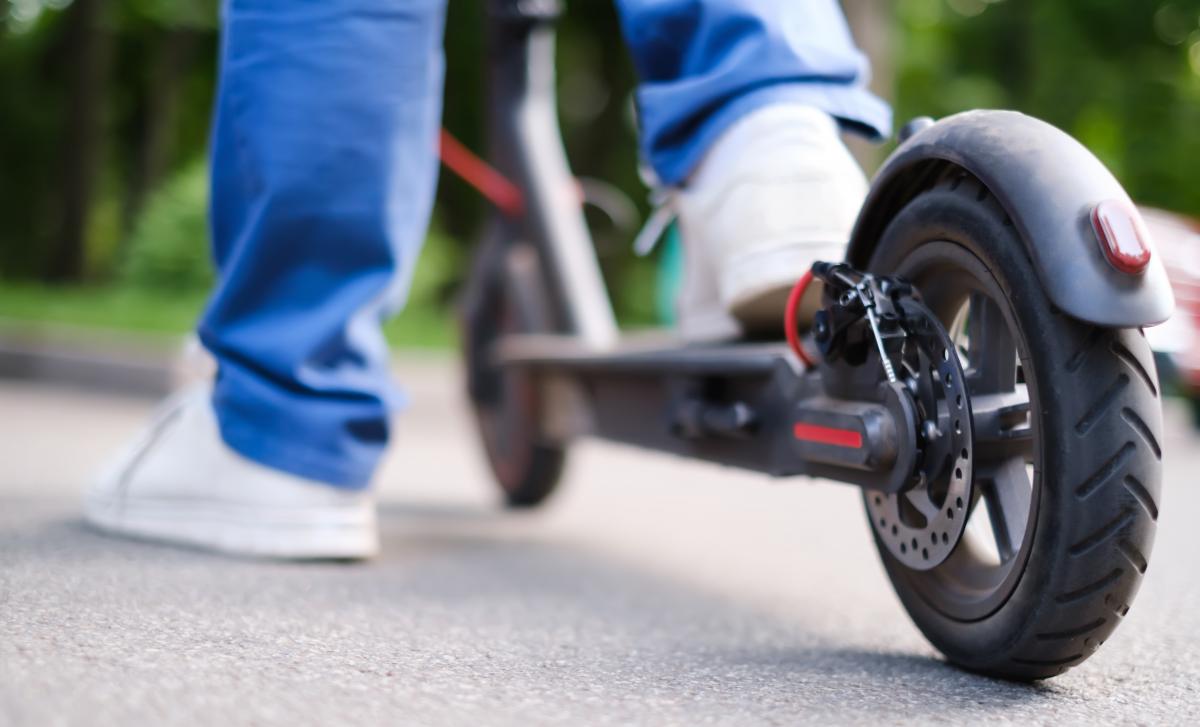
Germany will introduce stricter regulations for electric scooters on March 1, 2027, requiring indicators on new models and giving municipal authorities greater control over rental fleets, according to a report by German newspaper BILD.
Under the updated framework, manufacturers must fit newly produced e-scooters with turn signals. Owners who already possess an electric scooter will not be required to install indicators retroactively.
Electric scooters were first legalized for road use in Germany in 2019 under micro-mobility regulations that set maximum speeds at 20 kilometres per hour. Millions of rental and privately owned scooters operate across major German cities, where local councils have frequently raised concerns over footpath obstruction and rider safety.
Higher fines and cycling rules
From March 2027, e-scooters will in many cases be legally equated to bicycles. Scooter users will be permitted to turn right using green arrow signals designated for cyclists. Where bicycle traffic is allowed on sidewalks and pedestrian areas, scooters may also operate, provided they travel only at walking speed and with extra caution.
Penalties for traffic violations will increase alongside the new equipment rules. Riding illegally on a sidewalk will carry a fine of 25 euros, up from the current 15 euros. The penalty for carrying a passenger on a single scooter will rise from 5 euros to 25 euros.
City parking controls and local customs
Local authorities will receive new powers to establish mandatory parking zones for rental devices to prevent chaotic parking in public spaces. In addition, rental providers will bear higher financial liability for damages caused in traffic accidents.
The regulatory push comes as foreign residents adjust to German transport and urban rules. A Ukrainian woman who lived in Germany for three years previously noted that she struggled to adapt to local business hours, explaining that most retail shops do not open on Sundays and pharmacies close much earlier than in Ukraine.


