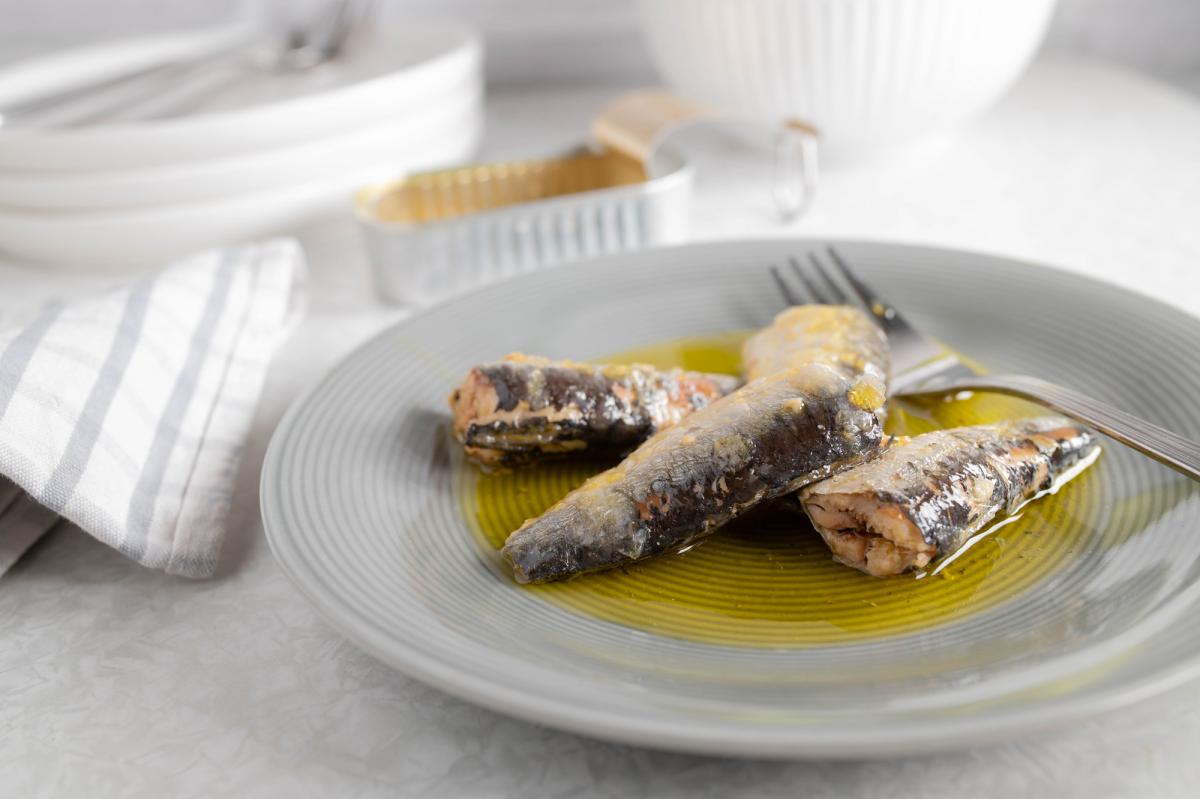
Canned sardines are an easy sandwich filling, but a new report advises against throwing away the small bones that sometimes come out with the fish when a tin is opened. According to French outlet Doctissimo, those bones are a valuable, if often discarded, source of calcium.
Making a sardine sandwich usually just means opening the tin and placing a fish on a slice of toast or bread. In the process, the soft bones still present in the fish can come out on their own and get tossed aside.
Doctissimo notes that the bones in canned sardines are soft enough to eat without any discomfort, and removing them means losing out on extra calcium. The main flavour and nutritional value of sardines comes from the flesh itself, with the bones acting as a bonus.
Why Eat Sardines Whole
During the canning process, the small bones in whole sardines typically soften to the point where they can be eaten with no unpleasant sensation. If a bone still feels sharp or spiky, it should not be eaten, as the nutritional benefit does not justify the discomfort or risk, according to the report.
This means two tins that look similar on the outside can differ in calcium content. A tin of whole sardines with bones and a tin of boneless fillets have different nutritional profiles. Fillets may look more appealing thanks to their even texture, but they can contain less calcium.
The Food Supplements Office of France's National Institute of Health, known as the NIH, includes bone-in sardines on its list of calcium-rich foods, Doctissimo reports. Continually removing the small, soft bones from sardines reduces the fish's mineral value, and the report says the difference in calcium between a whole sardine and a boneless fillet is significant.
Other Calcium-Rich Foods
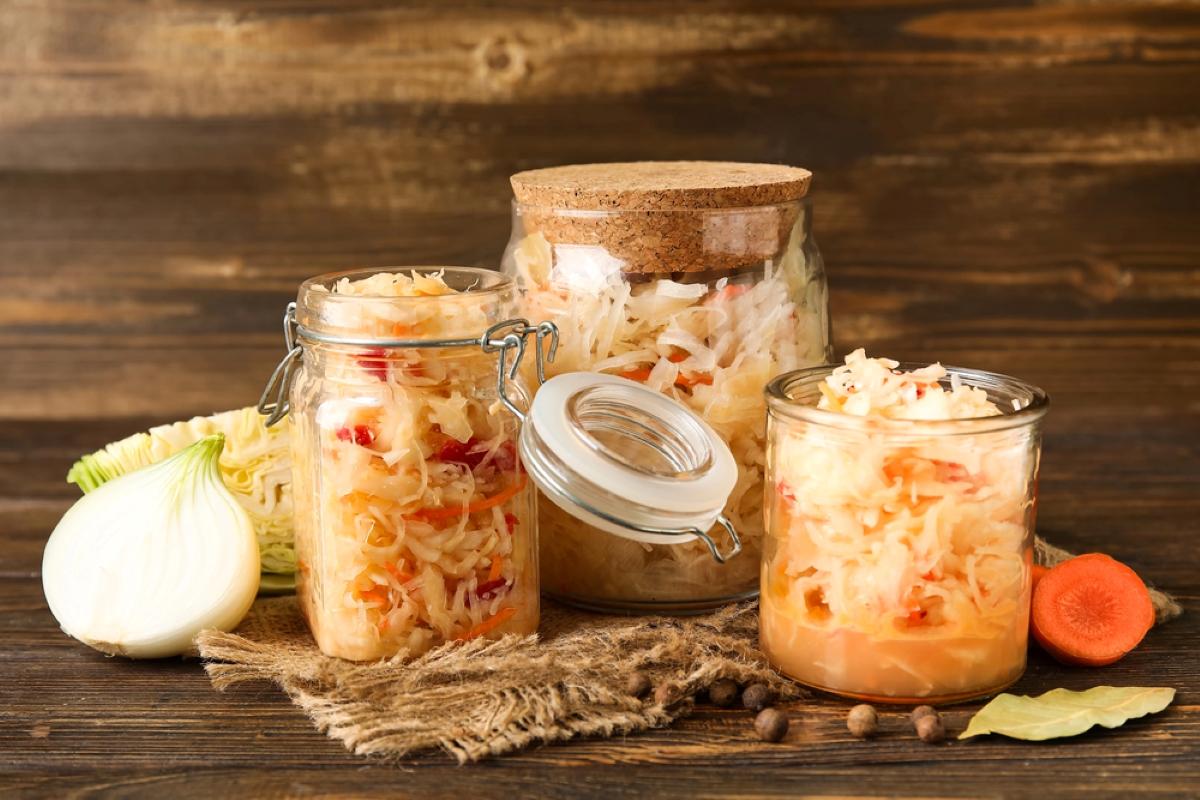
Dairy products remain the primary source of calcium for most people. But Doctissimo points to some less obvious foods that also carry large amounts of the mineral, including bay leaf, which contains around 834 milligrams of calcium per 100 grams. Bay leaf is also rich in antioxidants and essential oils, among other beneficial compounds, according to the report.
Test yourself
What happens to the small bones in canned whole sardines during processing?
What should be done if a sardine bone still feels sharp?
How much calcium does bay leaf contain per 100 grams, according to the report?
Have your say
Would you eat the soft bones in canned sardines to get more calcium?