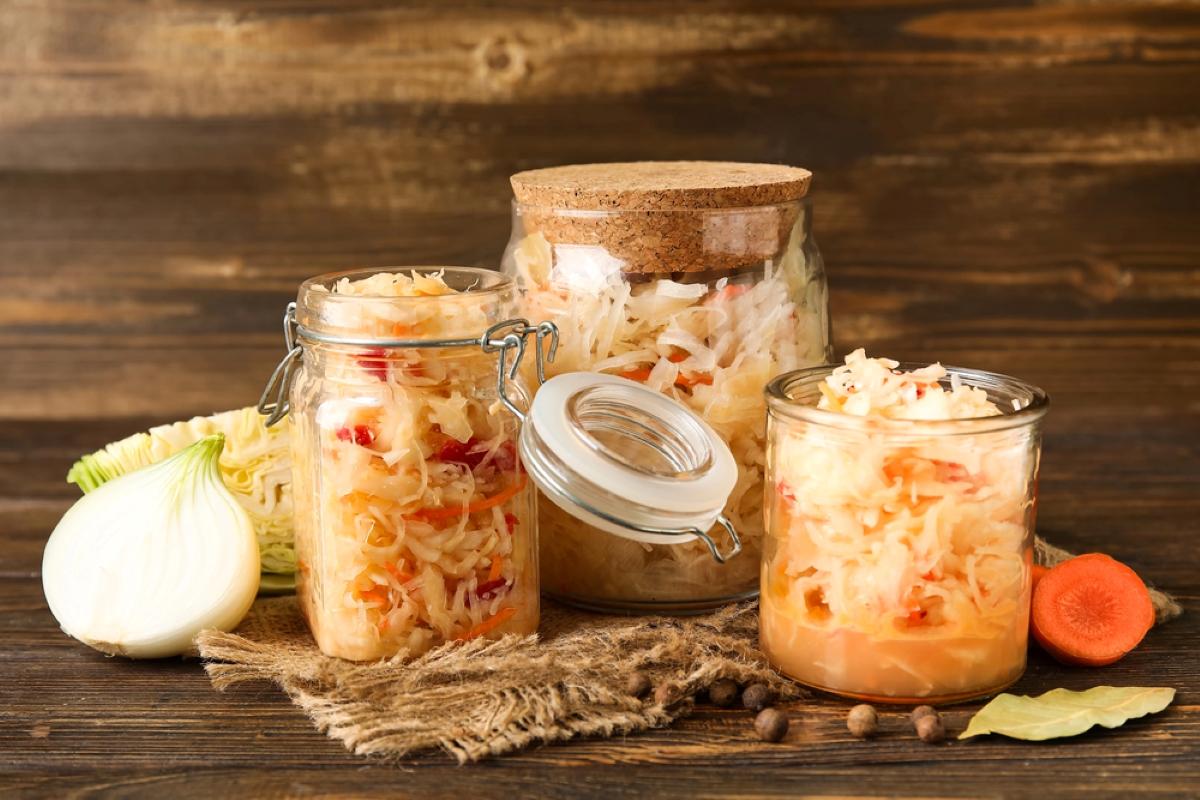
Older adults can strengthen their immune systems by eating just 150 grams of sauerkraut a day, according to Polish dietitian Bartosz Kulczyński, who says the fermented cabbage delivers a concentrated dose of fibre, vitamins and beneficial bacteria.
Kulczyński made the case in a YouTube video, explaining that a single 150g portion of sauerkraut provides 4 grams of fibre, 22 milligrams of vitamin C, 35 micrograms of folate, 250 milligrams of potassium and 2.22 milligrams of iron. He said the cabbage also contains beneficial bacteria and lactic acid, both of which form during the fermentation process.
Why older people need the immune support
As people age, the body's natural defence mechanisms gradually weaken, making older adults more vulnerable to infections and slower to recover from illness. That makes daily immune support through diet especially important, and fermented vegetables such as sauerkraut are singled out as one of the most accessible ways to provide it.
Fermented vegetables are a natural source of lactic acid bacteria, which support healthy gut function. That, in turn, directly strengthens the immune system. Sauerkraut is considered one of the best fermented foods for this purpose, the article notes, partly because it is cheap, widely available in any shop, and already a regular feature on many dinner tables.
What the research shows
Kulczyński pointed to a 2018 study titled "Lacto-fermented sauerkraut improves symptoms in IBS patients independent of product pasteurisation - a pilot study," which found that sauerkraut improved gut health in people suffering from irritable bowel syndrome.
He said the research showed that sauerkraut led to an overall improvement in people with irritable bowel syndrome, including a reduction in uncomfortable gastrointestinal symptoms.
Beyond that, sauerkraut helps reduce constipation, one of the most common complaints among older people, and improves overall gut function. The dietitian also said it can reduce inflammation and has an anti-tumour effect.
Why fermentation preserves nutrients
Fermented foods retain nearly all of their beneficial compounds, and the acidic environment created during fermentation actually helps vitamin C stay more stable than it would otherwise. These foods support immunity, help the body better synthesise and absorb nutrients, a quality known as bioavailability, and have antibacterial and antiviral effects.
Fermented foods are also a good source of antioxidants, which clear excess free radicals from the body, according to Poland's National Centre for Nutrition.
Not just cabbage and cucumbers
While cabbage and cucumbers are the most commonly fermented vegetables in the region, they are far from the only options. Beetroot, carrots, onions, leeks, courgettes, cherry tomatoes and peppers can all be fermented successfully.
Fruit can be fermented too. Lemons, apples, plums and pears are all suitable candidates, broadening the range of foods that can deliver the same gut and immune benefits as sauerkraut.
Autumn is described as an ideal time for fermenting, since it is the season when fresh vegetables and fruit are most abundant.
Test yourself
How much sauerkraut does dietitian Bartosz Kulczyński recommend eating daily?
What condition did the 2018 study find sauerkraut improved symptoms for?
Besides cabbage and cucumbers, which food can also be fermented according to the article?
Have your say
Do you regularly eat fermented foods like sauerkraut?