Self-employed workers and business owners in Ceuta, the Spanish autonomous city on the north coast of Africa, have begun applying for emergency aid promised by the Spanish government to offset losses from a migration crisis that started a month and a half ago, but economists and local business leaders say the payments cover only a small part of what has actually been lost.
The issue was examined on the "Clases de Economía" segment of La Linterna, the evening programme on the Spanish radio network COPE hosted by Ángel Expósito, with economic analyst Pilar García de la Granja, who also directs the network's Mediodía COPE.

Journalist Victoria Ballesteros reported that self-employed workers can claim 5,000 euros in aid, while companies can receive between 10,000 and 150,000 euros depending on their revenue. Applications are processed through Spain's Tax Agency, the Agencia Tributaria, with a deadline of 30 November, and the first payments are expected to begin going out in October.
García de la Granja questioned how far that money would stretch. A self-employed worker receiving 5,000 euros could cover one month's rent, electricity and general expenses, she said, but she asked what would happen in the months that followed.

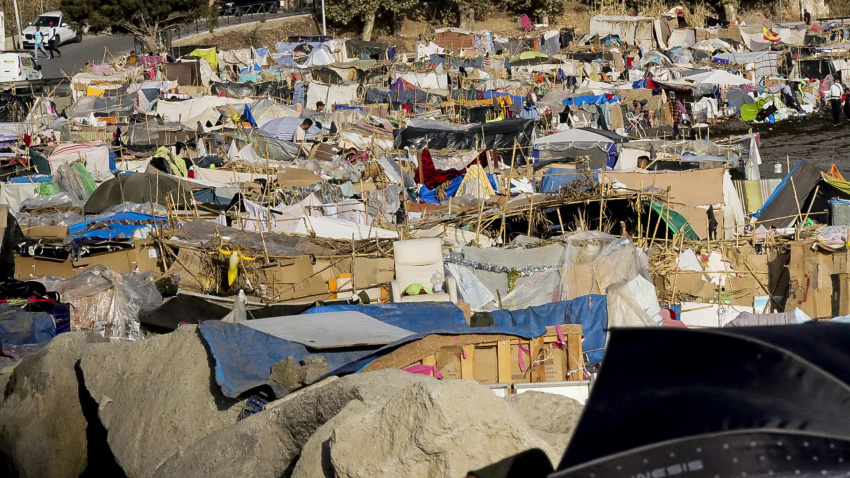
Businesses describe mounting losses
The financial strain has hit local businesses hard. Toñi, who owns several clothing shops in Ceuta, was forced to close her stores during the most tense periods of the crisis. She described the government payments as a one-off aid, saying that a self-employed worker with 5,000 euros could pay a month's rent, electricity and general expenses, but that nobody knew what would happen after that.
Chamber of Commerce puts losses above 33 million euros
The Ceuta Chamber of Commerce estimates direct losses at more than 33 million euros, with revenue in the retail and hospitality sectors down by more than 50 percent because of the crisis. Juan Manuel Parrado, a representative of Ceuta's employers' association, called for more effective measures, saying the current aid package "falls very short" and warning that the situation would not guarantee that the city's productive sector could survive.

'A million euros a day' in losses
García de la Granja said the Chamber of Commerce's estimate of more than 33 million euros in losses covered only the month of August. Since then, she said, 46 days had passed, which works out to roughly 1 million euros in losses every day.
She illustrated the gap between aid and reality with the case of a real fashion retailer employing two staff. A business receiving 5,000 euros could cover general expenses, she said, but it would not cover payroll. She explained that simply opening the shop each day carried fixed costs of around 6,000 euros a month, meaning that even after the state aid, the business was already 1,000 euros short. She added that no further rounds of aid had been announced, only the single package currently in place.