


Smartphone makers Xiaomi and realme have expanded 6,000 mAh batteries into their budget line, offering three models under 150 euros with distinct hardware trade-offs.
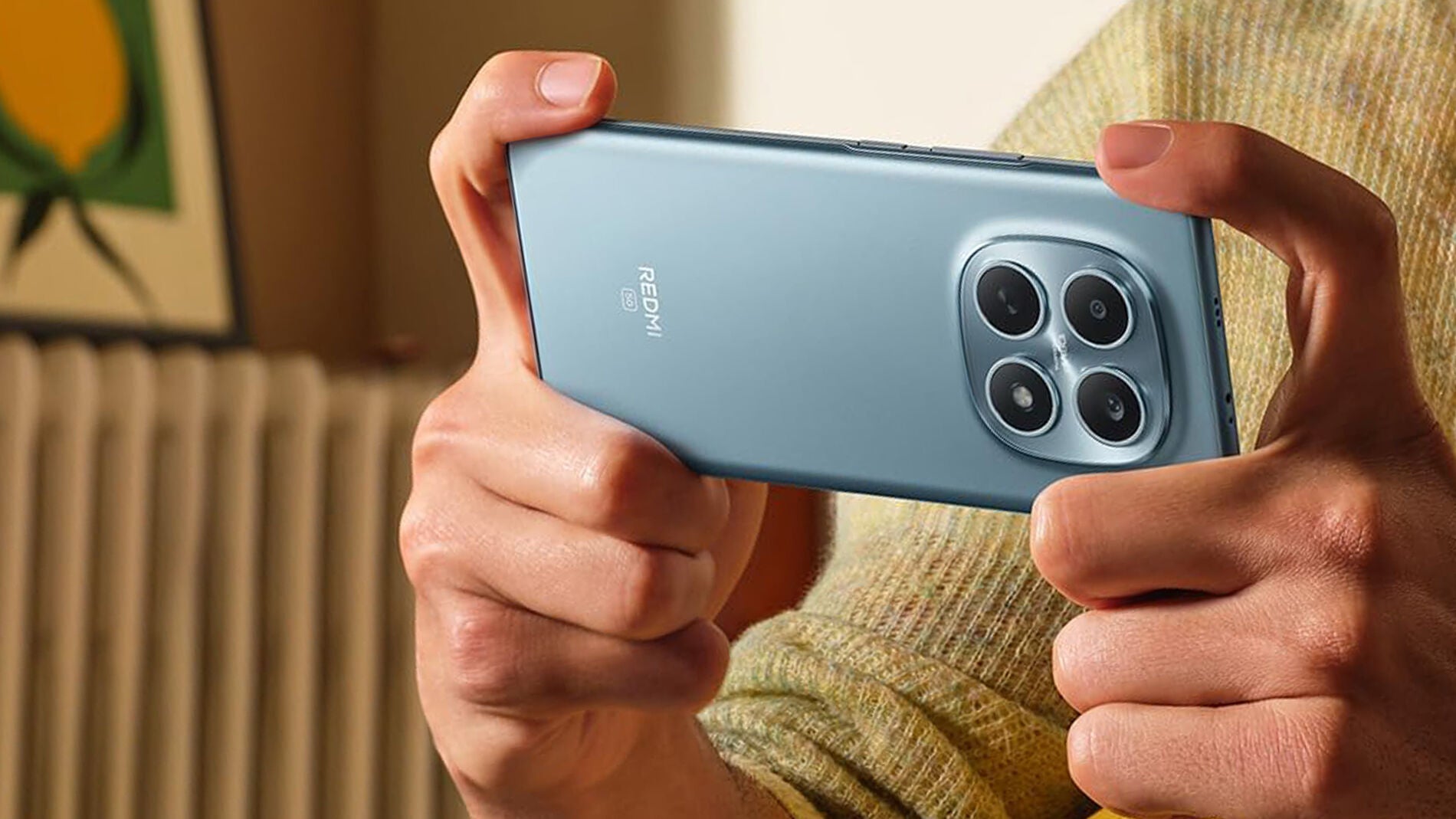
While all three devices share identical battery capacities, they differ sharply in screen refresh rates, charging speeds, processor capabilities, and build protections.
A battery rating of 6,000 milliampere-hours measures electrical storage capacity, indicating extended runtime between charges. However, budget manufacturers cut costs elsewhere to accommodate larger battery cells, dividing models between 33 W and 15 W charging speeds, 120 Hz and 90 Hz displays, and MediaTek or Unisoc processors.
High battery capacity paired with slow 15 W charging requires keeping a phone plugged in for long periods, whereas 33 W fast charging restores half a battery charge during breakfast. Key secondary specifications also vary across the trio, including water resistance ratings and support for Near Field Communication, known as NFC, for mobile payments.
Comparing Battery Capacity and Charging Speeds
The realme Note 70T represents the most conservative entry among the three devices. It features a 6.74-inch screen operating at a 90 Hz refresh rate, which provides smoother scrolling and faster keyboard response compared to older 60 Hz entry-level smartphones.

An octa-core Unisoc processor powers the device, handling basic tasks such as messaging, navigation maps, video streaming, and light casual games. It operates clean software without heavy management overhead, though it is not designed for video editing or intensive graphic rendering.
Protection features include IP54 dust and splash resistance for light rain and sink splashes, alongside MIL-STD-810H military-grade durability certification for extreme environmental conditions. Combined with an energy-efficient chipset, the device allows users to go two days without a charger. On AliExpress, the realme Note 70T costs 110.60 euros, down from an original list price of 132.63 euros using coupon code RAZONES06.
realme Note 70T Specifications and Features
The Xiaomi Redmi Note 15 4G stands out as the primary choice for users needing a main daily smartphone. Its 33 W fast charging capability separates it from competitors, allowing a full recharge in 20 minutes before leaving home rather than remaining tied to a wall socket for hours.
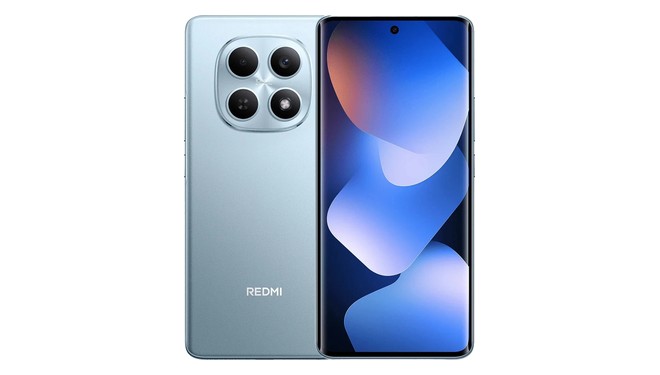
Xiaomi increased battery capacity over the previous Redmi Note generation while maintaining 33 W power. The device features a MediaTek Helio G100-Ultra processor, a 6.77-inch 120 Hz display, NFC capabilities, and an IP64 dust and water protection rating. A 108 MP main camera allows daylight photo cropping, though image quality drops in low-light indoor environments.
A buyer stated that the phone holds up very well in both daily performance and battery endurance for normal use. It is the only model in the trio that can be depleted during the morning and fully recharged before lunch. It is priced on AliExpress at 123.58 euros, reduced from 179.99 euros with coupon code RAZONES20.
Xiaomi Redmi Note 15 4G Performance and Fast Charging
The Xiaomi Redmi A7 Pro introduces two distinct features for an entry-level device, starting with a large 6.9-inch HD+ display running at 120 Hz. It also provides a dedicated microSD memory card slot that functions independently without sacrificing the second SIM card slot.
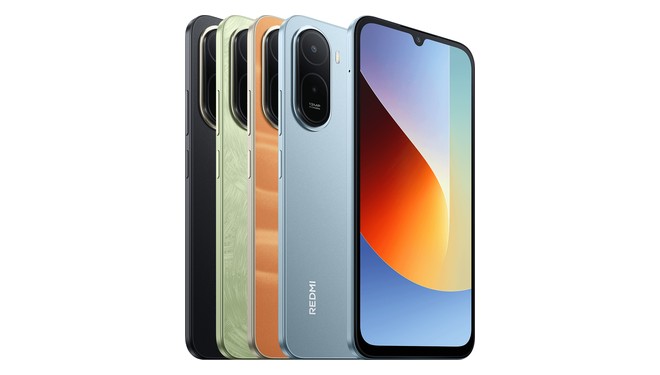
Starting from 64 GB of internal storage, the expansion slot allows long-term local media storage. The phone runs Xiaomi HyperOS software, includes NFC on supporting versions, and relies on 15 W charging that necessitates overnight replenishment. The camera is limited to basic document scanning and daytime photography. On AliExpress, the Redmi A7 Pro is listed at 100.56 euros, down from 119.99 euros using coupon code RAZONES10.
Xiaomi Redmi A7 Pro Display and Storage Options
Budget smartphone manufacturers lower prices by compromising on display resolution, water resistance ratings, charging wattage, and camera image processing software. Among these areas, charging speed and camera software create the most noticeable daily impact on user experience.
Physical screen sizes across the three models range from 6.74 inches to 6.9 inches. The Redmi A7 Pro is the largest device and requires two hands for typing, while the realme Note 70T and Redmi Note 15 4G offer slightly smaller profiles. The Redmi Note 15 4G uses curved edges and a thin body to improve handling, though all three devices add extra weight that makes them unsuitable for shirt pockets. Buyers should measure their pant pockets and vehicle dashboard mounts before choosing a screen size.
Budget Smartphone Trade-offs and Screen Ergonomics
Lithium-ion batteries degrade over time due to heat exposure and extended hours kept at maximum charge on a charger. Charging a phone under a pillow during summer heat causes significant battery wear over time.

Fast 33 W charging reduces battery strain by encouraging short charging sessions rather than overnight nightstand charging. The Redmi Note 15 4G includes a cable and protective case in the box, but omits a wall adapter. Selecting automatic display refresh rates instead of fixed 120 Hz extends battery longevity across all three devices, all of which easily reach bedtime on a single charge.


