

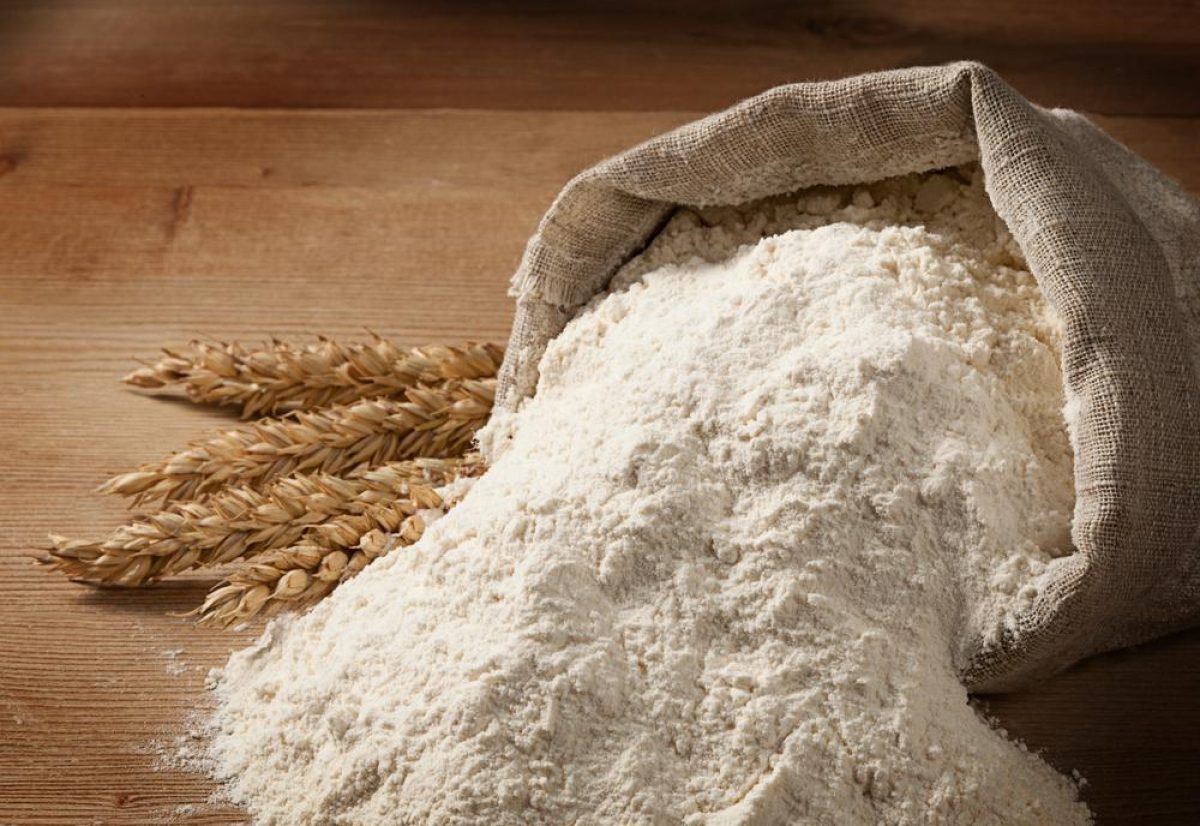
Flour should not be left in its original paper bag once it gets home, according to Southern Living, which warns the packaging leaves it vulnerable to pests and moisture that can ruin it within months.
Most people keep flour in the bag it was bought in, but the outlet says this can be a mistake. Flour is packaged in paper so that excess moisture can evaporate after milling, but it should be transferred to a storage container as soon as it is brought home. Otherwise, Southern Living says, it can become infested with insects within a few months of sitting in the pantry.
Pantry pests
A tied bag will not protect flour from pantry pests, the publication said. It named flour moths, weevils, flour beetles and flour mites as some of the insects that can get in through small gaps to infest flour and other grains. Once a bag is opened and found to be swarming with insects, the only option left is to throw the flour away, according to the outlet.
Storing bags of flour in the pantry also allows these pests to multiply, and the publication noted they will go on to target cereals, rice and salty snacks stored nearby as well.
High humidity
Humidity can speed up spoilage, and mould can form on damp flour, Southern Living says. If coffee is accidentally spilled on a bag of flour, the outlet said, the flour can be considered ruined.
The same applies if a bag is left on the kitchen counter and a glass of water is knocked over onto it, according to the publication. Some flour might be scooped out and saved, but most of it will end up in the bin regardless. Keeping flour in a watertight container protects it while vanilla is being measured out or eggs are being cracked nearby, the outlet explained.
Shelf life
Anyone who has baked with stale flour knows how unappetising the result can be, with a taste somewhere between sawdust and modelling clay, according to the report.
Flour has a shelf life of around one year, after which it loses its flavour and freshness, the publication said, adding that flour genuinely oxidises and spoils on exposure to air. It explained that the natural oils in flour turn rancid over time, giving the flour a stale or sour taste and smell.
To keep flour fresh for as long as possible, Southern Living recommends placing it in an airtight container or a resealable freezer bag. The original paper bag can even be rolled up and placed inside the container. The container should then be kept away from heat and light, since both factors shorten flour's shelf life, the outlet said.
If a kitchen tends to run hot, the publication advised putting the container of flour in the fridge or freezer so it stays fresh for the next batch of bread.


