

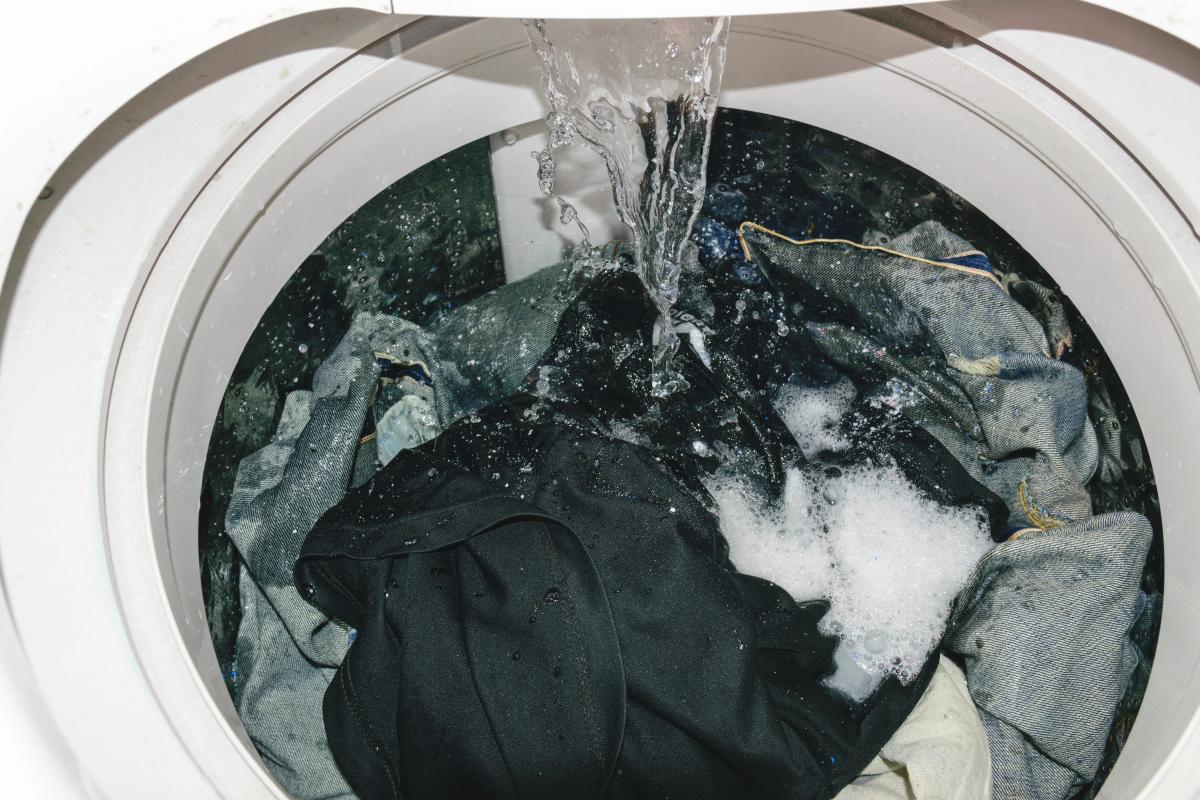
Distilled white vinegar provides a natural alternative to commercial laundry chemicals by softening fabrics, eliminating stubborn odours and brightening white garments, Southern Living reported.
The publication noted that vinegar also cleans washing machines by removing mould, mildew and detergent limescale without damaging appliances or fabrics.
Southern Living is an American lifestyle publication that covers home care, cooking and gardening. Distilled white vinegar is a mild acidic solution produced from fermented grain alcohol, widely used in household cleaning for its odour neutralising properties.
To use vinegar for laundry tasks, the authors stated that households need only a few basic items. These include half to one full cup of distilled white vinegar, a measuring cup, and a washing machine or basin for hand washing. Essential oils can optionally be added for fragrance, alongside a spray bottle for treating stubborn spots.
Dosages and methods for different laundry needs
For fabric softening, Southern Living advised adding a quarter to half a cup of white vinegar directly into the rinse dispenser. The machine will release the liquid automatically during the rinse cycle. To eliminate persistent odours, households can pour half to one cup into the rinse compartment or soak clothes prior to washing. Soaking involves submerging garments for at least 30 minutes in a tub or basin of cool or warm water mixed with one cup of vinegar.
White clothing benefits from vinegar as a natural brightening agent. The publication recommended soaking whites separately from coloured items in hot water with one cup of vinegar for one hour or overnight before placing them into a standard wash cycle. When laundry smells of mildew or mustiness, vinegar can replace regular detergent entirely by adding it directly to the drum or dispenser and running a hot wash cycle.
Stain removal and fabric safety guidelines
For targeted stain removal, Southern Living suggested filling a spray bottle with equal parts warm water and vinegar. Users should blot the stain first, apply the diluted mixture, allow it to sit for 30 to 60 minutes, blot the area once more, and then wash the garment in the machine.
The treatment is safest on durable fabrics including cotton, linen, polyester, nylon, microfibre and spandex. However, delicate textiles such as silk, acetate, items containing elastane and brightly coloured garments should be spot tested on a small hidden area using diluted vinegar to prevent potential damage.
Machine maintenance and safety warnings
The publication warned that vinegar should always be diluted with water in roughly a one-to-one proportion. Users must never combine vinegar with chlorine bleach because the mixture produces toxic fumes. If combining vinegar with baking soda for stain treatment, only small amounts of baking soda should be used to prevent the two ingredients from neutralising each other.
Southern Living advised against using vinegar in every laundry load, as repeated exposure to acid can degrade the rubber seals and hoses in washing machines over time. Vinegar should instead be used only when needed. The report added that vinegar leaves no sour smell on laundered items, as the odour washes away completely during the rinse cycle while leaving fabrics soft and fresh.
The publication previously reported on 12 household items that can be cleaned using apple cider vinegar.


