

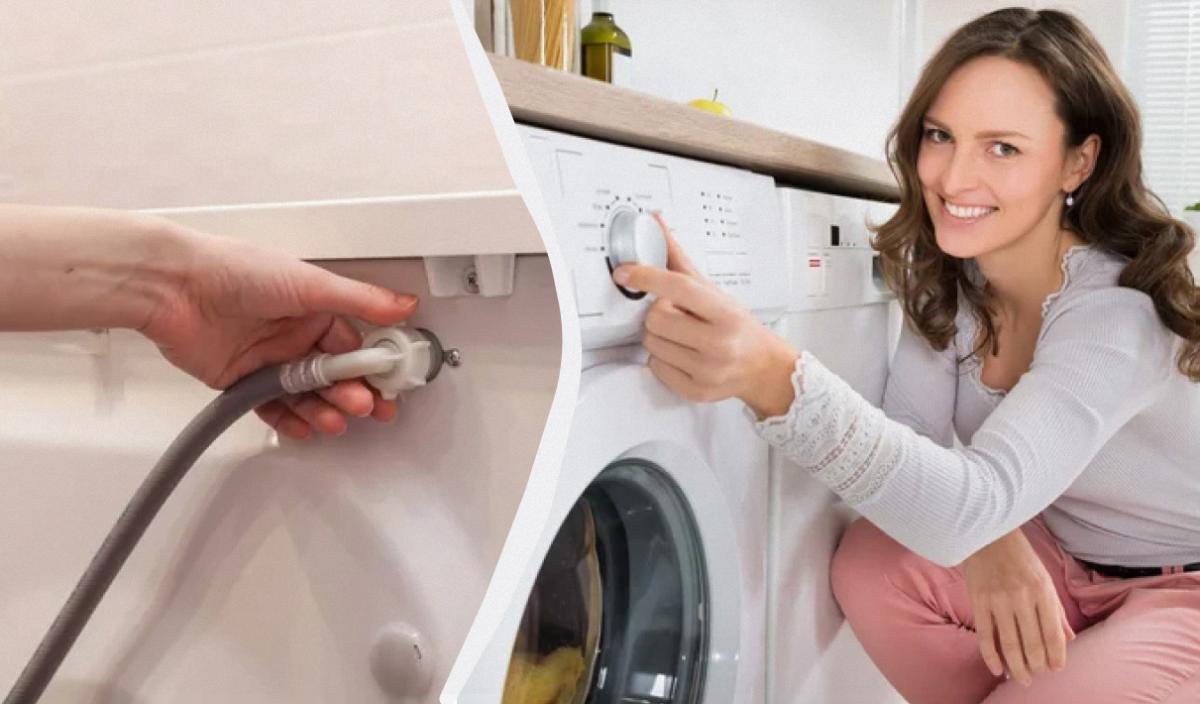
Washing machine drain hoses can be extended using full pipe replacements or plastic adapters when appliances are relocated or incorrectly measured during installation. Appliance manufacturers establish strict length limits for discharge lines to maintain proper drainage and prevent equipment failure.
Modifying a drainage hose beyond specified tolerances creates operational risks for automatic washing machines. Manufacturers detail maximum allowable line lengths in product manuals, warning that exceeding these boundaries damages internal components and shortens overall service life.
Standard water inlet hoses supply fresh water into the drum and can reach up to five metres in length. However, specialized machines featuring built-in Aquastop leak protection cap inlet lines at a maximum length of 250 centimetres. Aquastop systems use automated shut-off valves to block water flow during line ruptures, and manufacturers prohibit extending drain hoses on these units if the line proves short.
Drain pump overload and mold risks
Drain hoses carry waste wash solutions from the machine drum into household drainage systems. Internal discharge pumps are engineered specifically for precise liquid resistance based on the total distance to the sewer inlet.
Extending the discharge line increases fluid resistance, forcing the pump to work harder. This extra strain causes the motor to overload and overheat, which can result in complete pump failure. Extended lines also slow down water evacuation from the drum.
When water drains incompletely, stagnant moisture remains inside the drum assembly. Lingering wastewater promotes the growth of mold and fungus, which creates unpleasant odours and hygienic concerns inside the laundry drum.
Full hose replacement procedure
Replacing the entire discharge hose represents the simplest and safest modification method, provided total length remains under five metres or manufacturer limits. Homeowners must first shut off the water supply valve and unplug the appliance from the electrical mains.
After draining any remaining water, tilt the washing machine onto its side to access the internal hose fitting located on the pump pipe. Loosen the retaining clamp securing the original line to the pump nozzle, position a catch bowl beneath the fitting, and detach the old hose.
Clean the pump nozzle thoroughly and wipe surrounding surfaces dry before applying a layer of plumbing sealant to the joint. Slide the new discharge hose onto the fitting, discard the old clamp, and secure the connection using a fresh hose clamp.
Joining hoses with a plastic adapter
Homeowners can also join two separate hoses using a specialized plastic adapter, provided the total combined length does not exceed five metres. This method requires basic plumbing knowledge, as incorrect assembly or mismatched fittings can cause home leaks.
The secondary hose must match the exact diameter of the original line. User manuals mandate routing the extended hose in an S-shape curve elevated between 65 and 80 centimetres above floor level to prevent siphoning during wash cycles.
To assemble the connection, disconnect power and water supplies before sliding hose clamps over both tube ends. Apply plumbing sealant to a plastic barbed adapter, press both hose ends firmly onto the connector fittings, and tighten the clamps over the joint.
Plumbing alternatives for tight spaces
If hose replacement or adapter extensions are not feasible, homeowners must hire a licensed plumber to relocate the sewer drain point closer to the machine. While moving permanent plumbing pipework requires greater financial investment, it provides a safe and reliable solution for short drainage lines.


