

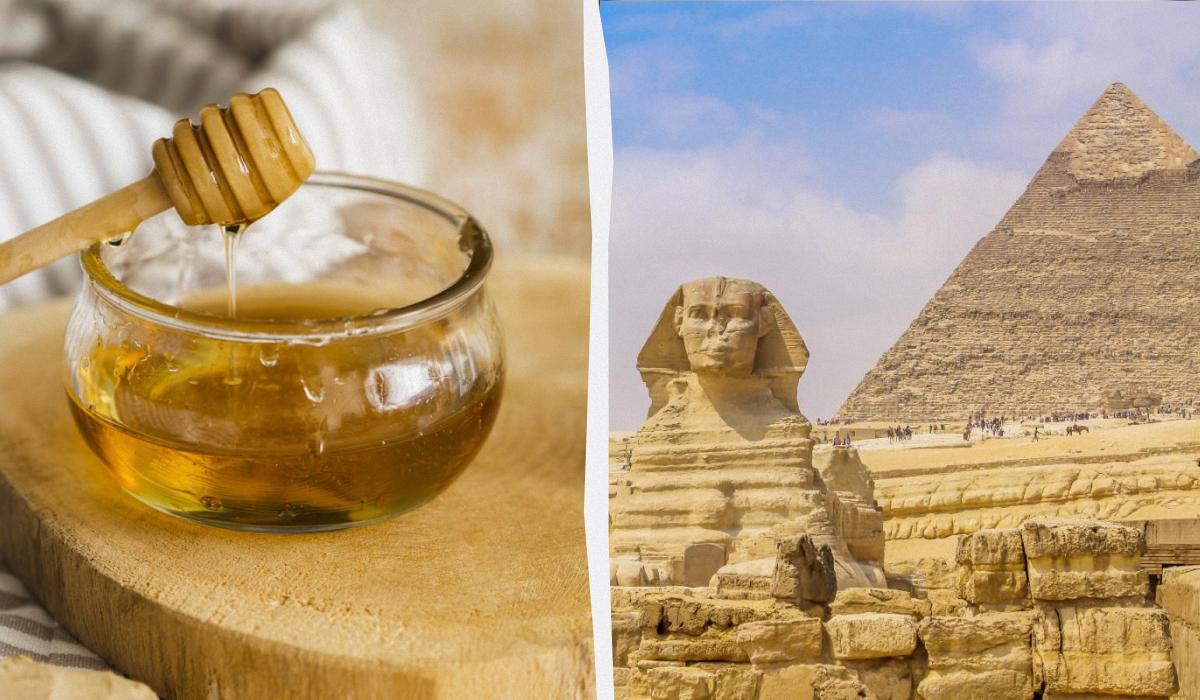
Jars of well-preserved honey have repeatedly turned up in ancient Egyptian burial sites, according to SpaceDaily, which reports that honey can last thousands of years without spoiling if sealed tightly and kept in a dry place.
A popular online story claims archaeologists in the 20th century opened an Egyptian tomb jar of honey dated to around 1000 BC and found it still liquid, sweet and edible. SpaceDaily notes that specific story has no documented confirmation, though it says the idea is scientifically plausible.
The science behind honey's shelf life
Research confirms honey resists microorganisms because of three factors: low water content of around 17%, an acidic environment with a pH of roughly 3.2 to 4.5, and a small amount of hydrogen peroxide produced by an enzyme called glucose oxidase that bees add to it.
Nectar starts out containing 70 to 80% water. Bees treat it with enzymes inside the hive, then fan it with their wings to evaporate excess moisture. Once water content drops below about 18%, sugars bind most of the available water, leaving bacteria and yeast without enough moisture to multiply.
Glucose oxidase provides extra protection, since in the presence of moisture it helps produce gluconic acid and hydrogen peroxide, the report explains. The acid lowers the honey's acidity level further while the peroxide acts as an antibacterial agent. SpaceDaily states that bees developed this food preservation system a hundred million years before humans invented pottery.
What changes over time
Thousand-year-old honey does not necessarily look fresh, according to the outlet. Glucose can crystallize over time, turning honey into a pale, grainy mass, while it also darkens, loses some aromatic compounds and sees reduced enzyme activity, even though its main sugars stay stable.
Moisture poses the biggest threat to preservation. If a seal breaks or water gets in, honey's protective mechanism weakens, and once water content exceeds about 18%, yeast can activate and fermentation can begin. Prolonged high heat also breaks down enzymes and speeds up chemical changes.
SpaceDaily concludes the 1000 BC honey jar story remains unconfirmed, but says the broader idea that honey can last an extremely long time is scientifically sound, provided it stays sealed, dry and at a stable temperature.


