

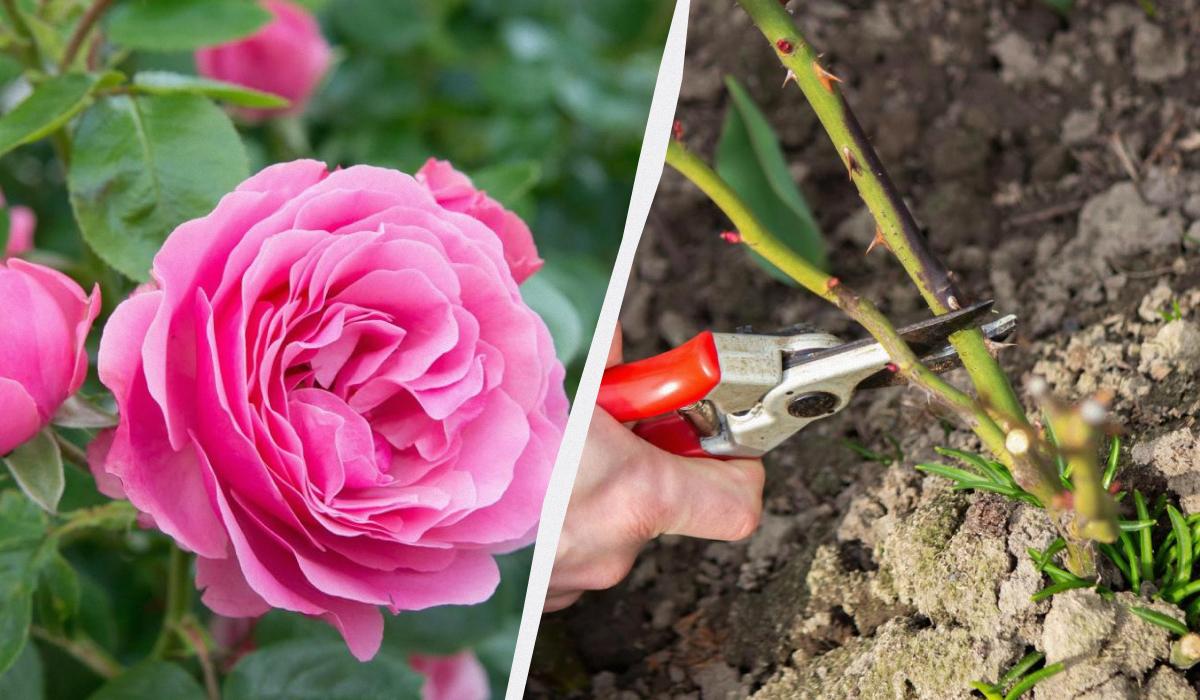
When roses finish blooming in late summer, many gardeners assume the work is done. But because roses are perennial plants, care continues year-round, and the right steps now can keep bushes flowering for many seasons to come.
Watering, Weeding and Feeding
Once blooms have faded, roses still need regular watering and weeding. The plants are building strength for winter, so conserving their energy matters. Loosening the soil around each stem once a week helps improve oxygen flow to the roots.
Post-bloom feeding should rely on potassium and phosphorus fertilisers, with no nitrogen. Superphosphate or potassium salt, prepared according to the manufacturer's instructions, work well for this purpose. The bed should be watered with plain warm water before any fertiliser is applied.
How to Prune
Pruning should be done regularly as buds fade. Before starting, shears should be sharpened and treated with an antiseptic to reduce infection risk, and the tool should be disinfected between bushes to prevent the spread of disease.
The method varies by rose type. For climbing and ground-cover varieties, only the spent bud is removed, leaving the shoots untouched. For shrub and hybrid tea roses, branches are cut back to the fifth leaf above the root, and any inward-growing shoots are removed along with broken or diseased parts. New green shoots from the current year should not be cut.
Proper pruning rejuvenates the plant and encourages new growth. Pruned roses are also less prone to disease, and repeat-flowering varieties may bloom a second time as a result. Without pruning, roses risk reverting to a wild state.


