

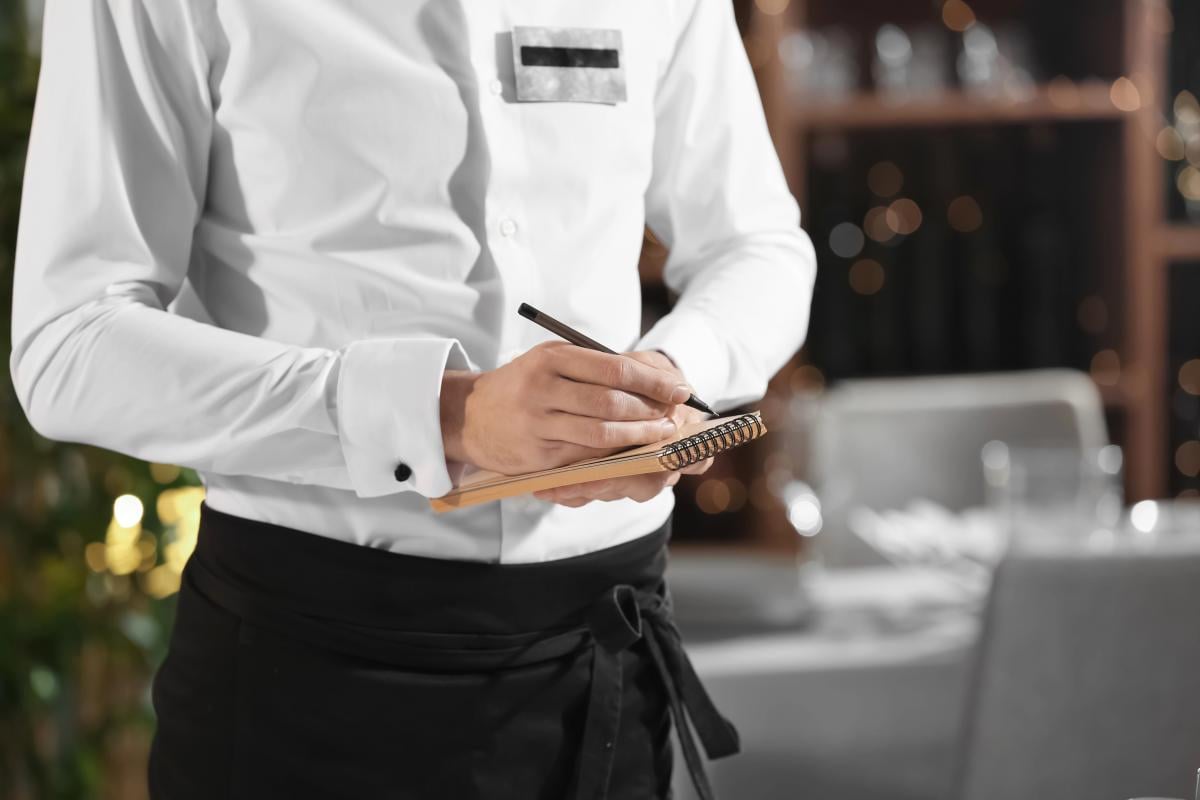
Restaurant waiters rarely ask guests directly to leave when a dining session finishes, relying instead on delicate hints, specific phrases, and non-verbal gestures, according to a report by Vince.
The most common verbal cue occurs when waiting staff offer to bring the bill, asking visitors if they can present the check or if guests wish to order anything further. While this formally leaves the choice with the diner, it clearly signals that the meal stage is drawing to a close.
When the bill is already on the table and visitors show no rush to depart, staff may inquire whether everything was calculated correctly or if any questions remain. Waiters also issue last call warnings by stating they want to take final orders because the kitchen or bar is closing soon, providing a direct signal that socialising cannot continue after the final drink.
In some instances, servers use a technical excuse to request payment by explaining that they need to close the cash register, removing personal pressure from the situation.
Physical Signals and Closing Cues
Beyond verbal communication, staff actions in dining establishments convey clear messages. One prominent signal is the complete clearing of the table, where servers remove even water glasses and final crumbs to show that the table function is considered finished.
Environmental changes at the end of the evening also indicate that closing time approaches, such as abruptly switching on bright lights or turning off background music. Furthermore, frequent glances toward a table or waiters lingering nearby indicate that staff are ready to wrap up service.
International Tipping Etiquette
Managing table turnover forms a standard part of front of house operations in the global hospitality industry. News agency UNIAN previously examined international tipping customs, noting that rules regarding extra rewards for waiting staff vary significantly across different regions.
In the United States and Canada, leaving additional gratuity for service has long been the norm. However, in certain Asian countries, tourists risk offending waiters by offering a tip. Experts have also outlined customary cash tipping amounts in Latin America, while noting that tipping rules across Europe remain complex. UNIAN previously detailed a comprehensive list of countries where visitors should refrain from tipping altogether.


