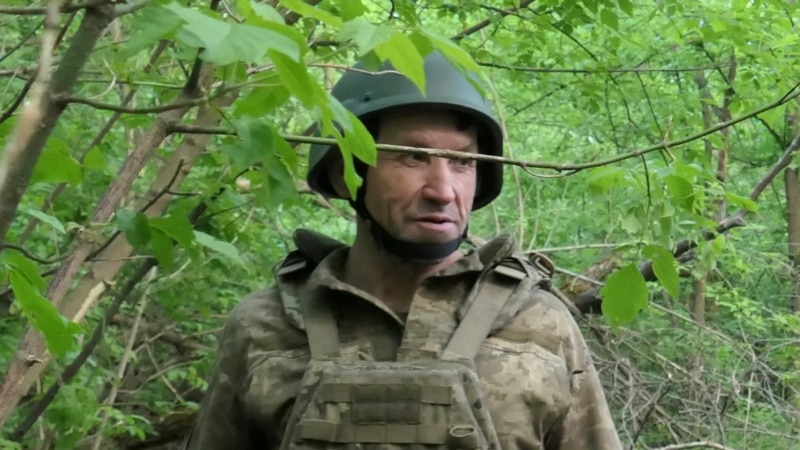
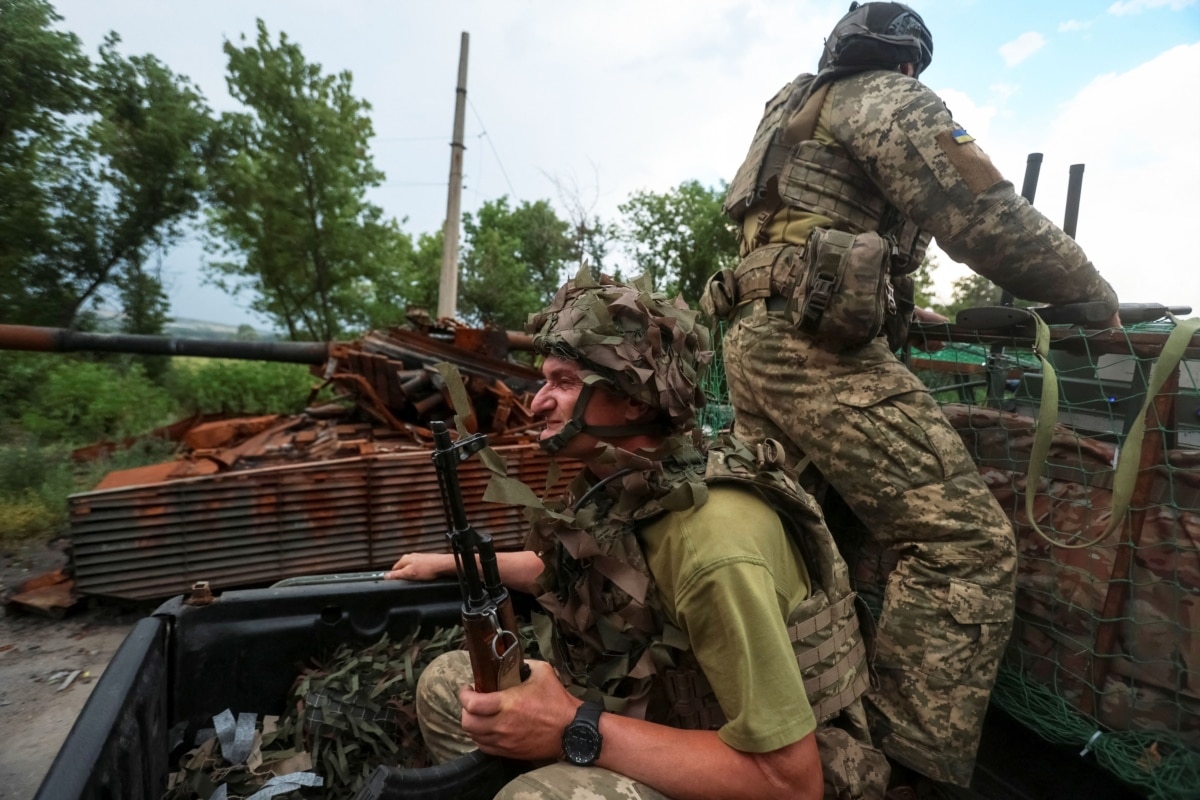
A 60-year-old infantryman known as Misha has joined the front line in Donetsk Oblast with Ukraine's 63rd Separate Mechanised Brigade to guide troop rotations.

The elder soldier, who signed a military contract at age 60, serves in the Auster Motorised Infantry Battalion of the 63rd Separate Mechanised Lyman Brigade. The unit belongs to the 3rd Army Corps of Operational Command East of the Land Forces of the Armed Forces of Ukraine. Misha volunteered for frontline service in late spring 2026 to carry out resupply missions and support fellow troops in high-risk areas known as killzones.
Misha explained that he chose the infantry specifically to perform the hardest duties and to help preserve the territorial integrity of his state. His primary responsibility involves guiding comrades during rotations through hazardous territory and keeping frontline positions fully supplied with essential provisions. Correspondents from Donbas Realii, a project of Radio Free Europe/Radio Liberty, observed Misha on duty in the Donetsk direction, noting that younger observers struggled to match his fast pace.
Reaching Misha's area of operations requires waiting for clearance in the early morning until Russian FPV drones and strike aircraft are absent from the route. Correspondents arrived at the site before dawn under cover of darkness to find preparations for an infantry rotation already underway.
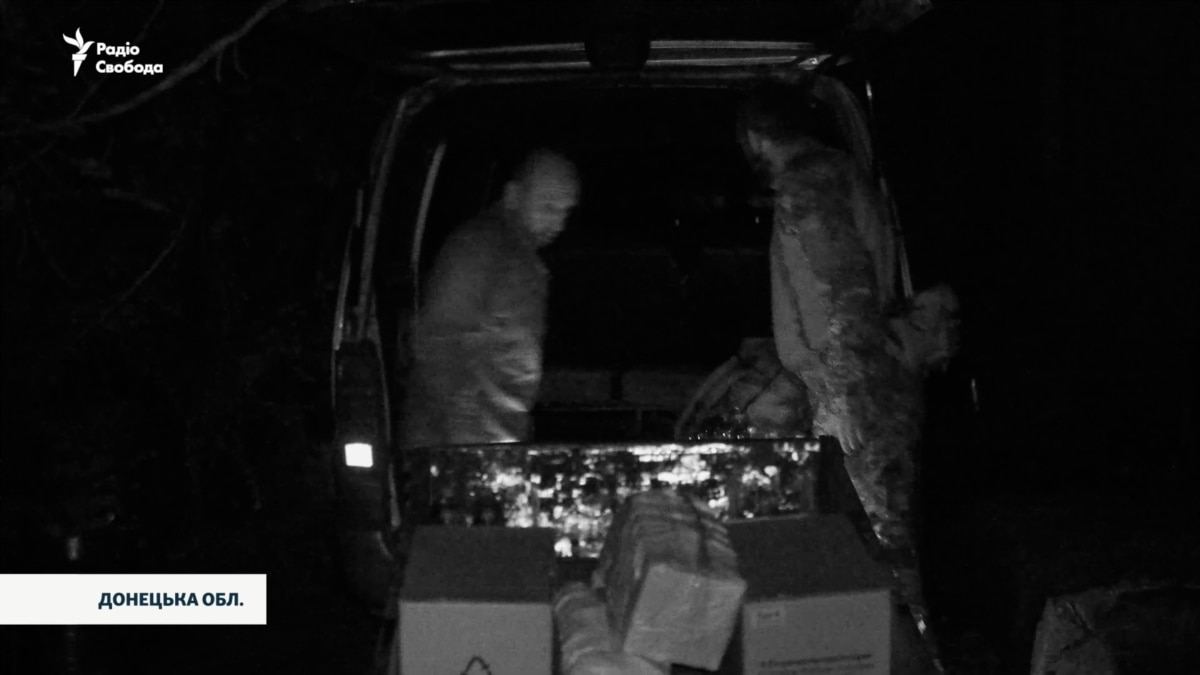
Misha and his fellow soldiers loaded weapons, gear, and supplies onto a trailer towed by an all-terrain quad bike. The arrangement allows infantrymen to cover several kilometers on foot carrying only their personal weapons rather than heavy equipment bags.
After the quad bike departed with the cargo, the soldiers marched through pitch darkness along dirt roads cut with deep ditches. The group moved rapidly without flashlights to avoid attracting enemy drones. Misha walked effortlessly, repeatedly pulling ahead of the group by several dozen meters while the rest of the team hurried to keep up.
Upon reaching a riverbank, Misha loaded the infantry supplies into a boat and rowed soldiers across to their combat positions. On the return trip, he ferried back troops who had just completed a month-long deployment on the front line.

During the trek back from the river, Misha again maintained a lead of several dozen meters ahead of the group. The soldiers were forced to dive into roadside vegetation multiple times to take cover from incoming Russian Molniya aircraft-type strike drones.
Frontline Conditions and Soldier Testimonies
Among the troops Misha escorted back from the front line was a 49-year-old Auster battalion fighter known by the call sign Advokat. Having completed a month at combat positions, Advokat said he continues fighting for his land and what he loves despite constant tension on the front.
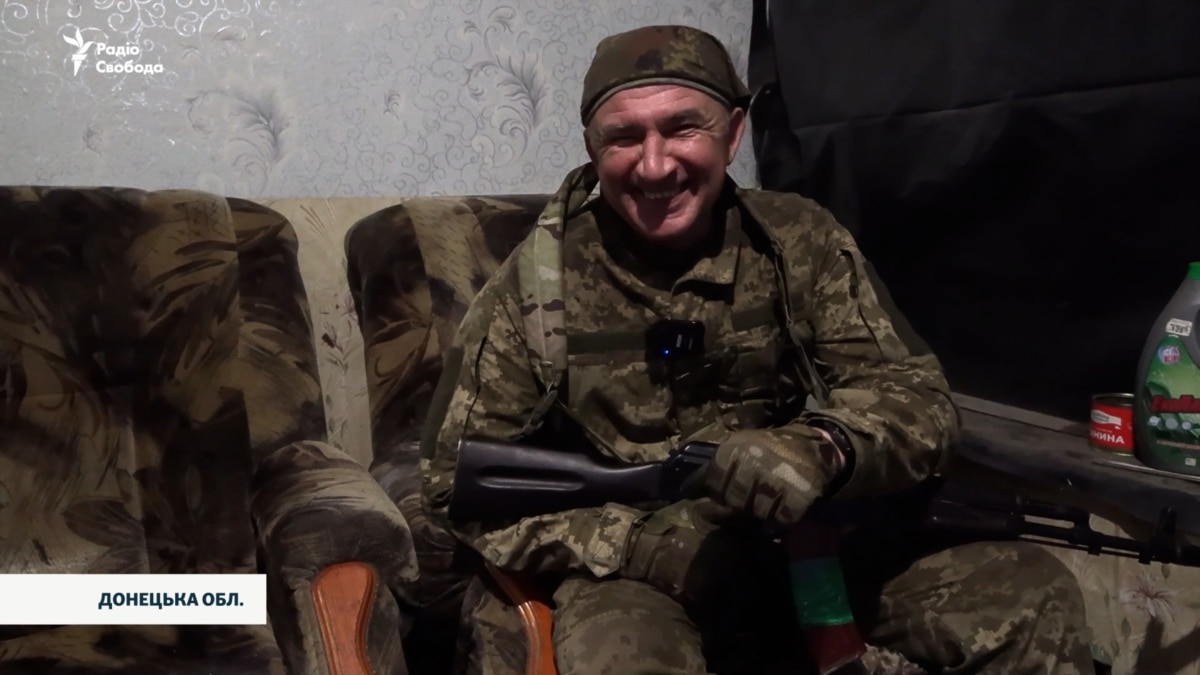
Advokat described the situation on the front line as intense and constantly changing, noting that Russian forces bombard their positions heavily with KAB guided aerial bombs. He stated that soldiers have become accustomed to FPV drones, but noted that six or seven aerial bombs can strike in a single morning, followed by three more by afternoon.
Advokat emphasized that the river crossing is the most dangerous portion of the route due to frequent enemy FPV drone activity overhead. Despite the relentless attacks, he expressed confidence in ultimate victory, noting that Ukrainian troops possess nerves stronger than Russian iron. He added that Misha provides immense logistical support to the unit.
Misha's battalion commander, who uses the call sign Trener, also commended the older soldier's physical endurance and operational performance.
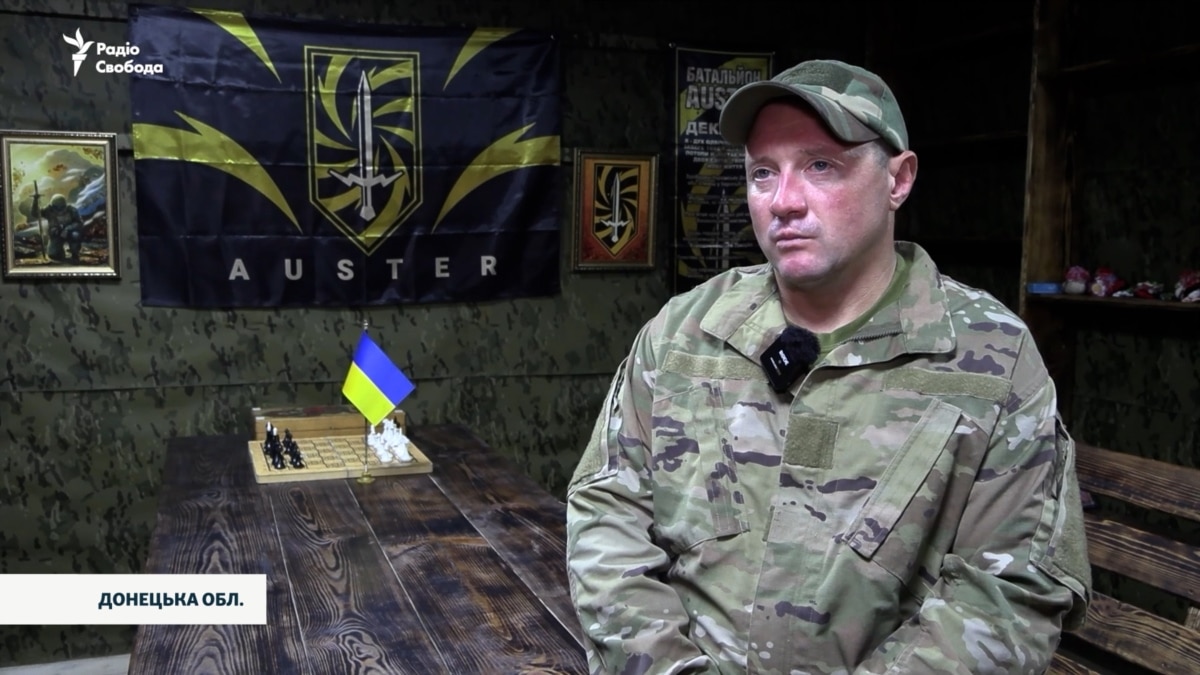
Trener reported that Misha executes combat tasks with exceptional strength and takes deep personal responsibility for infantry resupply. The commander noted that Misha even carried heavy equipment for fellow soldiers single-handedly while they rested during rotations, describing his performance as extraordinary for a man of his age.
From Diamond Cutting to Agricultural Work
Misha was born on August 28, 1965, in the village of Petriv in Ivano-Frankivsk Oblast, where he completed village school. He later studied traditional crafts at a vocational school and completed practical training at a diamond cutting enterprise.

Deciding that diamond cutting did not suit him, Misha spent decades working seasonal agricultural jobs following his initial military service. He worked on construction sites, stacked hay, harvested sugar beets, and tended livestock. When conflict began in eastern Ukraine in 2014, Misha remained on his farm caring for cattle and sleeping near the livestock, noting that agricultural labor requires hands-on experience to fully understand.
When Russia launched its full-scale invasion, Misha decided to leave farm work and enlist in the military. Hearing that younger people were being called up to fight, he decided to utilize his health and requested infantry duty at the enlistment office because it represented the most challenging work.
Under Ukrainian martial law, mobilization primarily applies to men aged 25 to 60. During basic military training, instructors made no concessions for Misha's age, requiring him to complete multi-kilometer marches, pitch military tents, and train with small arms and anti-tank weapons alongside younger recruits.
Misha stated that enduring harsh weather conditions and crawling through mud, snow, and sand reinforces his motivation and understanding of infantry work. He added that decades of outdoor physical activity allow him to move through forest terrain with ease and confidence.
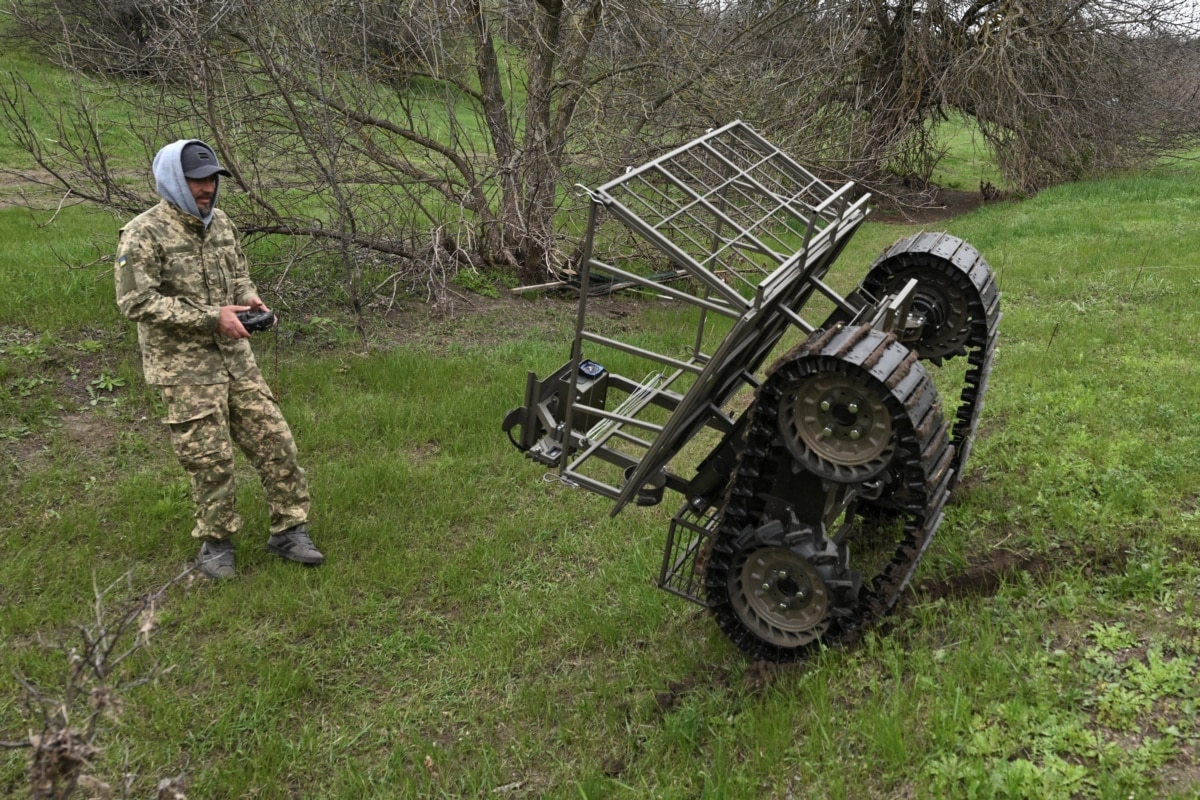
Misha stressed that while automated systems and drones perform significant tasks on the battlefield, infantry strength will ultimately determine the outcome of the war. He stated that Ukrainian forces must remain resilient and hold their ground against Russian forces that continue to advance despite heavy losses.
Frontline Context and Military Operations
In related developments, Ukrainian President Volodymyr Zelenskyy stated on August 12 that Ukrainian forces had reclaimed 26 settlements across Dnipropetrovsk, Donetsk, and Zaporizhzhia Oblasts since January, liberating 745 square kilometers during offensive operations in the Oleksandrivka direction.
Assessments from the Institute for the Study of War noted that Russian forces pursued offensive operations in the Sloviansk direction in early August without achieving confirmed progress, as Ukrainian forces launched counterattacks in the area.
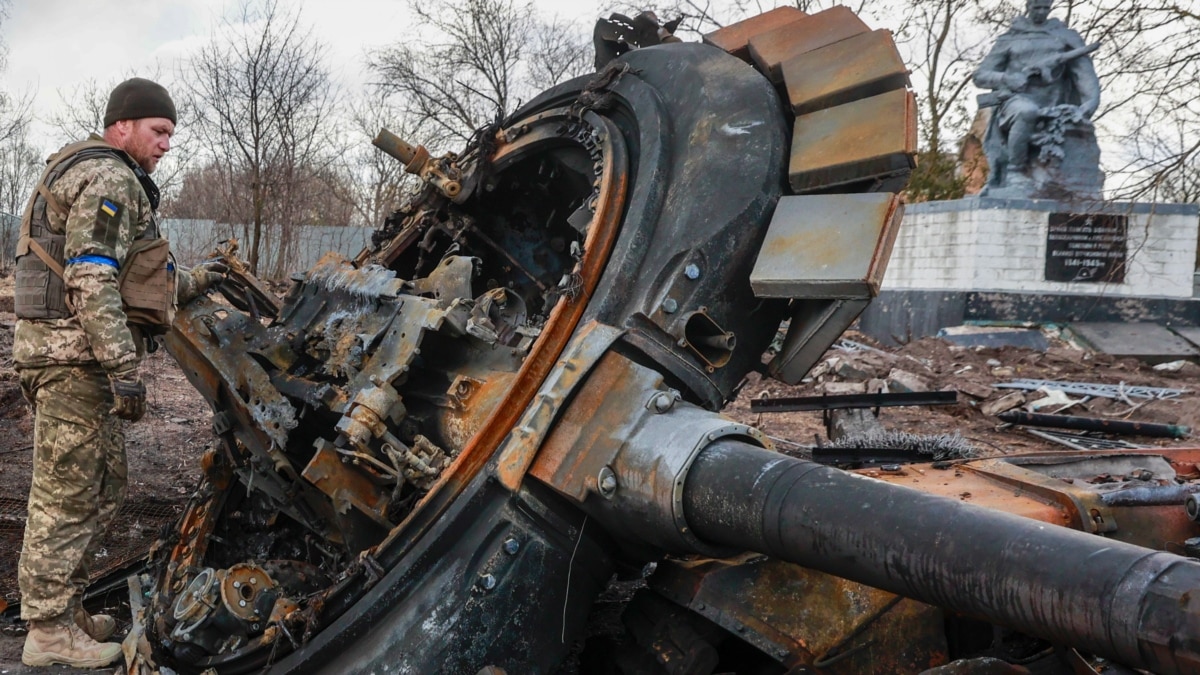
The Institute for the Study of War further reported that Russian tactical offensive operations in the Kostiantynivka-Druzhkivka area on August 13 and 14 similarly failed to yield confirmed territorial gains.