

HBO director Casey Bloys has revealed that the platform is planning to end its hit drama series The Last of Us with its third season.
The decision follows a controversial second season and the departure of key creative leaders behind the high-profile post-apocalyptic television adaptation.
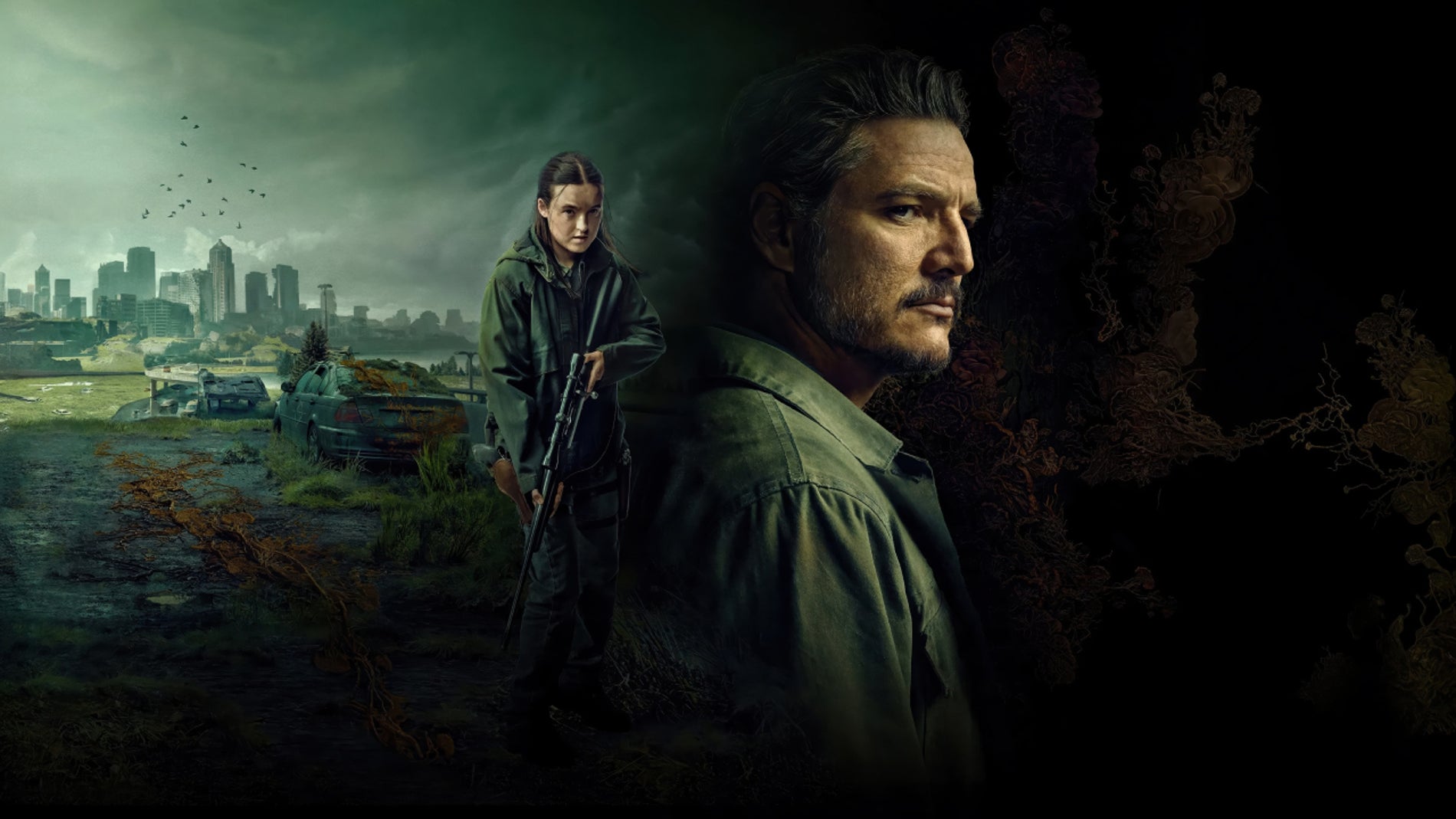
The series, adapted from Naughty Dog's critically acclaimed PlayStation video game franchise, stars Pedro Pascal as Joel Miller and Bella Ramsey as Ellie. Produced for HBO Max, the drama debuted to record viewership and widespread critical acclaim for its depiction of a devastated post-pandemic United States.
Bloys, who oversees content strategy for HBO and HBO Max, shared the network's future outline during an industry presentation. He indicated that network executives are currently structuring the upcoming third entry as the definitive final chapter for the flagship television series.
Industry observers had largely anticipated the decision to conclude the show early following the mixed audience reaction to the second season. While the opening season won over viewers with its emotional depth, the follow-up installment generated significant controversy among fans and critics alike.
Key creators step away from production
Production on the third season has been complicated by major personnel changes behind the scenes. Co-creator Neil Druckmann, who originally created the video game franchise at Naughty Dog and co-developed the television series, has officially exited the project.
Druckmann's departure leaves co-creator and showrunner Craig Mazin, known for his Emmy-winning work on HBO's Chernobyl, managing the franchise transition. However, Mazin is now actively occupied with developing a new television series centered on the Baldur's Gate universe, which will serve as his next major project.
Baldur's Gate is a long-running fantasy role-playing video game franchise originally created by BioWare and based on the Dungeons and Dragons tabletop system. Mazin's commitment to the new fantasy project has further strained the production schedule for the HBO drama.
With key leaders departing and Mazin shifting focus to new intellectual properties, network executives concluded that wrapping up the adaptation makes strategic sense. Concluding the story in the next set of episodes offers a clear endpoint following the negative reception to season two.
Pacing flaws and condensed runtime
Despite the logic behind ending the series, the decision to wrap up the narrative in three seasons could create major structural problems for the show. Season two faced heavy criticism for lacking character backstory and feeling severely rushed in its overall runtime.
By condensing Ellie's tragic quest for vengeance into just seven episodes, the second season reduced a complex narrative to its barest plot points. Ramsey's portrayal of Ellie was forced to move through major story beats without the gradual pacing present in the original material.
In Naughty Dog's video game, players experienced Ellie's emotional descent into darkness over dozens of hours of gameplay. By contrast, the television adaptation was forced to execute her character transition at top speed, stripping away critical context.
Critics caution that season three risks repeating the exact same fatal flaw by compressing the remaining source material. The upcoming season must condense Abby's full storyline along with the narrative epilogue set in Santa Barbara into a single batch of episodes.
Producers now face a difficult creative dilemma regarding how to structure the remaining story. While the remaining material contains too much narrative content for a single extended series finale, it lacks sufficient volume to justify a full fourth season. Consequently, Mazin faces the challenge of dividing this final stretch into television-oriented episodes.
Abby's redemption arc and emotional core
Following an uneven second season, significant doubts remain over whether the series can correct course and deliver a triumphant final season. The second season made it difficult for viewers to appreciate the most compelling aspect of Abby's arc: the revelation that the antagonist was seeking revenge for the murder of her father.
Nevertheless, season three still presents an exciting narrative opportunity for Abby's character. The upcoming storyline centers heavily on her path toward redemption as she attempts to process her lingering grief and move past her violent past.
To cope with her deep emotional pain, Abby takes under her protection a young boy characterized by his remarkable vitality. Their bond, which develops into a relationship resembling an older sister and younger brother, becomes the emotional pillar of her story.
If the third season successfully captures that touching dynamic on screen, the drama has a strong opportunity to conclude in the best possible manner. A broad consensus exists among fans that the ending of the video game The Last of Us Part II is perfect. Provided the showrunners faithfully adapt those final moments, the series will achieve a fitting conclusion that meets expectations.