

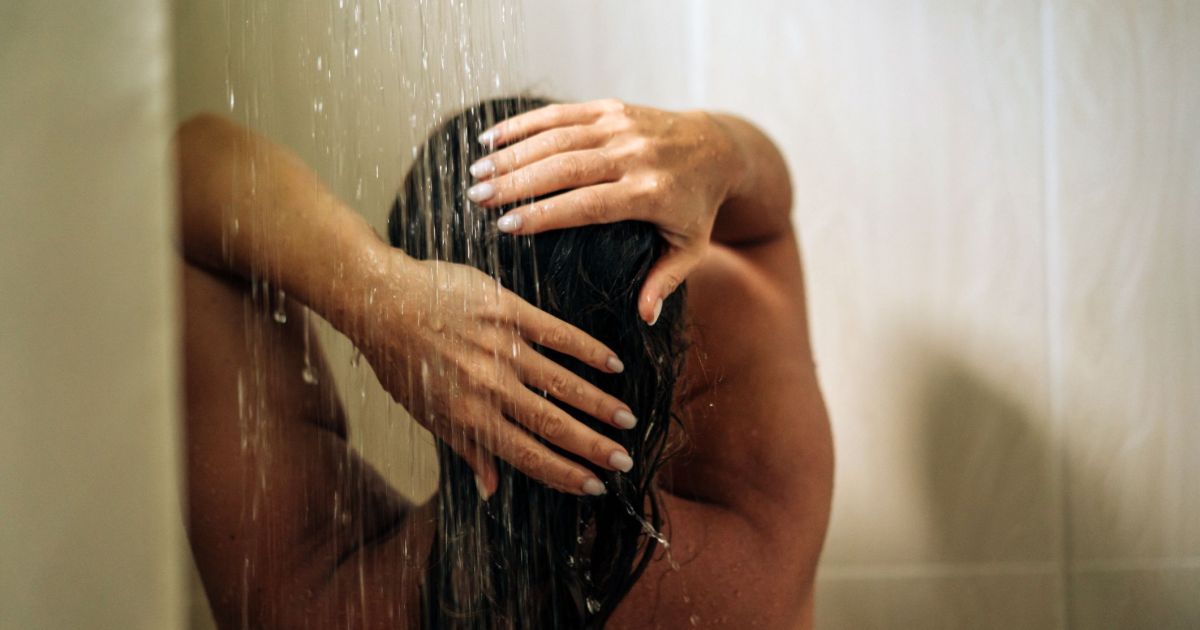
Skipping the blow-dryer before bed might feel harmless, but dermatologists warn that regularly sleeping with wet hair can damage both the hair strands and the scalp over time.
The problem starts with the structure of the hair itself. When hair is wet, each strand becomes more fragile, elastic and prone to mechanical damage. Constant contact with a pillow during sleep increases friction, which can lead to breakage, frizz and split ends.
What happens to the scalp
The concern is not limited to the hair strands. Keeping the scalp damp for several hours can create a warm, humid environment that makes it easier for certain microorganisms to multiply. In people who are already prone to scalp issues, this can contribute to problems such as dandruff, inflammation and folliculitis.
That does not mean a single night with wet hair will cause an infection. The risk lies mainly in repeating the habit and in the individual characteristics of a person's scalp. Persistent symptoms such as itching, flaking, redness or lesions should be evaluated by a dermatologist.
Maria Augusta Maciel, a dermatologist and trichologist at the Institute of Medical Assistance for State Public Servants (Iamspe) in Sao Paulo, said that spending hours with a wet scalp can alter this environment and encourage the growth of microorganisms that already live naturally on the skin. She said dandruff, also known as seborrheic dermatitis, was long associated mainly with the fungus Malassezia, but more recent studies suggest it has multiple causes, including the activity of the sebaceous glands, the skin barrier, changes in the microbiome and how the skin reacts to that imbalance.
Iamspe is a public health institute that provides medical care to state civil servants in Sao Paulo.
Maciel also addressed a common myth: sleeping with wet hair does not cause flu or a cold. Those illnesses are caused by viruses, not by moisture in the hair.
Is it better to use a hair dryer instead?
If heat can also damage hair, is it safer to just let it dry naturally overnight? According to the dermatologists, the safest approach is to avoid both extremes. Excessive heat can damage the hair fibre, particularly when a dryer is used at very high temperatures or held too close to the strands. At the same time, leaving hair wet for hours increases fragility and friction during sleep.
One alternative is to first remove excess water with a towel, without rubbing, and let the hair dry partially in the air. If it is still damp at bedtime, a dryer can be used on a low or medium heat setting, avoiding intense heat.
Carolina Haddad, a dermatologist and trichologist at Hospital Alemao Oswaldo Cruz, said a hair dryer should be used correctly, held at a distance of at least 15 centimetres, set to a warm rather than hot temperature, and kept moving during drying so it does not stay fixed on one section of hair.
Hospital Alemao Oswaldo Cruz is a private hospital in Sao Paulo.
Does wet hair break more easily?
The answer is yes. Water temporarily changes the properties of the hair strand, making it more vulnerable to tension. That is why combing, tying up or handling wet hair requires extra care.
Maciel explained that a hair strand is held together by internal bonds that give it strength, and water temporarily breaks the weaker of these bonds, known as hydrogen bonds, making the strand more elastic and pliable while it is wet. She said these bonds re-form once the hair dries, but until then, the strand remains more vulnerable to breaking from any friction.
The problem can be worse when wet hair is tied into a bun, ponytail or tight braid before bed. Along with the fragility caused by moisture, the added tension can increase breakage.
How hair type changes the risk
The dermatologists also noted that hair type affects how much care is needed. Curly, coily, fine, thick or chemically treated hair can respond differently to moisture, friction and heat.
Haddad said hair that is naturally finer or that has been chemically treated, bleached or straightened, and has already undergone repeated damage, is more susceptible to breakage, frizz and further damage, meaning people with this hair type should take extra care.


