


Sleep supplements sold across retail shelves carry only one ingredient legally cleared to claim it aids sleep, according to an analysis by Benjamín Pelaz.
Pelaz reported for Spanish newspaper La Razón on 11 November 2026 that despite dozens of products promising a better night of rest, melatonin alone holds an authorized European Union health claim for reducing the time needed to fall asleep.
Other widespread ingredients such as magnesium and assorted vitamins carry approved claims for reducing tiredness or supporting muscles and the nervous system, but European regulations do not permit them to claim any sleep benefits.
Under European Union law, manufacturers of dietary supplements cannot market health benefits without formal regulatory clearance based on scientific proof, designed to protect shoppers from unverified product claims.
European Regulations on Herbal Sleep Remedies
Traditional botanical ingredients such as valerian root, passionflower, lemon balm, and ashwagandha carry no approved health claims in the European Union. Regulatory applications evaluating plant extracts have remained frozen on hold since 2010, meaning none appears on the official European register of authorized claims.
Pelaz explained that a plant origin does not make an ingredient scientifically proven, but simply indicates that European regulators have not yet issued a final verdict on its efficacy.
The report examined five commercial products to illustrate how ingredient labels correspond to European legal standards, ranging from targeted bedtime formulas to general multivitamins and isolated mineral compounds.
Bedtime Formulations and Sleep Onset
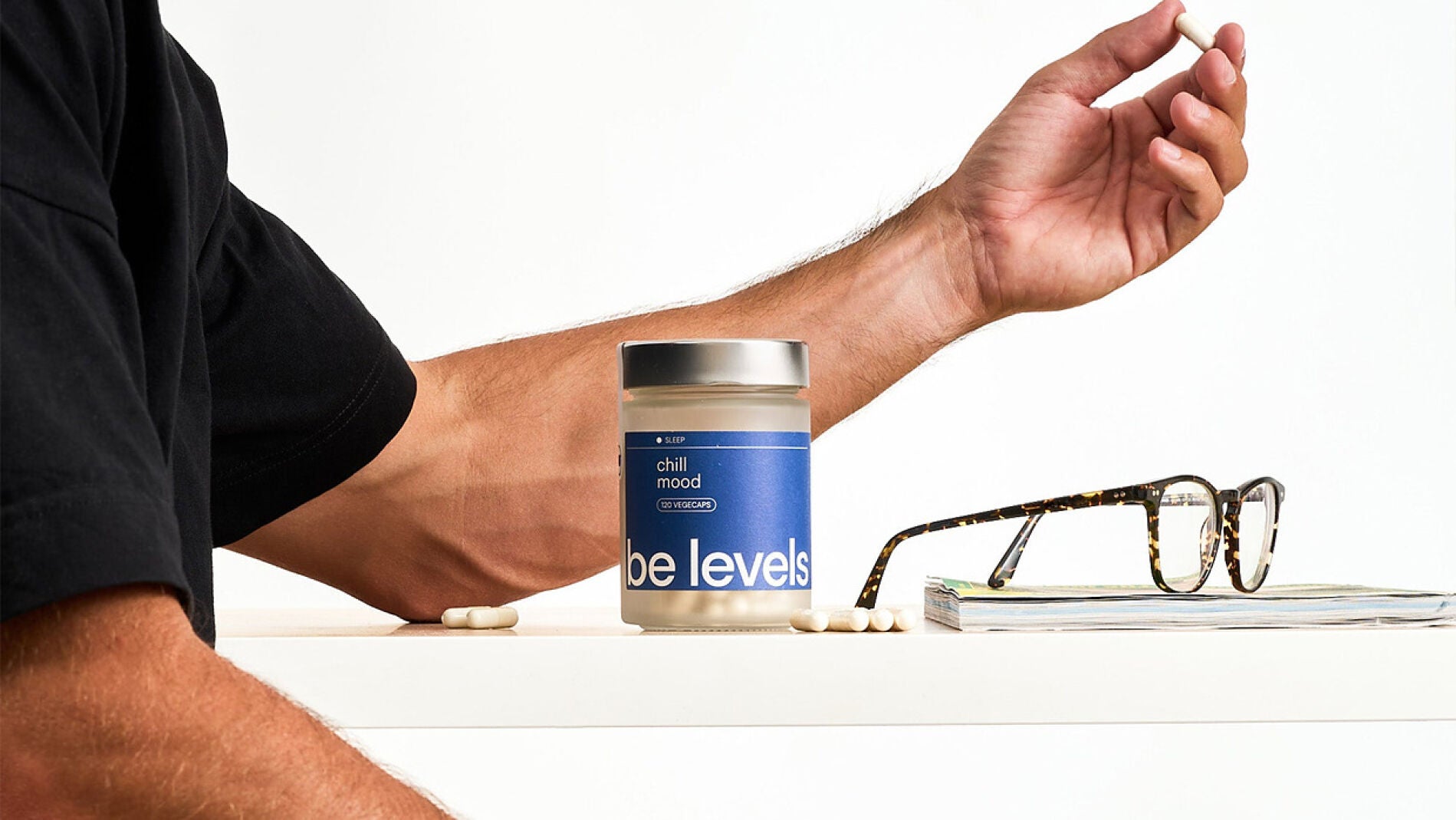
The chill mood formula from Be Levels is structured specifically around bedtime, with a manufacturer recommendation of four capsules taken ideally one hour before sleeping, or distributed from late afternoon until bedtime.
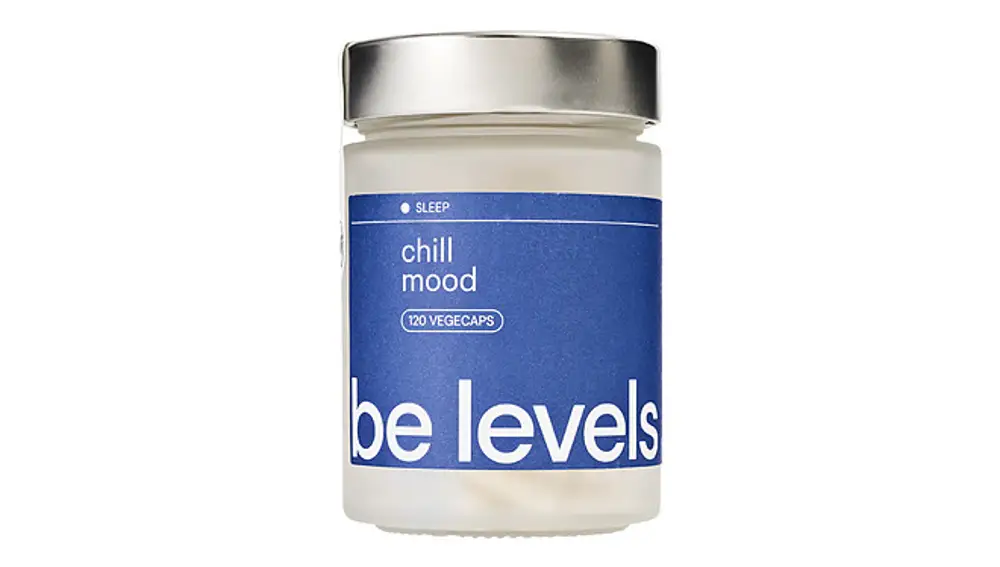
Each daily serving contains 1.9 milligrams of melatonin, exceeding the one-milligram reference amount required under European law to claim a reduction in the time needed to fall asleep.
The formula also incorporates amino acids, led by 2,000 milligrams of glycine as its heaviest ingredient alongside tryptophan and GABA. None of these three amino acids appears on the European register of authorized health claims, preventing the brand from legally claiming any physical effect for them.
Other components include vitamin B6 and vitamin C to support normal nervous system function and reduce tiredness, zinc for normal cognitive function, and vitamin D for normal muscle function. However, the product contains only 54.9 milligrams of magnesium, leaving it below the legal threshold required to qualify as an official source of magnesium.
The product label advises that pregnant or breastfeeding women, as well as individuals taking antidepressant medications, require medical supervision before using melatonin. The vegan, gluten-free, and lactose-free bottle provides 120 capsules for a one-month supply, and Pelaz noted that readers of La Razón can use promotional discount code LARAZON5%OFF on the brand website.
Daily Multivitamins and Omega-3 Fatty Acids
Multicentrum Plus Ginseng Ginkgo is formulated as a general adult multivitamin requiring one tablet daily, with a 30-tablet container lasting one month.
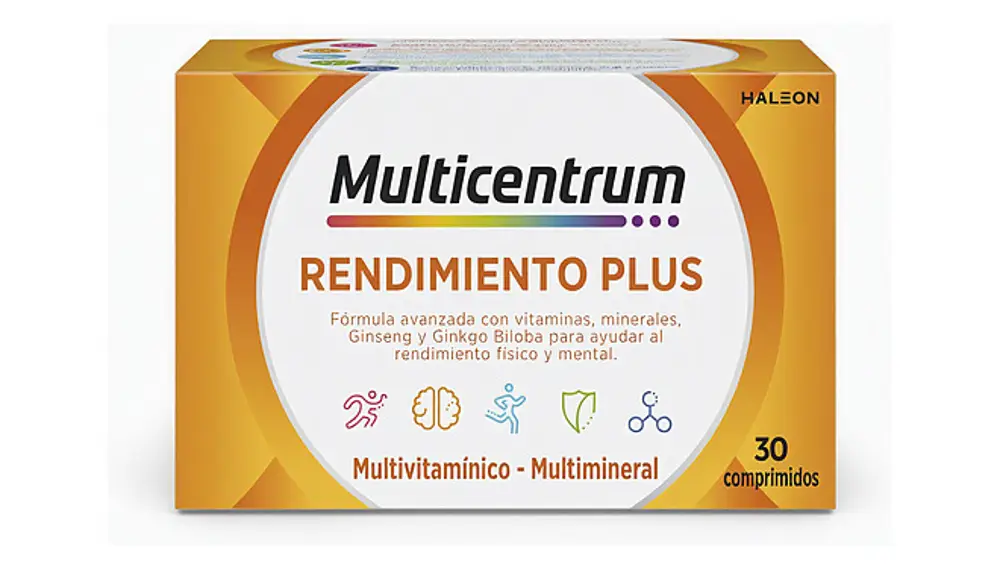
Its recipe combines B vitamins, vitamin C, zinc, and iron with botanical extracts of ginseng and ginkgo. Because botanical claims remain unresolved across the European Union, neither plant extract can legally claim any health benefit, meaning consumers must check the box nutrition table to ensure vitamins and minerals meet minimum legal thresholds.
WeightWorld Omega 3 supplies anchovy oil in a daily dose of two softgels, with each container lasting four months.
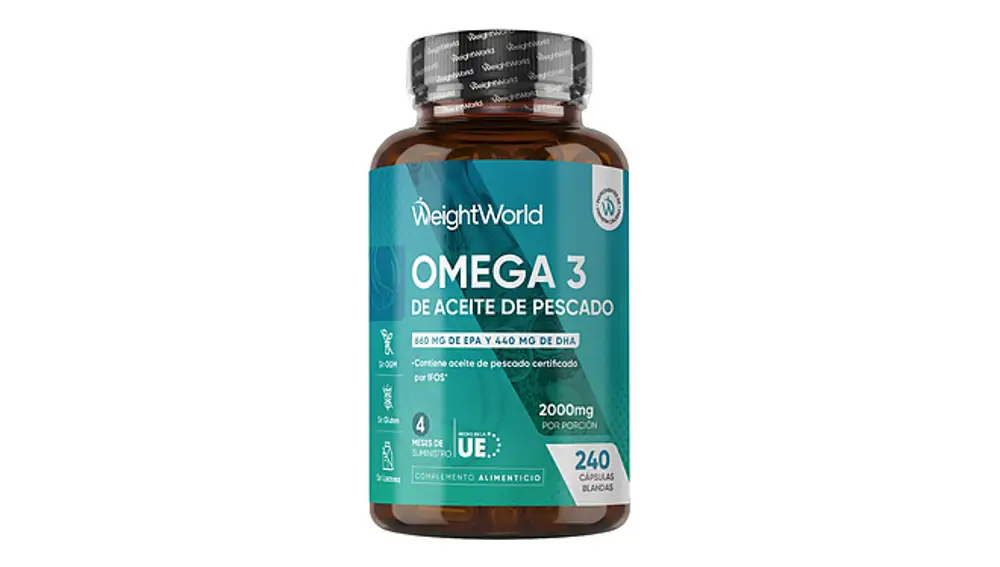
The daily serving delivers 660 milligrams of eicosapentaenoic acid (EPA) and 440 milligrams of docosahexaenoic acid (DHA). European regulations permit claims that DHA helps maintain normal brain function and vision, while EPA and DHA together support normal heart function, with each benefit requiring at least 250 milligrams daily.
Pelaz emphasized that none of these authorized statements relates to sleep, meaning fish oil offers no legally verified rest benefit. The formula also includes vitamin E, which the label includes strictly as an antioxidant preservative to protect the oil from spoilage rather than as a primary nutrient.
Mineral Forms and Beauty Formulations
The natural elements Biotin, Zinc and Selenium supplement provides a 365-tablet container designed to last an entire year with a dosage of one tablet daily.
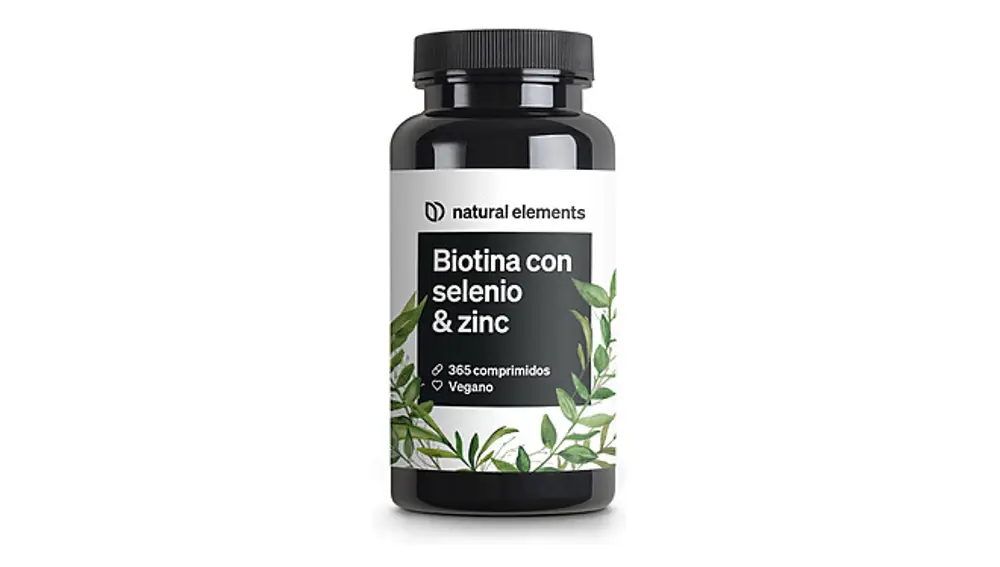
Its formula supplies 1,000 micrograms of biotin, 10 milligrams of zinc, and 55 micrograms of selenium. European rules permit claims that biotin supports normal skin and hair, selenium maintains hair and nails, and zinc supports hair, nails, and skin.
The label specifies that zinc appears as zinc bisglycinate and selenium blends organic and inorganic forms. Pelaz warned consumers against combining this product with chill mood, as both contain zinc and their combined daily amounts accumulate.
Nutralie Magnesium Complex advertises 2,145 milligrams on the front of its container, but that figure represents the combined weight of two chemical salts, magnesium citrate and magnesium bisglycinate.

The actual elemental magnesium delivered in a full daily dose of two to three capsules is 301.95 milligrams. The 120-capsule bottle lasts up to two months when taken with meals in the morning, afternoon, or evening.
This elemental amount qualifies the product as an official source of magnesium, allowing claims that it helps reduce fatigue, supports muscle and nervous system function, and aids normal psychological function. Magnesium carries no approved claims for sleep, with bedtime consumption permitted merely for user convenience, while vitamins C, B5, and B6 serve as accompanying nutrients.
Common Misconceptions and Ingredient Dosages
Pelaz cautioned shoppers against assuming that long ingredient lists indicate superior quality, explaining that formulas often feature minor quantities of many substances simply to bulk out the label. Shoppers should examine the nutrient reference value column, marked VRN or NRV, to confirm whether vitamins and minerals reach meaningful dietary levels.
Shoppers must also distinguish between total salt weight and elemental minerals, checking the label for the specific elemental amount per serving rather than relying on large front-of-pack numbers.
Regulatory approvals also differentiate between falling asleep and staying asleep. The authorized melatonin claim applies solely to reducing the time needed to fall asleep, with no approved claim existing for waking in the middle of the night or sleeping without interruption.
Similarly, no ingredient holds European approval to claim stress reduction. While magnesium, vitamin B6, and vitamin C have authorized claims for normal psychological function, regulators treat psychological support and stress relief as distinct concepts.
Lifestyle Measures and When to Consult a Doctor
Before purchasing supplements, Pelaz advised testing basic sleep hygiene habits that cost nothing. These include maintaining fixed bedtimes and wake-up times throughout the week and weekend, leaving mobile phones outside the bedroom, avoiding caffeine from mid-afternoon onward, and eating lighter evening meals.
Consumers deciding to test a supplement should track their sleep quality in a phone note and evaluate a single container over one or two months, stopping if they notice no clear improvement rather than continuing out of habit.
Food supplements are sold over the counter in pharmacies, herbal shops, and online stores, whereas sleep medications require a physician prescription. Pelaz noted that shoppers combining supplements must avoid duplicating ingredients like zinc or vitamin D, never exceed recommended daily dosages, and consult a doctor or pharmacist when taking medication or during pregnancy and breastfeeding.
Medical evaluation is recommended if sleep difficulties persist for weeks and impair daytime life, or if an individual experiences heavy snoring, pauses in breathing during sleep, or unshakeable fatigue. The report concluded with the regulatory reminder that food supplements cannot replace a varied diet or healthy lifestyle, noting that the article was published in the shopping section of La Razón and contained commercial affiliate links.


