

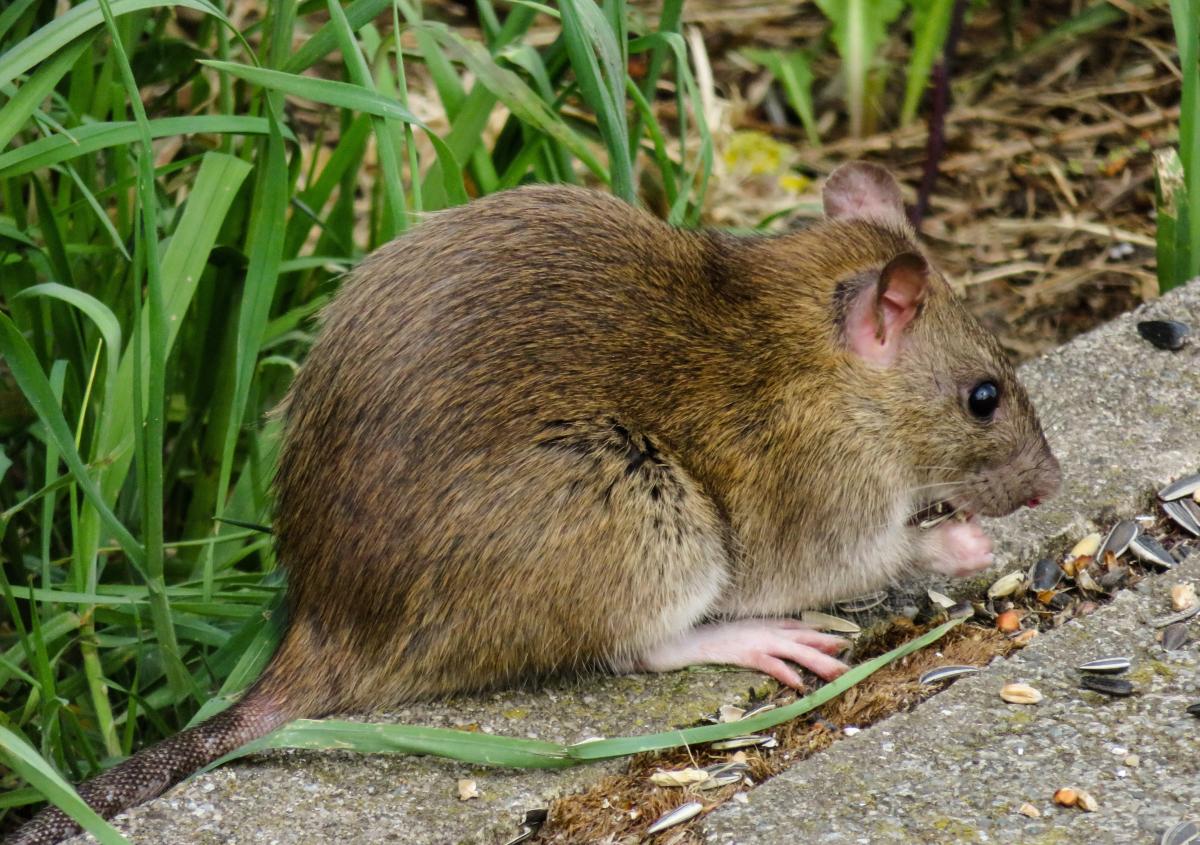
German consumer publication Chip.de has detailed eight warning signs of rat infestations in homes and cellars, outlining natural methods to deter the pests.
Rodents cause serious disruption indoors by chewing through electrical wiring, ruining stored provisions, and transmitting multiple diseases, making prompt detection essential for household safety.
Chip.de, a long-running German consumer guidance portal based in Munich, reported that wild rodents leave unmistakable traces in living areas even when the animals themselves remain out of sight.
Telltale signs of rat activity
According to the German outlet, droppings are among the clearest indications of a rodent presence. The pests leave dark, glossy droppings shaped like large grains of rice, which are most commonly found running along walls or next to household rubbish bins.
Footprints and tail marks provide another visible sign in dirty or dusty spaces. The animal leaves prints displaying five toes on its hind paws and four on its front feet, alongside distinct elongated drag marks created by its trailing tail.
Gnaw marks on household materials also reveal active rodents. Rats readily chew through tough surfaces to reach food or nesting sites, leaving visible damage on electrical wiring, woodwork, food packaging, and plastic bin bags.
Audible scuffling after dark is another common warning sign. Because rats lead a nocturnal lifestyle and remain hidden by day, residents frequently hear rustling and pattering sounds coming from living areas at night.
Physical traces and indoor smells
Greasy rub marks along pipes and walls indicate regular travel pathways. As rats repeatedly move along their established routes, oily residue from their body fat rubs off against surfaces, leaving dark, greasy streaks behind.
Nests built in attics, compost piles, wall cavities, and hard-to-reach recesses indicate an established presence. The nests resemble untidy balls of soft shredded materials, and droppings and food scraps are frequently scattered nearby.
A sharp, unpleasant smell of ammonia is another clear indicator of rat occupancy. The pungent odour often permeates infested spaces before any animal is seen.
Vanishing food leftovers also signal rodent activity. If food left out the day before disappears overnight in a home without pets, rodents are almost certainly responsible for taking the provisions.
Nesting locations and natural repellents
Chip.de noted that rats most often settle in cellars, outbuildings, sewers, maintenance floors, and food pantries, where they have easy access to food and water. In multi-storey buildings, they are most frequently detected on ground floors.
While poisons and mechanical traps are common eradication methods, the publication highlighted a significant drawback. If an animal swallows poison and dies in an inaccessible hiding place, the decomposing carcass produces an overpowering, lingering stench.
Natural scent deterrents offer an effective way to drive rodents away without leaving carcasses behind. Spraying living quarters with eucalyptus essential oil, peppermint oil, vinegar, or ammonia creates a scent environment that rats find deeply unpleasant.
Homeowners can also place dried herbs near rat burrows to deter the pests. Bundles of wormwood, tansy, and houndstongue emit strong aromas that rodents dislike, forcing them to abandon the property and seek shelter elsewhere.


