

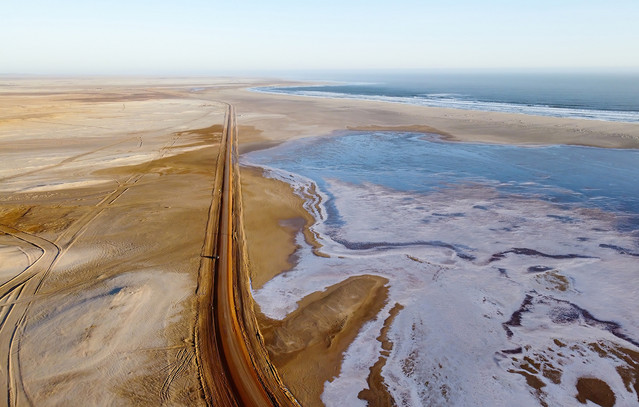
The Skeleton Coast stretches 500 kilometers along the shore of northern Namibia, where Namib desert dunes meet the Atlantic Ocean. The landscape is strewn with animal bones and the rusted hulks of hundreds of shipwrecks.
Portuguese sailors of the 15th century called the region the Gates of Hell. The local San people described it as the land God made in anger, a name that speaks to the extreme conditions making it one of the most hostile places on earth.
The Benguela Current from Antarctica meets the hot desert air, producing permanent dense fog and unpredictable sea currents. For sailors in past centuries, this proved fatal: fog drove ships onto rocks, strong surf prevented survivors from swimming back, and the desert offered no food or water.
The coast takes its name from those wrecks and from the whale and seal bones washed ashore during the whaling era. The nomadic Himba tribe of northwestern Namibia historically used whale bones as frames for their huts.
Visiting the National Park
Today the area is protected as Skeleton Coast National Park, with strict access rules. The southern section is open to 4x4 vehicles, with a coastal road reaching Terrace Bay and the only permanent state accommodation. The northern stretch from Möwe Bay to the Kunene River on the Angolan border is restricted to organized air safaris, with stays in approved luxury eco-lodges such as Hoanib Skeleton Coast Camp.


