

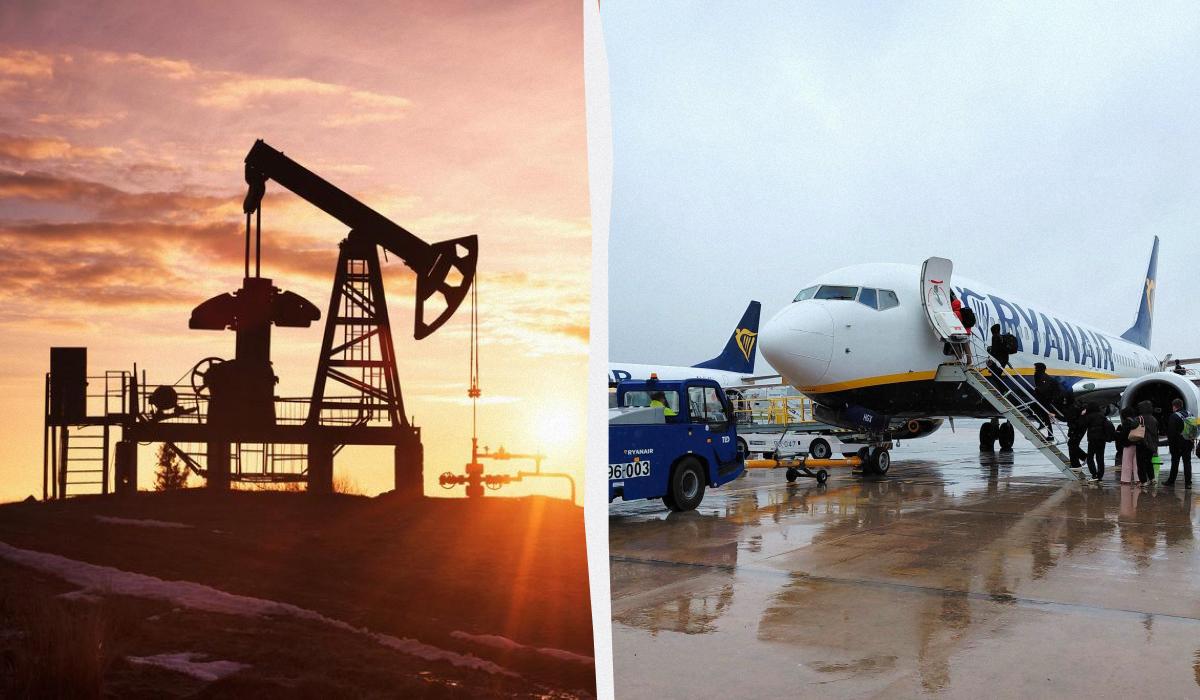
Ryanair is preparing strict cost-cutting measures, including wage freezes and crew reductions, to counter surging jet fuel prices caused by conflict in the Middle East.
European airlines are expected to raise ticket prices by up to 20 percent in 2027 as older fuel hedging contracts expire, according to a report by The Guardian.
Ryanair expects its own fuel expenses to climb by approximately 2 billion euros during the next financial year, which concludes at the end of March 2028.
Michael O'Leary, the chief executive of Ryanair, said that aviation fuel costs would stay high into 2027 unless the Middle East conflict sees a rapid resolution.
Cost review and artificial intelligence
O'Leary said the budget carrier is carrying out an extensive review of all expenditure across the airline group to manage the mounting financial pressure.
He said the company is focusing on airport contract negotiations, revised labor agreements that may require a temporary pay freeze, and cuts to the number of crew members assigned to flights.
The carrier has already started slowing down the recruitment of new pilots significantly to keep payroll expenses under control, O'Leary added.
To offset rising overheads, Ryanair is also widening its use of artificial intelligence in operational planning, back-office administration, and customer support.
The airline already relies on automated systems to deliver a 4 percent boost in operating capacity, according to the head of Ryanair.
O'Leary explained that with 650 aircraft in the fleet, the operation is too large for human staff to manage alone.
He said computer algorithms can build flight timetables far more efficiently than humans, enabling the airline to generate greater productivity from every plane in service.
Fuel hedging and ticket prices
Ryanair revealed that 80 percent of its jet fuel requirements through the end of March 2027 are hedged at a rate of 67 dollars per barrel.
Protection drops sharply after that date, with only 25 percent of the carrier's fuel requirements for the following 12 months locked in at 95 dollars per barrel.
O'Leary warned that the wider aviation industry is beginning to recognize that airlines do not have adequate protection against current market prices.
Fuel hedging is a standard financial practice in commercial aviation where airlines purchase fuel supplies in advance at a fixed rate. This strategy protects carriers from volatile oil markets, but airlines face immediate exposure to market spikes once those agreements conclude.
Ryanair, headquartered in Dublin, operates as a low-cost carrier built on tight cost controls, rapid aircraft turnaround times, and high passenger volume across Europe. Because fuel represents one of the largest single operating costs for budget airlines, prolonged price increases put heavy pressure on basic ticket prices.
At the onset of the fuel crisis in the spring of 2026, Ryanair felt relatively secure because of the volume of fuel it had hedged under older terms, according to Ukrainian travel publication UNIAN Tourism.
With instability continuing across the Middle East, the airline's management is now increasingly warning passengers that steep fare increases are on the horizon.


