

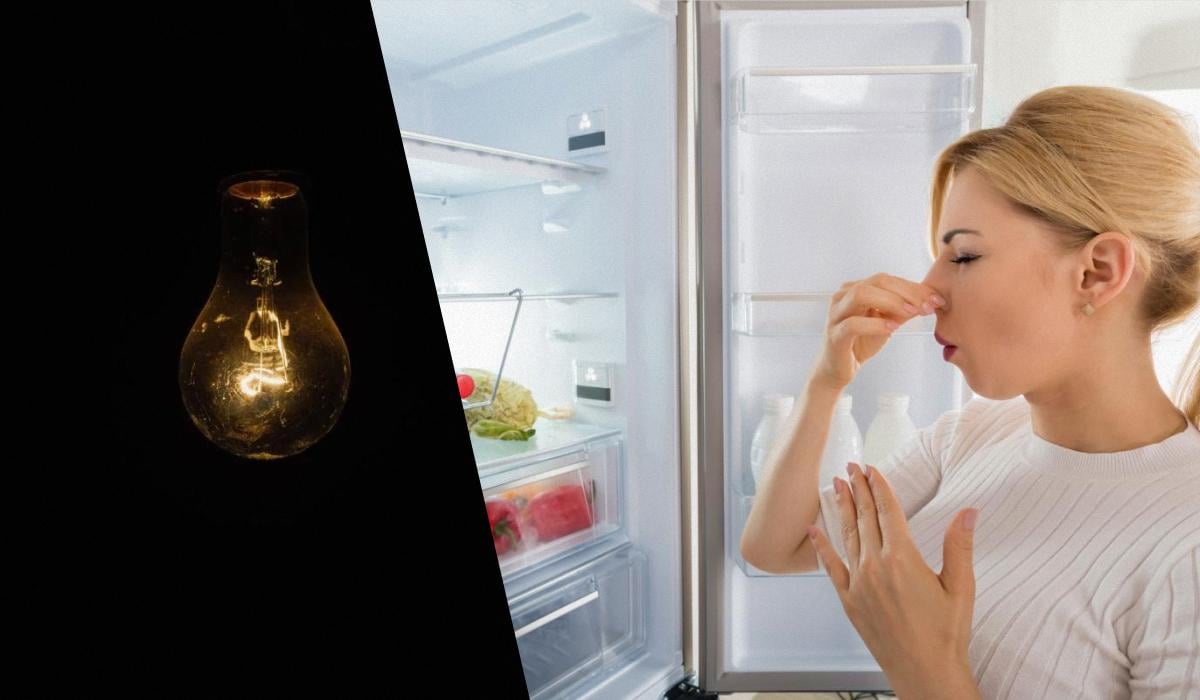
Refrigerators safely keep food cold for about four hours during a power outage as long as doors stay closed, according to tech site SlashGear. As winter approaches and Ukrainians face potential electrical blackouts, experts have outlined how long household appliances retain safe temperatures without electricity.
Several environmental and practical factors can extend or shorten that four-hour window. A refrigerator located in an air-conditioned kitchen retains cold longer than one situated in a hot or sunlit room. Additionally, a fully stocked refrigerator holds its temperature better than an empty one because chilled food and beverages act as a thermal mass, absorbing ambient heat and slowing warming.
To ensure food safety once power is restored, experts recommend using an internal refrigerator thermometer. If the internal temperature remained at 5 degrees Celsius or below throughout the outage, chilled items remain safe for consumption. Five degrees Celsius is widely recognized by public health agencies as the standard safety threshold to prevent bacterial growth on perishable food.
Freezer storage guidelines
Freezers offer a significantly longer buffer during power disruptions if their doors remain unopened. A fully packed freezer can safely keep items frozen for approximately 48 hours without electricity. If the unit is only half full, the safe window shrinks to roughly 24 hours.
The difference in duration stems from the insulating properties of frozen goods. Items inside a full freezer act much like ice packs, meaning a higher volume of frozen mass significantly delays temperature increases within the compartment.
Managing perishable foods during blackouts
If a power outage exceeds four hours, experts advise moving high-risk perishable items into a portable cooler bag packed with ice whenever possible. Priority items requiring urgent cooling include raw meat, dairy products, eggs, and cooked leftovers.
Conversely, items such as condiments, unopened beverages, hard cheeses, butter, and most whole fruits and vegetables do not require immediate transfer. When moving food, residents should avoid opening the freezer repeatedly to preserve its cold reserve. Any perishable items exposed to temperatures above 5 degrees Celsius for four hours or more should be discarded to prevent foodborne illness.
The practical guide follows previous advice for apartment residents evaluating balcony solar panel installations, including potential costs, realistic energy yields, and available equipment options during power shortages.


