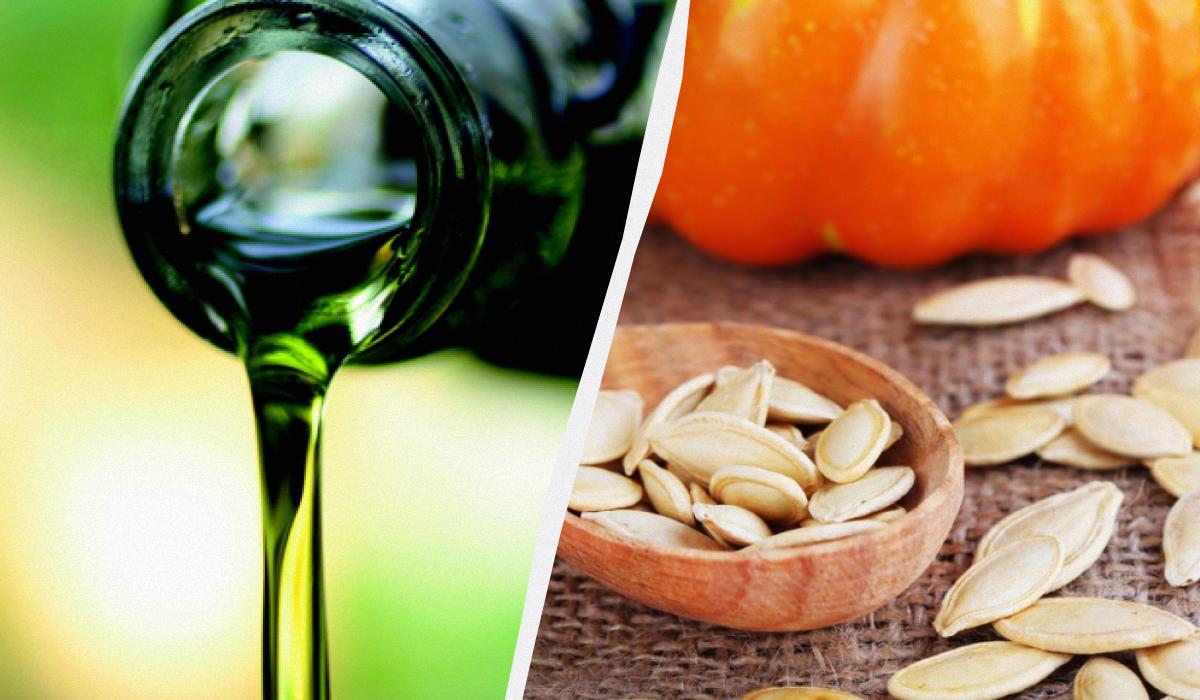
Pumpkin seed oil has been credited with a long list of near-miraculous health benefits, from protecting the heart to easing prostate problems, but scientific evidence suggests those claims are overstated, according to the health outlet Wellandfit. The publication said the oil is a valuable plant-based product, not a medicine.
The oil is produced by pressing pumpkin seeds, and its exact composition can vary depending on the pumpkin variety and how it is processed, Wellandfit reported. Research shows a large share of its fat content comes from unsaturated fatty acids, particularly linoleic and oleic acid, along with tocopherols, compounds in the vitamin E family, plant sterols and various phenolic compounds.
Given that profile, the outlet said pumpkin seed oil can reasonably be considered a valuable dietary oil. However, it said it would be a major exaggeration to claim that the oil alone prevents or treats disease.
Does pumpkin seed oil help the heart?
Wellandfit's authors said there is some scientific evidence pointing to heart benefits, but not enough to promise effects comparable to medication.
One study involved 35 postmenopausal women. Among those who consumed pumpkin seed oil, researchers observed favourable changes after 12 weeks, including in levels of HDL cholesterol, often called "good" cholesterol.
The outlet cautioned that the study was very small, so its findings cannot be used to conclude that pumpkin seed oil improves blood lipid levels for everyone.
From a nutritional standpoint, Wellandfit said what matters more is that pumpkin seed oil is a plant oil containing unsaturated fatty acids, and using it as part of a balanced diet in place of less healthy fat sources can be a reasonable choice. Even so, more is not automatically healthier, since the oil is a high-calorie product like other cooking oils.
Can it affect the prostate?
A 2021 study of men with enlarged prostates found that pumpkin seed oil use was linked to symptom improvement, though standard drug treatment produced a stronger effect. The researchers behind that study said further research was needed.
A larger, one-year study involving more than 1,400 men found that pumpkin seeds themselves produced favourable results for some lower urinary tract symptoms, while pumpkin seed extract showed no clear difference from a placebo.
Wellandfit said this also highlights the importance of distinguishing between pumpkin seeds, pumpkin seed oil and various extracts. The outlet's authors concluded that pumpkin seed oil is not a substitute for a urological examination or treatment prescribed by a doctor.
What about antioxidant effects?
Because pumpkin seed oil contains tocopherols, phenolic compounds and other plant substances, numerous laboratory studies have examined its antioxidant and anti-inflammatory properties.
But a comprehensive 2023 scientific review noted that much of the data on positive effects comes from cell culture studies or animal experiments, Wellandfit reported.
The outlet said that distinction matters: something that shows an antioxidant effect in a laboratory setting does not necessarily mean it significantly lowers disease risk in the human body in the same way.
How much should you use?
Wellandfit said there is no nutritional need to take the oil in special "courses." It is far more natural to include it as part of meals, and its distinctive flavour suits salads, cream soups and roasted vegetables well.
Because it is high in calories, the outlet advised consuming it in moderation rather than adding it as extra calories to a diet that is already high in fat. It also warned against confusing pumpkin seeds with pumpkin seed oil, since whole seeds, unlike the oil, also provide significant amounts of protein, fibre and minerals.
UNIAN previously reported that one tablespoon of milk thistle oil before breakfast may support liver health. That oil contains unsaturated fatty acids and vitamin E, but it does not have the special "detoxifying" properties often described on social media.