

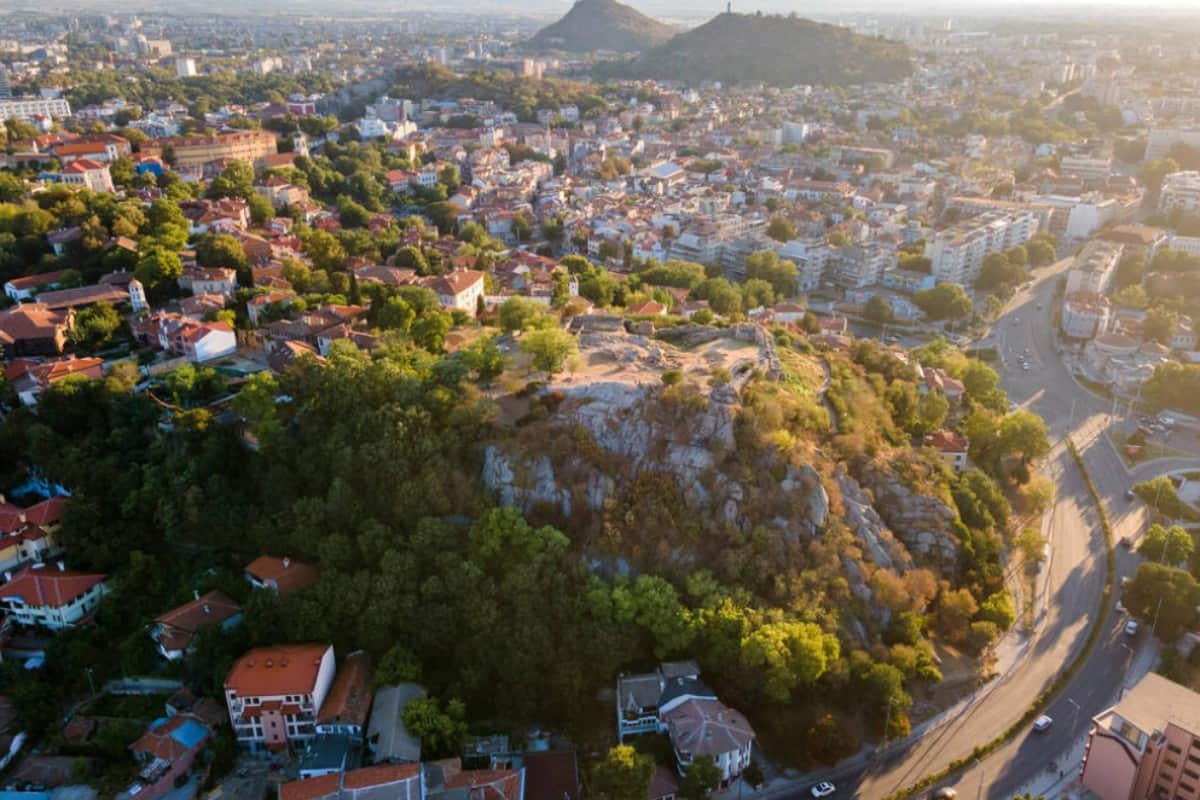
Plovdiv, Bulgaria's second-largest city, is Europe's oldest continuously inhabited city and, according to Travel Off Path, one of the continent's cheapest and safest destinations.
The city has been settled without interruption for over 8,000 years, the publication reports, making it more than 3,000 years older than Athens. Its population today is around 300,000.
Plovdiv's most visible historical layer is Greco-Roman. The main pedestrian street, Glavna, runs above the ruins of a Roman stadium, fragments of which remain visible at street level. Inside a central H&M store, visitors can descend underground to see preserved marble seats from the same stadium.
The headline landmark is the Ancient Theatre of Philippopolis, the Roman-era name for the city. Travel Off Path describes it as one of the best-preserved Roman theatres in the world, with 7,000 seats, and notes it still hosts concerts and opera.
The city also holds Ottoman landmarks: the 15th-century Dzhumaya Mosque and the Sahat Tepe tower, one of the oldest clock towers in the Balkans. Nebet Tepe hill preserves prehistoric remains dating to around 4000 BC.
Food costs up to 70 percent less and accommodation up to 60 percent less than in major Western European cities, the publication reports. Budget lodging runs $35 to $60 a night; a three-course dinner for two, $35 to $55; a cappuccino or local beer, $2 to $3; a bus ride, $0.60.
Bulgaria scored 89 out of 100 on the Traveler Safety Index, and the US State Department assigns the country its lowest threat rating. The train from Sofia takes about 2.5 hours; from Varna on the Black Sea, seven hours with connections.


