

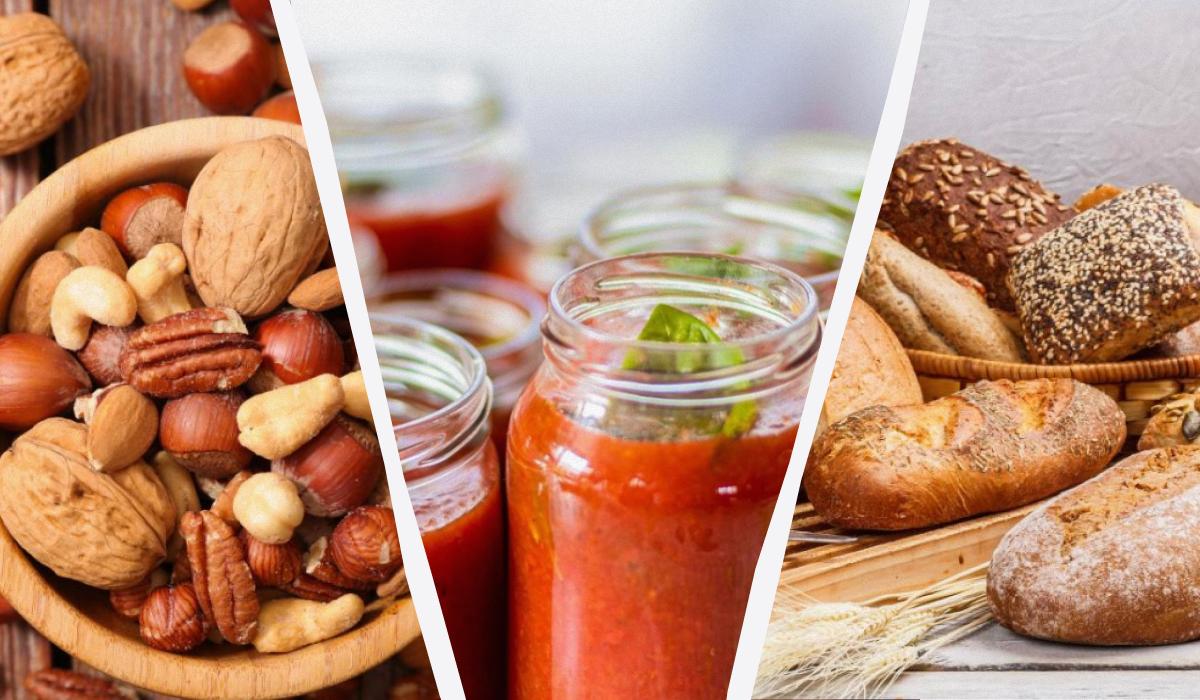
Food storage guidelines published by lifestyle platform marthastewart.com have identified ten everyday food items that should be removed from kitchen pantries to prevent spoilage, flavor degradation, and bacterial growth.
Food safety experts cited in the report stated that while pantries are intended for dry goods that tolerate room temperature, several common staples spoil faster, lose their potency, or attract household pests when left in kitchen cabinets. Reorganizing these items into refrigerators or freezers helps consumers maintain food quality and reduce household food waste.
Martha Stewart is an American lifestyle personality and publisher whose media brand offers guidance on home keeping, culinary practices, and kitchen management. Proper food storage forms a core component of kitchen safety standards, as temperature and humidity levels directly affect how quickly perishable ingredients decompose or harbor pathogens.
Oils, Fats, and Liquid Sweeteners
Nuts and seeds contain high levels of unsaturated fats that rapidly turn rancid when exposed to ambient warmth. Experts advised that nuts and seeds intended for consumption within one to two months may remain in an airtight container inside the pantry. For longer storage lasting up to two years, they should be placed in airtight freezer bags with all excess air squeezed out before being frozen.
Standard cooking oils such as olive, canola, and peanut oil remain stable in a pantry, but delicate oils require cooler conditions. Oils infused with garlic or herbs create an environment where bacteria can multiply if left at room temperature. Nut and seed oils, including walnut, flaxseed, and sesame oil, are prone to rapid spoilage, while delicate truffle oil quickly loses its characteristic aroma and flavor without continuous refrigeration.
Natural maple syrup can develop mold and yeast cultures once the bottle has been opened, requiring immediate refrigeration. Similarly, organic and natural nut butters lack chemical stabilizers, causing their natural oils to separate from the solids over time. Without refrigeration after opening, these natural spreads spoil significantly faster at room temperature.
Condiments and Bakery Items
Opened containers of ketchup, mustard, and mayonnaise must be moved to the refrigerator rather than left on pantry shelves. Although mustard resists spoilage longer than other condiments without cooling, keeping it at room temperature causes it to lose its rich flavor and signature sharpness over time.
Bread is best kept on kitchen counters inside a bread box or bag for short-term use, while extra loaves should be sliced and frozen for long-term storage. Refrigerating bread is discouraged because cold conditions draw out moisture, causing the loaf to go stale faster. Conversely, whole wheat flour contains natural oils within its wheat germ and bran components that easily turn rancid in a pantry. Storing whole wheat flour in an airtight container inside the freezer preserves its freshness.
Tortillas possess a relatively high moisture content that creates a favorable environment for mold growth in warm cabinets. Storing tortillas in the refrigerator keeps them fresh for several weeks. Cured and smoked meats such as pepperoni, salami, chorizo, and prosciutto are frequently sold at room temperature, but they dry out in pantries and become vulnerable to bacterial contamination once opened. Opened packages of cured meats must be kept in the refrigerator.
Non-Food Contaminants and Pantry Maintenance
The guidelines emphasized keeping pantries strictly reserved for food products to eliminate risks from chemicals, pests, and cross-contamination. Pet food emits strong smells that can permeate human food and attract unwanted pests. Kitchen textiles like towels, cloth napkins, and tablecloths can harbor insects. Cleaning supplies and batteries introduce chemical hazards, while even natural cleaning agents release odorous vapors that easily penetrate food packaging.
To maintain pantry efficiency, experts recommended conducting regular inspections to discard expired items, paying close attention to spices, sauces, and canned goods that often sit unnoticed for years. Organizing shelves using a first-in, first-out system, placing older stock at the front and newer items at the back, ensures products nearing their expiration date are used first. Opened items should be transferred to airtight containers to shield food from air, light, heat, foreign odors, and pests.
The report follows earlier guidance identifying eight winter vegetables that store for months without canning when properly dried or aged until their skins harden. Previous expert recommendations also highlighted three specific food items that must always be refrigerated to avoid drastic reductions in shelf life.


