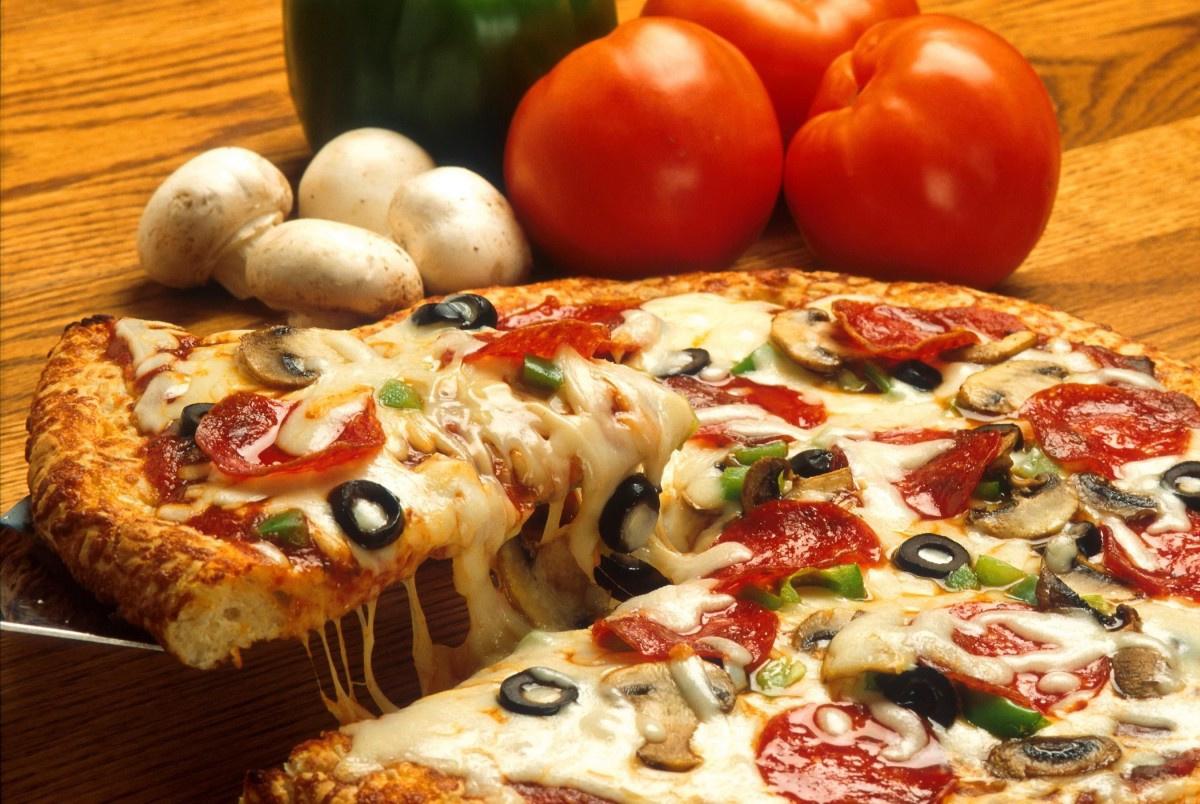
Pizza dough does not need to be kneaded at all, according to French publication Aufeminin, which reports that the real secret to a perfect pizza base lies in the temperature of the water used to make it.
Many home cooks assume that achieving the right texture requires long kneading sessions, an expensive stand mixer or professional flour. Aufeminin says this is not the case. The outlet explains that the trick is to use cold water and let time do the work, arguing that the combination of time and cold is what builds the dough's structure without any physical effort.
Preparation should start the night before, the publication says, and takes only two minutes of active work.
Why water temperature matters
According to Aufeminin, the method requires no kneading because the dough forms itself. As soon as flour meets cold water, proteins in the flour begin forming gluten, while the yeast works slowly in the background, its activity slowed by the low temperature. The method uses ordinary wheat flour, which can absorb around 70% of its weight in water, producing dough that is elastic and airy yet easy to handle.
In practice, flour, salt, yeast and well-chilled water straight from the fridge are mixed in a bowl with a spoon until no dry flour remains visible. The dough will be sticky, and Aufeminin says that is exactly how it should be.
The bowl is then covered and the dough left to mature in the refrigerator for at least 24 hours, and up to 72 hours if preferred. Aufeminin says this long cold rest fully replaces kneading, helping develop flavour, elasticity and the uneven bubbles associated with good pizza crust, all without ever working the dough by hand.
Ingredients
- 500g wheat flour
- 350ml water, well chilled in the fridge
- 10g fine salt
- 2g dried baker's yeast, or 4g fresh yeast
- 1 tablespoon olive oil
Step-by-step method
Aufeminin sets out the preparation in four stages. First, cold water is poured into a bowl, followed by the flour, salt, yeast and oil, then quickly mixed with a spoon.
Second, the bowl is covered and left at room temperature for 10 minutes before going into the refrigerator for 24 to 72 hours. Third, the oven is heated to its maximum temperature, between 250 and 275 degrees Celsius, with an upturned baking tray or a pizza stone placed inside beforehand.
Finally, the dough is divided into balls, gently stretched out, topped, and baked for 7 to 10 minutes, until the crust rises and turns golden.
Storing and freezing the dough
Once rested, the dough can be kept in the refrigerator for up to 72 hours in containers lightly greased with oil, Aufeminin says. The dough balls can also be frozen after their first 24 hours of chilling.
When it is time to make the pizza, the dough should be allowed to warm slowly to room temperature before being stretched according to the result wanted. It can be pulled very thin for a Neapolitan-style base, left slightly thicker, or pressed into an oiled baking tin for a softer, puffier pizza.
Test yourself
According to Aufeminin, what replaces kneading in this pizza dough method?
How long can the dough rest in the refrigerator, at most?
What oven temperature does the method recommend for baking?
Have your say
Would you try a no-knead, cold-rest method for homemade pizza dough?