

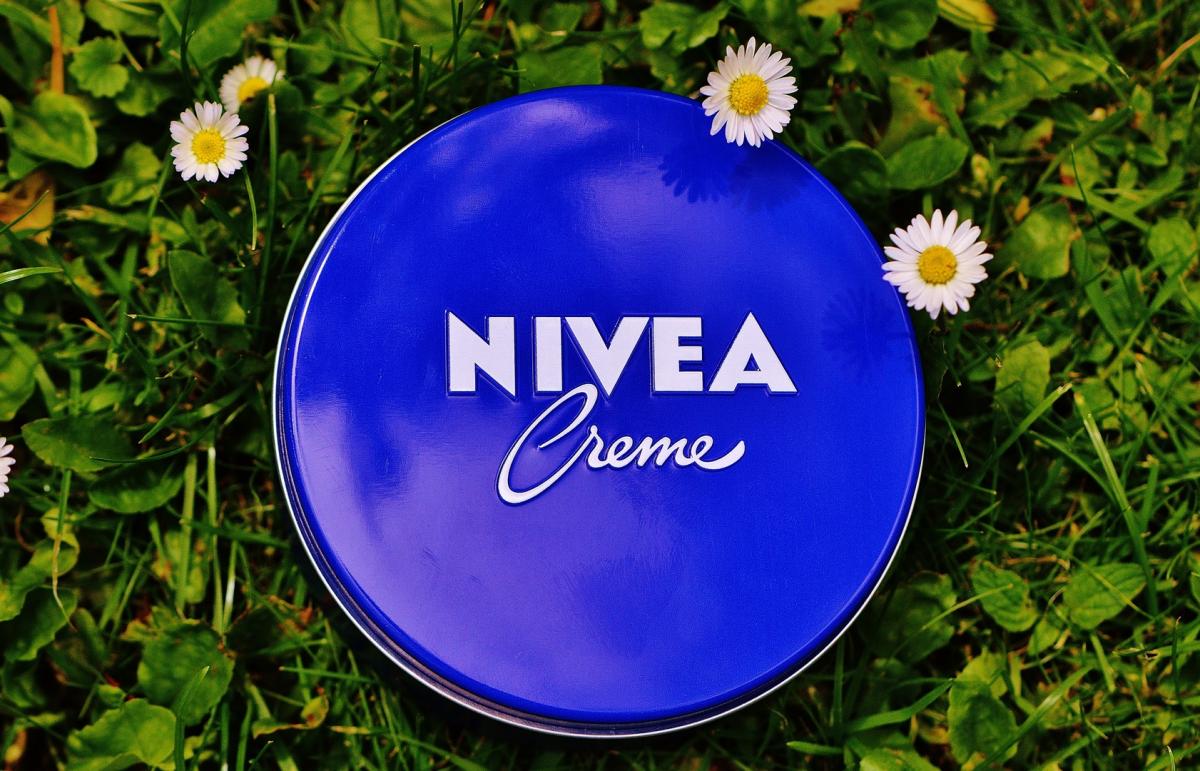
Dermatologist Cristina de Hoyos has clarified the true purpose of classic Nivea cream in the blue tin, warning it is not a universal facial moisturizer. Writing in a report originally published by Kerteszkedj, she explained that the legendary cream functions primarily by creating a thick occlusive layer on top of the skin.
While the product provides rapid comfort for extremely dry skin, its heavy formulation means it is ill-suited for oily, combination, or acne-prone facial areas.
Classic Nivea cream has been a household staple for generations, stored in bathroom cabinets worldwide and used for everything from dry hands to general skin hydration. The product, created by German cosmetics firm Beiersdorf over a century ago, remains widely recognized for its signature packaging.
In dermatological science, occlusive agents create a physical barrier on the outermost layer of the epidermis, known as the stratum corneum. This barrier prevents transepidermal water loss, helping the skin maintain moisture balance in demanding environments.
Key Ingredients and Barrier Protection
De Hoyos detailed how specific components inside classic Nivea contribute to skin softness and moisture retention. The formula relies on a combination of glycerin, paraffin, lanolin, and panthenol, with each ingredient fulfilling a distinct purpose.
De Hoyos explained that glycerin works by retaining water in the upper layer of the skin. Meanwhile, paraffin and lanolin play a larger role in forming a protective physical layer that slows down water loss through the skin surface.
Panthenol is included in cosmetic formulations for its distinct softening and conditioning properties. Chemically related to provitamin B5, panthenol is frequently utilized in dermatological care to soothe skin and improve overall surface texture.
Paraffin is a refined mineral oil derivative long used in dermatological ointments, whereas lanolin is a natural wax derived from sheep wool. Together with glycerin, a humectant that attracts water molecules, they form a dense protective coating on the epidermal surface.
Recommended Uses for Dry Skin
According to De Hoyos, the classic cream is particularly practical when applied to specific dry areas of the body, such as the hands, elbows, and feet. These body parts have fewer oil glands and thicker skin, making them far more receptive to heavy occlusive treatments.
The dermatologist highlighted that the cream is especially useful during the winter months. Cold outdoor air combined with low indoor humidity from central heating frequently intensifies skin dryness across all age groups.
Facial Application and Sensitivity Risks
Despite its widespread use as an all-purpose product, De Hoyos cautioned against treating classic Nivea as a routine facial moisturizer. Its thick texture can prove far too heavy for individuals with oily, combination, or breakout-prone skin types.
Furthermore, added fragrances in the classic formulation can trigger irritation in individuals with sensitive skin. De Hoyos warned that people prone to rosacea, a chronic inflammatory skin condition causing facial redness, should exercise caution and select specialized products designed for their specific needs.
The publication emphasized that even if classic Nivea has worked perfectly for one person over several decades, another individual's skin may react very differently to the exact same formula.
Modern Skincare Comparisons and Myths
Contemporary skincare markets offer numerous targeted treatments engineered for specific skin types and dermatological concerns. Unlike many modern moisturizers, classic Nivea lacks contemporary active ingredients such as ceramides or hyaluronic acid.
Ceramides are essential lipids naturally present in the skin barrier that help maintain structural integrity, while hyaluronic acid is a powerful humectant capable of binding significant amounts of water within skin tissue.
As noted in the material, the absence of these ingredients does not render Nivea ineffective. The product simply operates on a different mechanism, deriving its chief value from creating a protective barrier that seals existing moisture within the skin.
Addressing common beauty claims, De Hoyos clarified that classic Nivea should not be viewed as a specialized treatment for anti-aging or cosmetic repair. Over the years, popular home remedies have claimed the cream fights wrinkles, stretch marks, scars, or hyperpigmentation.
De Hoyos stated that Nivea does not treat wrinkles, age spots, scars, or stretch marks, nor can it replace daily sunscreen. Standard daytime skin protection still requires a dedicated broad-spectrum sun care product to shield against ultraviolet radiation.
Choosing the Right Product for Your Needs
The classic cream in the blue tin remains a practical tool for softening rough patches on hands, feet, and elbows, particularly in cold weather. Having existed for over 100 years, the iconic formula remains relevant as long as consumers do not treat it as a universal miracle cure for every skin concern.
The report concluded that effective skincare relies on selecting products that directly correspond to an individual's specific skin type and current biological needs.
In a related report, news agency UNIAN previously highlighted dietary habits that support facial skin health, noting that green tea offers notable benefits. Green tea is rich in plant compounds known as catechins, which possess potent antioxidant and anti-inflammatory properties. Studies demonstrate that catechins assist in maintaining skin health by reducing oxidative stress and inflammation.


